


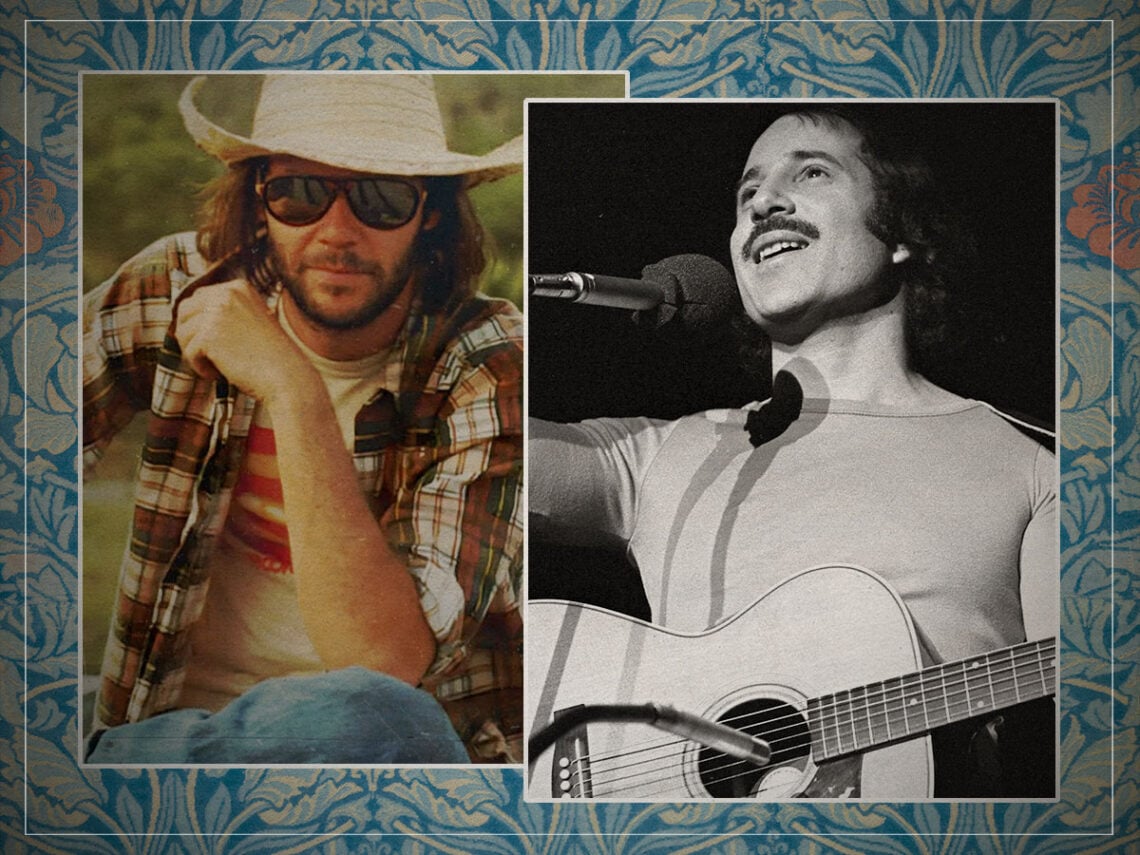
How an “incredible” Neil Young kept improving, according to Paul Simon

Any musician has those moments where they’ve felt that they have said everything they needed to say.
Not everyone has the kind of musical stamina in them to last for decades at a time, but Paul Simon was one of the few who understood why music was a calling rather than something you have to give up in your twilight years.
Even as far back as projects like Graceland, Simon knew that he wanted to keep innovating and make the kind of songs that challenged his perception of music. He knew that he wasn’t going to be a songwriter on the same level as Bob Dylan by any stretch, so the next best thing would be to start working with new people and see what kind of music he could make with more exotic rhythms behind him. And even into his later years, Simon seemed to keep a fairly compact discography as well.
While there are some records he has made in the modern age that tend to feel a bit more sleepy, none of them are what most would call bad. He still has a firm grasp on melody, but he was in it for the long haul anyway, and he was happy to see that many of the greatest songwriters of his generation had the same idea.
After all, Dylan has been reinventing himself ever since he started, and whether people were there for Highway 61 Revisited, Time Out of Mind, or Rough and Rowdy Ways, they were bound to get a different version of the musical poet every time he played. But even if someone like Neil Young has a more spotty track record compared to his peers, you can’t fault him for taking chances every time he goes into the studio.
Some records of his might not be for everybody like Everybody’s Rockin’ or Trans, but Simon only saw a composer who was constantly challenging himself the same way he did. So when he started earning some more respect for his later albums like Freedom and Harvest Moon, Simon knew that there was still hope for his generation to be recognised as some of the finest writers on the planet.
Anyone could have asked for another version of After the Gold Rush, but Simon knew Young was on the right track by playing what he felt, saying, “He had a big burst a couple of years ago with that beautiful album he made that was a giant hit, Harvest Moon – incredible piece of work! Those guys aren’t getting any worse. They’re good. It’s that expectation: ‘Why don’t you go away?’ the culture says to everybody. We have plenty of other choices, so you go away.”
That’s even if you ignore some of the other brilliant artists on the comeback trail in the 1990s. Johnny Cash had already turned his career around when working with Rick Rubin on his final records, and while he had Tom Petty and the Heartbreakers working with him on some of those albums, Petty was also going through his own creative resurgence when albums like Wildflowers started tearing up the charts.
Because as much as the label is concerned with the new kids in town that want to take over the world, not all of them grasp the impossible thought that maybe a songwriter that has been woodshedding for years at a time might actually be pretty good at it. Anyone can be in the right place at the right time jumping on trends, but Paul Simon and Neil Young have always prided themselves on writing genuine tunes, and any listener can tell the difference between the sincere and the dishonest within a few lines.
