


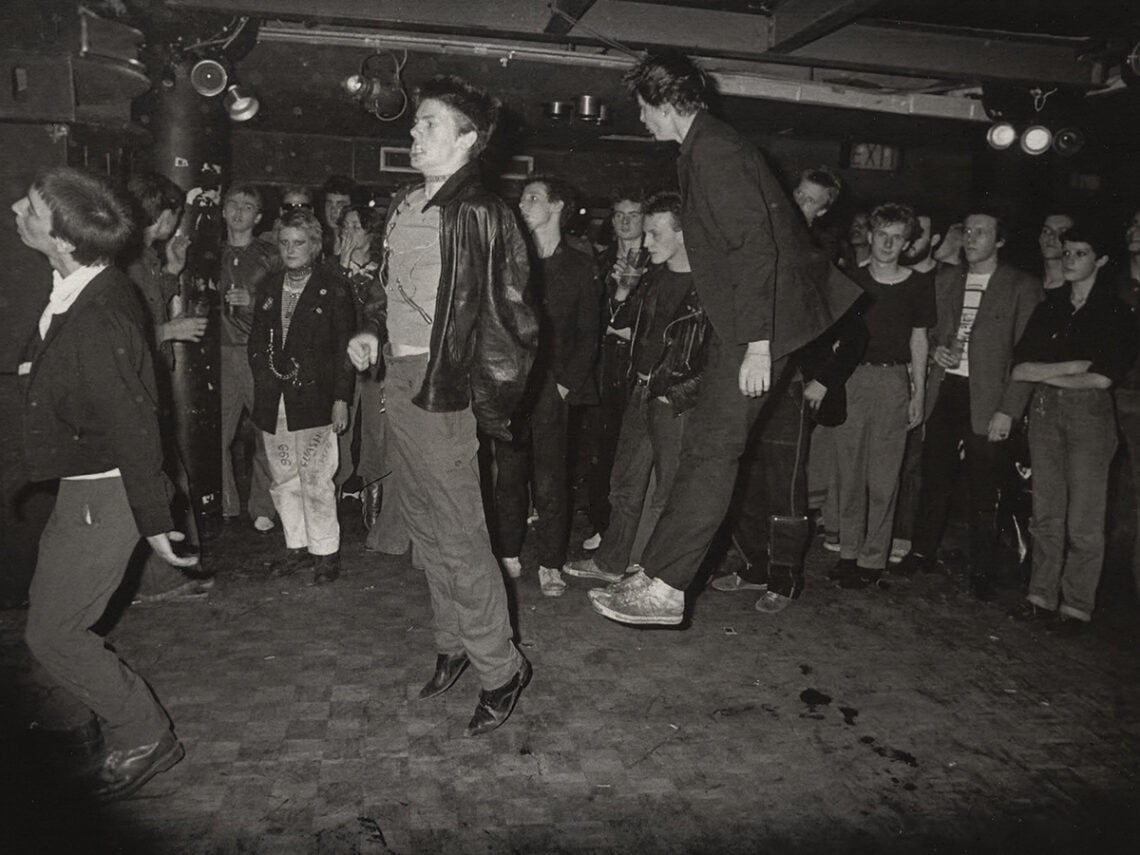
“There wasn’t shit to do except grow old and die”: How Akron, Ohio became America’s unlikely punk epicentre

There aren’t many corners of the globe where the rebellious streak of punk rock hasn’t taken root since its 1970s heyday, yet the majority of attention is usually pinned to New York’s CBGBs scene, the hardcore boom of Washington DC, or London and The Roxy Club. Nevertheless, some of the greatest heroes of the punk age hailed from the unlikely surroundings of Akron, Ohio.
A small industrial city in the Northeast of Ohio, Akron isn’t noted for much other than its rubber manufacturing, which has kept car tyre businesses in the city for decades. In terms of music and art, the city is scarcely worth a footnote in comparison to places like New York or even the comparatively close Cleveland. Probably as a result of that obscurity, though, Akron has produced an impressive wealth of iconic musicians, from Lux Interior to The Black Keys.
Back in the 1970s, when punk was steadily emerging from the underground airwaves of the East Coast, Akron became an unlikely haven for musical experimenters looking to embrace that revolutionary sound. One such group was the Rubber City Rebels, who, along with the Bizarros, helped to establish this rather niche Akron punk scene.
Rather than seeing their location as a limiting factor, though, the Rebels celebrated their industrial origins in any way they could, simply for the fact that the lack of other opportunities in the city pushed them towards the world of musical expression. “We lived/survived in Northeast Ohio, and the weather always sucked, and there wasn’t shit to do except grow old and die,” Rebels guitarist Buzz Clic once told Toppermost.
On the other end of the spectrum, punk-slanted devolution experts Devo moved to Akron, Ohio, specifically for its anonymity and industrial backdrop. Having forged the origins of the group while studying at Kent State in the early 1970s, the experimental, industrial electronica of the band didn’t seem to fit neatly into any specific music scene, which made them the perfect group for Akron, given its total lack of an established music scene.
During an interview with Far Out last year, Mark Mothersbaugh reflected on the essential influence of Akron, declaring, “I think it gave us a lot of time to marinate in a cultural wasteland. We were, like, marooned on an island, and we were doing things without being influenced by other people.”
Whereas a band in the epicentre of the CBGB scene might be taking their cues from the likes of Television or The Ramones, Devo emerged from Akron fully-formed and totally original.
Of course, not every musical hero of Akron, Ohio, stayed rooted in the city forever. Lux Interior, the legendary frontman and psychobilly progenitor at the heart of The Cramps, was born in Akron back in the 1940s, but although it wasn’t until his move to New York that the group started gaining traction, their weird and wonderful sound certainly owed something to his Ohio origins.
Similarly, both the Rubber City Rebels, Devo, and new wave outfit The Waitresses all found their core audience upon visiting New York and performing at clubs like CBGBs, thus bringing the unlikely sound of Akron to the masses. Although there didn’t seem to be any way for a band to make it big without leaving the Rubber City, it nevertheless seemed to produce a wealth of music talent in the shadows of its smokestacks.

Never Miss A Beat
The Far Out Punk Newsletter
All the latest Punk content from the independent voice of culture.
Straight to your inbox.