


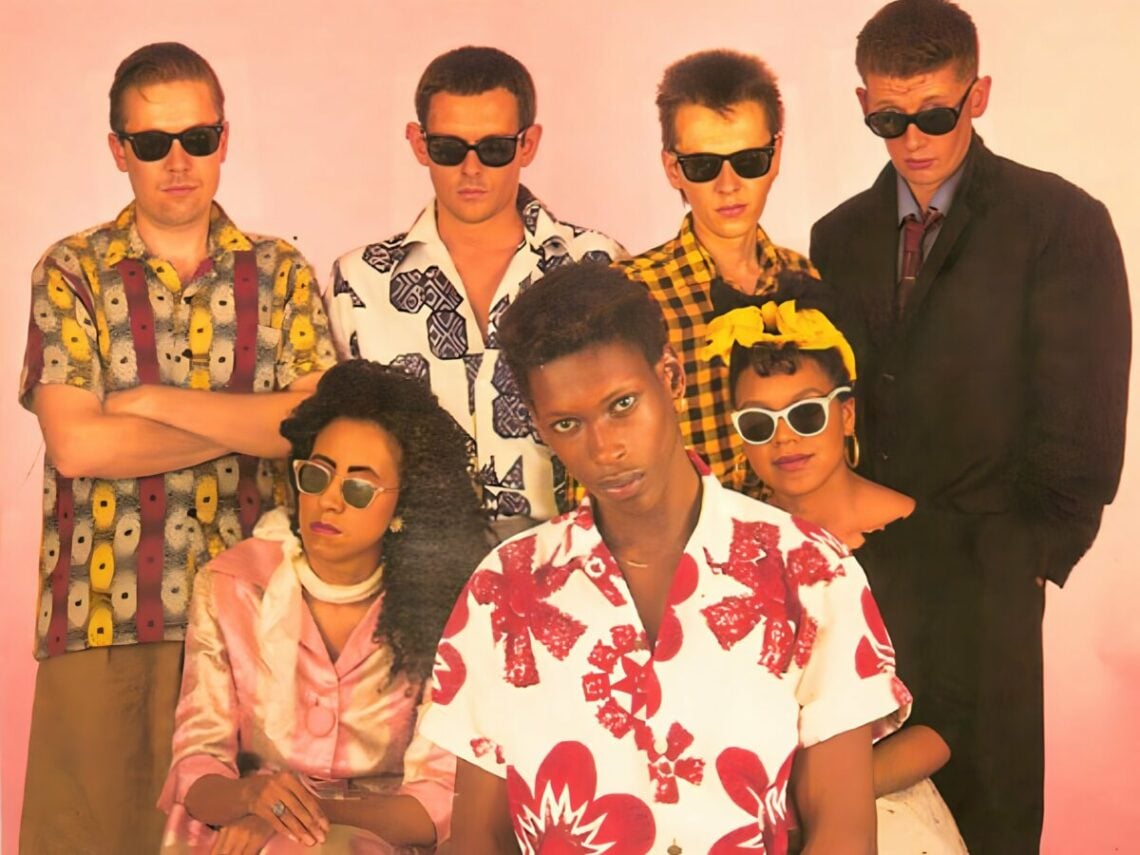
How a single by Rhoda Dakar and The Specials challenged the English justice system

Calling The Specials a ska band is a little like calling Radiohead a Britpop band.
Sure, they came around at the same time period the movement was a mainstream concern, and sure, they have a few surface-level similarities to those bands. However, the sheer discrepancy between what The Specials were achieving compared to, say, Madness dwarfs even what Radiohead were achieving compared to, like, Kula Shakur. The Specials were a band too creative, too daring and, if you’ll forgive the pun, too special to be hemmed in by any scene.
Honestly, there are countless tracks you could point out to show this off. This band were writing about class privilege, 20th-century aimlessness and the dark side of youth culture decades before it was popular. They turned a sparse, haunting song about urban decay into a number one single and one of the most enduring, beloved songs of the 1980s in the form of ‘Ghost Town’. Then, somehow, they followed that iconic single up with something even darker and even more radical.
Inspired by the punk scene of the late 1970s, Nicky Summers put together The Bodysnatchers in 1979, an all-female seven-piece ska band that picked up a record deal with 2 Tone Records after a handful of gigs. Since their live set at that point was entirely made up of ska and reggae covers, the band began writing material of their own, with their first completed song being (quite remarkably enough) the harrowing spoken word number ‘The Boiler’.
Over a genuinely unsettling carnival house of horrors style backing, the kind that The Specials had ridden to the top of the charts on ‘Ghost Town‘, singer Rhoda Dakar told us a tale of torment. One of a depressed, down-on-her-luck young woman with low self-esteem, with the title coming from the word she uses to put herself down with at the end of every verse. She gets pressured into going on a date with an older man, bullied into going home with him before he attempts to force himself on her.
How did The Specials perform this song?
With such an unforgettably affecting track, The Bodysnatchers offered it as the band’s first single, with The Specials’ keyboardist and songwriter Jerry Dammers signing on to produce the record. Unfortunately, 2 Tone was put off by the record’s subject matter and insisted that the band release the more commercial ‘Let’s Do Rock Steady’ instead. The Bodysnatchers wouldn’t last much longer after this, splitting up in 1981.
Dakar, who had already guested on The Specials’ 1980 album More Specials, ended up joining Dammers’ band full-time after going on tour with them. After integrating herself into the band, she asked if they’d be interested in performing ‘The Boiler’ as part of their setlist. Seeing how well the song went down live, Dakar got permission from her old Bodysnatchers bandmates to record the song with The Specials, the single version being released in 1982.
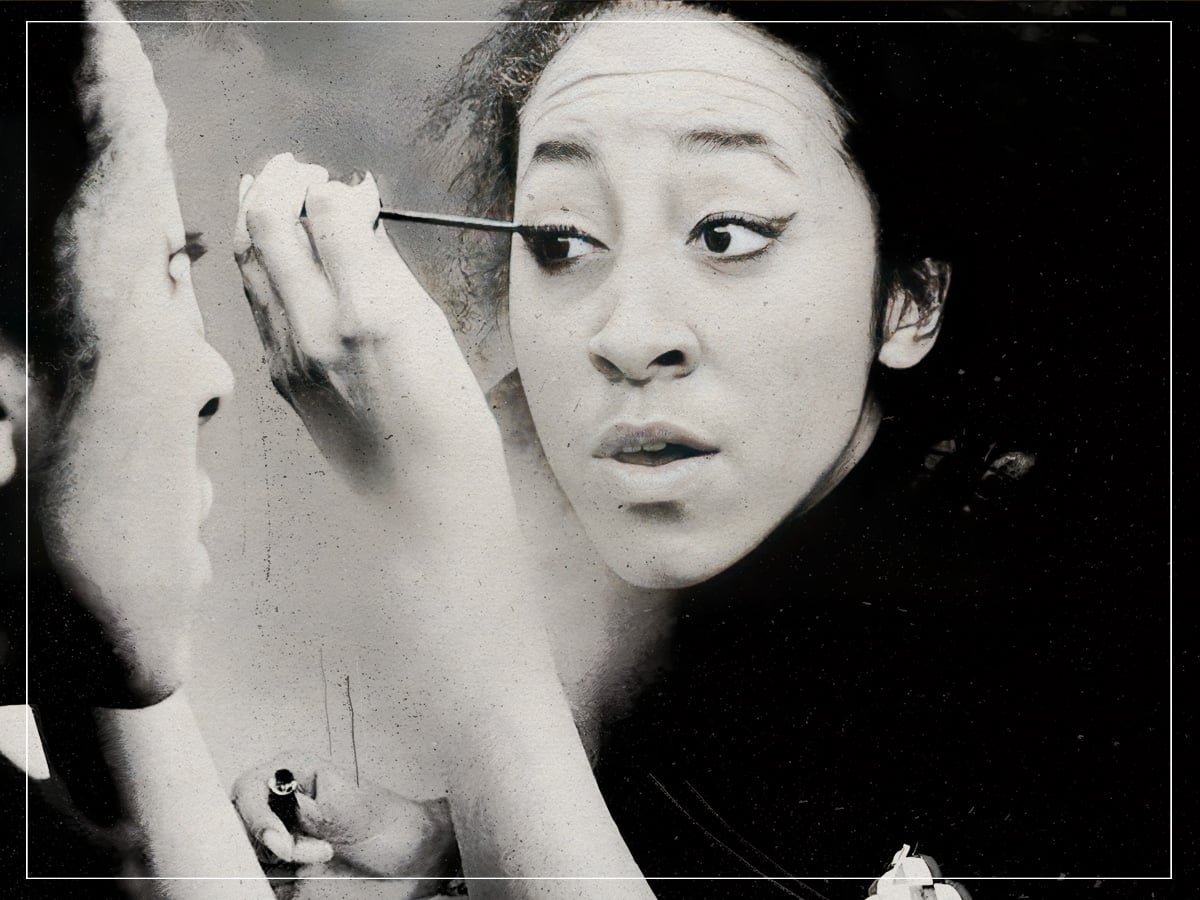
The single, credited to Rhoda with The Special AKA, wasn’t a hit. It spent a week at number 35, so it did break the top 40, but only just. However, considering how many things went against the band, that’s a small miracle. First off, The Specials were in the process of splitting up when the single was released. Core members of the group, like Horace Panter, Neville Staple and Terry Hall, weren’t on the record because they’d left the band in a huff, leading to the remaining members carrying on with the altered name mentioned above.
However, that was all small fry compared to the pushback from the industry. At the time, one of the biggest stories in the UK was that of John Allen, who was convicted of raping a teenage hitchhiker. In court, Allen pleaded not guilty, which caused the survivor, watching on from the gallery, to break down in tears in the court. This act caused him to change his plea to guilty, which saw the judge sentence him to a meagre £2000 fine.
In a shocking, but far from surprising full stop on the case, the judge who sentenced Allen took care to mention how the survivor in question was “guilty of a great deal of “contributory negligence”. This was on January 5th, 1982. ‘The Boiler’ was released six days later. Before the sentence, the single had been playlisted by Radio 1. Afterwards, it was dropped. Coincidence? I think we all know the answer to that.
In an interview with the NME later that month, Rhoda said that the song hadn’t been written or released to comment on the case, just that its release was “uncannily timed”. I think it simply says more about The Specials and their commitment to making challenging, uncompromising music, the kind that holds an unflattering mirror up to the world it was created in, intentional or otherwise.
