


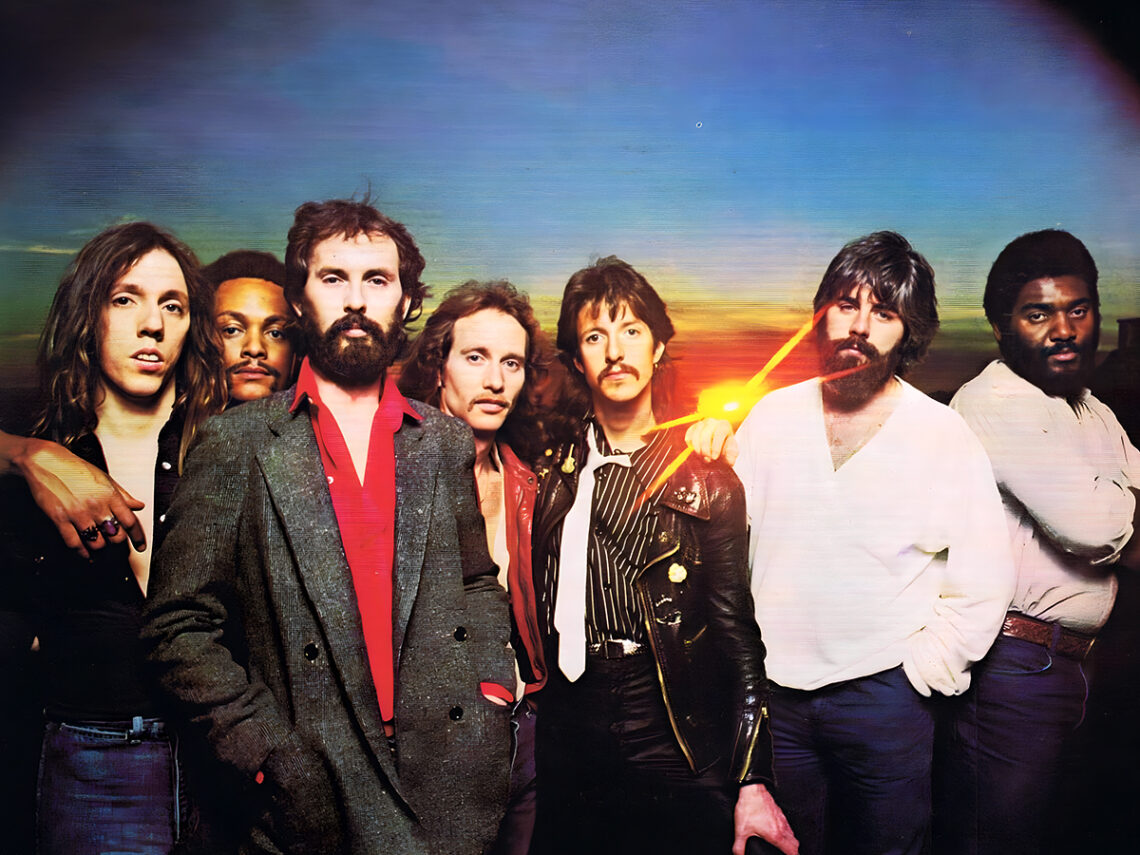
How a Doobie Brothers classic took a year to hit number one: “We’ve been playing it ever since”

If you go into writing a song with the idea of it being a hit, then it’s most likely not going to become one. No matter what the corporate overlords of major record labels might think, there is no secret recipe for devising a chart-topping song, because audiences respond to nuance. Those nuggets of feeling can’t be created in the hyper-manufactured environments of bubblegum pop.
Yacht rock legends The Doobie Brothers weren’t exactly the rebellious antidote to that world, but they weren’t exactly hellbent on writing chart-topping pop hits. Like most bands in that ironically named genre, they were tightly focused on making songs that made them feel good. Combining soft sock sensibilities with jazz, it was all about having a good time through the music and extending an invite to fans through the simple idea of performative enjoyment.
An idea epitomised no better than in their standout hit, ‘What a Fool Believes’, which dances around an infectious piano melody and a harmonic vocal hook that’s hard to shake off. While that song went on to bag ‘Song of the Year’ at the 1980 Grammys, it wasn’t their standalone hit.
Their swampier rock song ‘Black Water’ surprisingly backed up the success of ‘What a Fool Believes’, despite its more pensive sonic profile that felt inherently removed from the patterns of radio plays. Something the band were acutely aware of and so relegated its release to a mere B-side for the song ‘Another Park, Another Sunday’. Regardless, the song went on to achieve a cult level of success, outside of the band’s design.
Tom Johnston explained, “That’s a story that could have happened back then, but never would ever ever happen now: Roanoke, Virginia picked that tune up and started playing it in heavy rotation, and somebody in Minneapolis who I guess knew somebody in Roanoke heard the song and decided to follow suit, and it ended up becoming our first number one single. That was Pat’s first single. And oddly enough, it was never looked at as a single by the record company.”
It was a deeper cut whose lyrics were inspired by Mark Twain’s books, Huckleberry Finn and Tom Sawyer, telling stories of life’s transient nature through the rolling Mississippi River as a metaphor. It indulged the creative appetites of the band and worried less about its critical reception, hence its release as a B-side. But the unexpected success may have had them rethinking their live show in particular, which is where they were when they heard of the song’s growing popularity.
Johnston continued, “I remember when I first heard it was number one, we were in Baton Rouge, Louisiana, and we were just getting ready to go on stage, and then I guess Bruce [Cohn, their manager] must have told us. I think we were already aware of the fact that it was getting airplay, but nobody was really paying a lot of attention. And then, all of a sudden, it became number one, and we were paying attention. I remember I went in and congratulated Pat backstage, and we’ve been playing it ever since.”
