



How a council house in Sheffield launched a legion of Britain’s best bands

Sheffield has always had its own flavour of sexiness, but not the lacquered, cinematic kind, mind you.
It’s difficult to pin down, so here’s a simple test instead: between the option to sip champagne with George Clooney or sink a pint with Sean Bean, if you instinctively choose the latter, you already understand Sheffield’s appeal.
And no band understands this better than Pulp. On their sprawling 1993 epic ‘Sheffield: Sex City’, Jarvis Cocker begins by reciting a roll call of Sheffield suburbs in the most absurdly seductive voice imaginable before declaring, “This city is a woman, bigger than any other, sophisticated lady, I wanna be your lover (not your brother, not your mother, yeah)”.
What follows isn’t a fantasy of fast cars or five-star hotels, but a lusty trek through Sheffield city centre in search of his lover, interrupted by overpriced tram fares, cigarette breaks and scorching hot pavements, leading him to groan, “I kept thinking of you and almost walking into lamp-posts”.
The joke, of course, is that poor, post-industrial Sheffield was no “sex city” at all. But that’s precisely the irony Pulp built the song around, which is that the city’s greatest talent has always been finding the extraordinary in the ordinary. And before Pulp were even fruit growing on a tree, in the 1970s, car mechanic Ken Patten shared that instinct: where most people saw his ordinary council house, he saw Studio Electrophonique.
From the outside, Studio Electrophonique looked like every other house on the estate, but inside, synthesisers filled the living room, an electronic drum kit occupied the master bedroom and a homemade vocoder, built from surplus RAF microphones and cardboard toilet-roll tubes, sat in the extension; it was less Abbey Road and more Blue Peter, but somehow it became one of the most important unofficial recording spaces in British music that helped launch acts including The Human League, Heaven 17, ABC and Pulp.
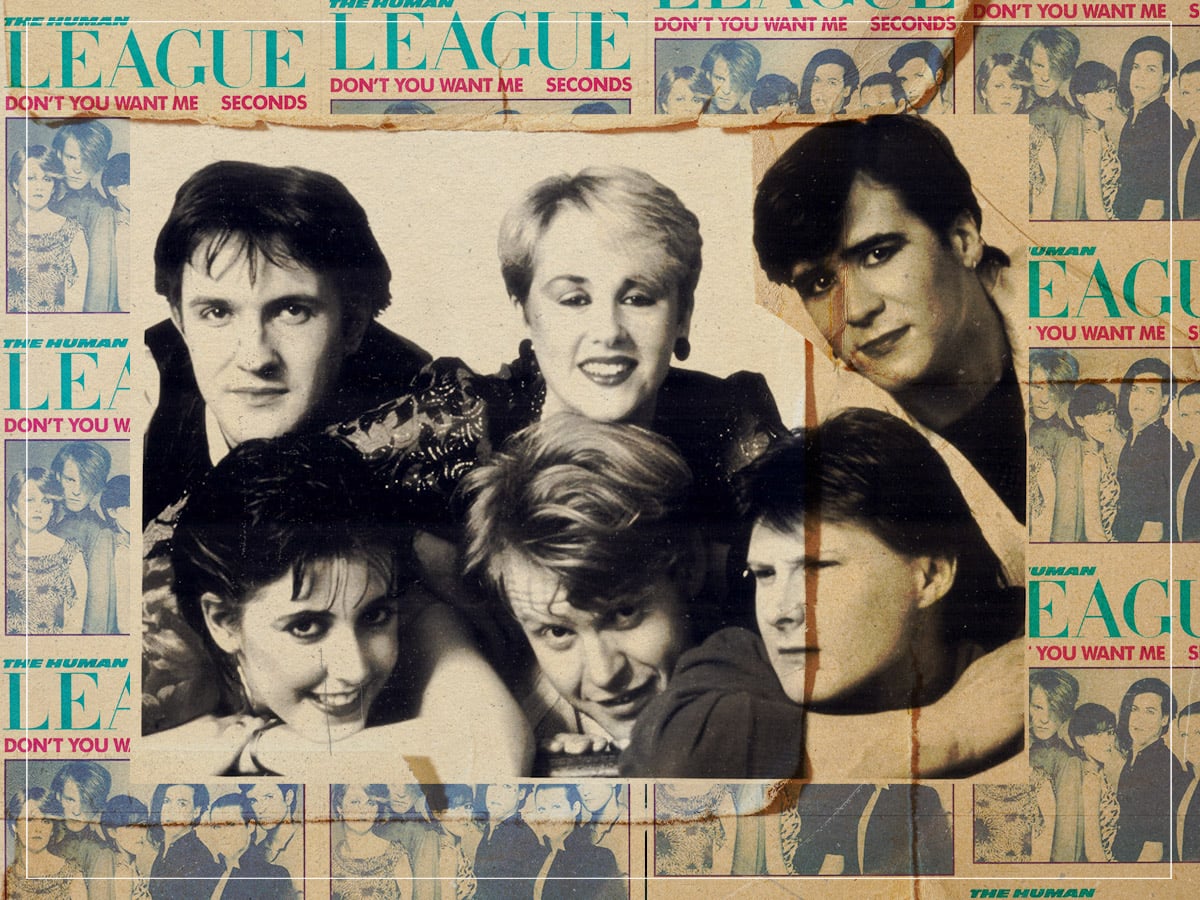
“It was totally chintz and had enormous sofas with flower patterns, a typical middle-class Sheffield suburban house with a big thick pile carpet,” Martyn Ware recalled to the BBC in 2022, “Really comfy and lovely, with a little conservatory at one end.”
Ware would later co-found The Human League and Heaven 17, but in 1977, he first arrived at Patten’s front door with his band The Future after placing an advert in the local paper looking for somewhere to record. They weren’t alone, as over the following years, Patten’s front room became one of the most important unofficial recording spaces in Britain.
Jarvis Cocker was fascinated by Patten’s homemade CCTV system, rigged up so musicians downstairs could keep an eye on the drummer recording in the bedroom upstairs, and it was there that Pulp recorded an early demo in 1981, which Cocker later handed directly to BBC Radio 1 tastemaker John Peel; the resulting Peel Session arrived before the band had even secured a record deal.
Elsewhere in the house, Vice Versa also cut early recordings before reinventing themselves as ABC. Future chart stars rubbed shoulders with folk musicians, Hawaiian guitar ensembles, political singer-songwriters and anyone else willing to hand over £15 for a session. Patten’s wife tolerated this constant stream of aspiring musicians, but they had to remove their shoes before coming inside, they weren’t allowed to use the upstairs bathroom, and, according to Cocker, a sheet of polythene was laid across the bed to protect the eiderdown from visiting bands.
“We got to the end of the first day, and we were really hitting our stride,” Martyn Wayre of The Human League recalled, “It got to about six o’clock, and Mrs Patten came in and said, ‘Ken, your dinner’s on the table’. He said, ‘Oh, I’m sorry, lads, we’re going to have to stop now’.”
And there, perhaps, is the essence of Sheffield’s particular kind of charm: a mechanic turned hobbyist producer shooing out The Human League because tea was ready.
