


‘A Lizard in a Woman’s Skin’: The gory horror movie that sent its filmmakers to court

The horror genre started to pick up speed in the 1960s due to the easing of censorship in Hollywood, allowing more gore and violence to seep into scary movies. Before then, horror films often concentrated on fantasy creatures, such as vampires and monsters, but as the decades progressed, many directors shifted their attention away from the supernatural.
Instead, horror movies from the ‘60s onwards often focused on real-life horrors, such as crazed serial killers, typically wearing terrifying masks. Alfred Hitchcock’s Psycho was a turning point, with its depiction of sexuality and semi-graphic violence helping to develop the horror genre.
However, we can thank Italian horror for helping to significantly aid the progression of the genre into something more artful, graphic and influential. Italian giallo films emerged in the ‘60s from directors like Mario Bava and Lucio Fulci, incorporating murder mysteries with incredibly stylish cinematography, set design and lighting, allusions to the sexploitation genre, and often a masked or gloved killer. Subsequently, these movies became a major source of inspiration for the imminent slasher genre.
The giallo genre continued into the 1970s, with prominent films emerging from Dario Argento, such as The Bird With the Crystal Plumage and Deep Red. Meanwhile, Bava and Fulci continued creating giallos, making these three directors the holy trinity of the genre.
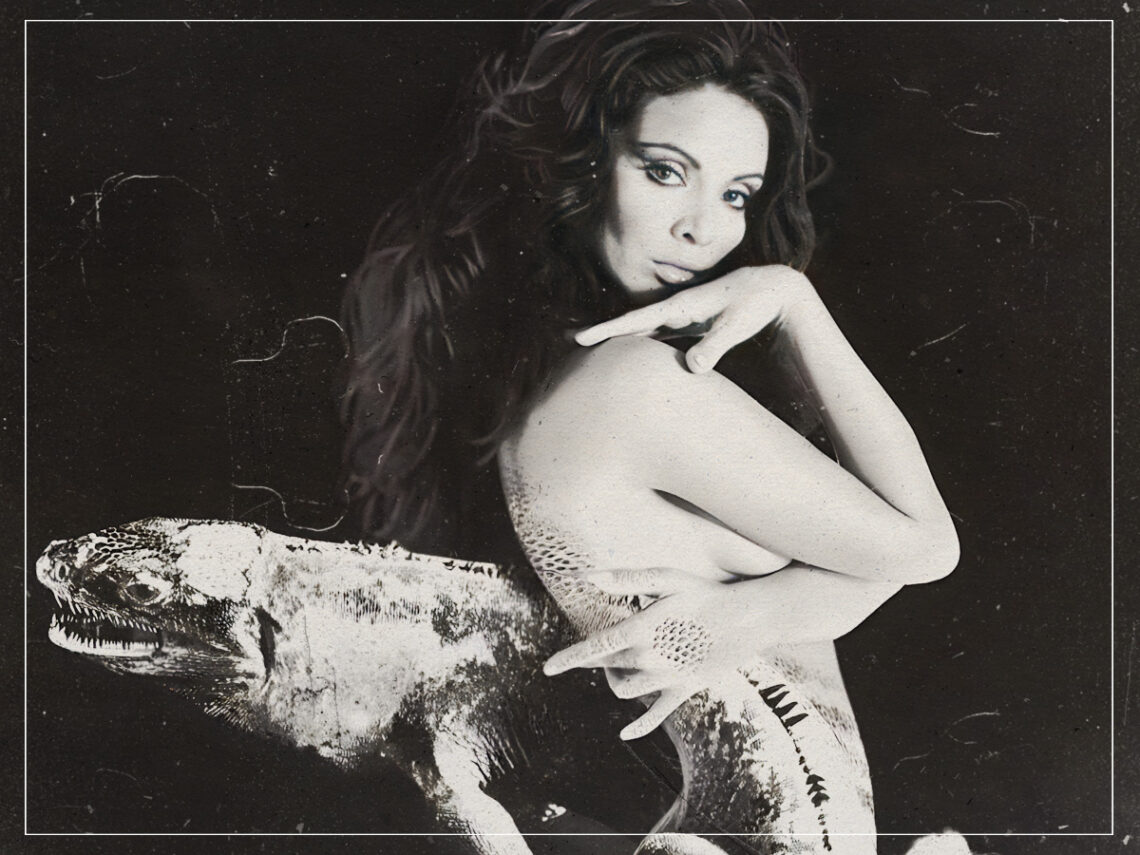
Fulci released A Lizard in a Woman’s Skin in 1971, one of the director’s most stylish and iconic works. Florinda Bolkan stars as the lead character, Carol, who retreats to a world of sex, violence and drugs in her sleep. Yet, when a real-life murder occurs nearby, her life becomes increasingly complicated.
The movie is one of the most visually stunning giallos out there, with bright reds or lurid blue lighting colouring the screen. A Lizard in a Woman’s Skin features a staple of the genre – artificial-looking, paint-like blood – which makes murder scenes much less stomach-turning than realistic blood.
However, that didn’t stop the filmmakers from being taken to court because of certain gory scenes. Instead, they were questioned on the grounds of animal abuse due to several scenes of dogs with their insides on display. The animals appeared to be alive while being experimented on by the characters, which angered many viewers who believed Fulci and his crew had used real canines.
Luckily, they were all fake, although the courtroom was forced to see these gruesome-looking props in real life when they were brought in as evidence. Thus, the crew got off lightly, although viewers of his classic film might still find themselves looking away at these scenes due to their graphic and realistic nature.
