


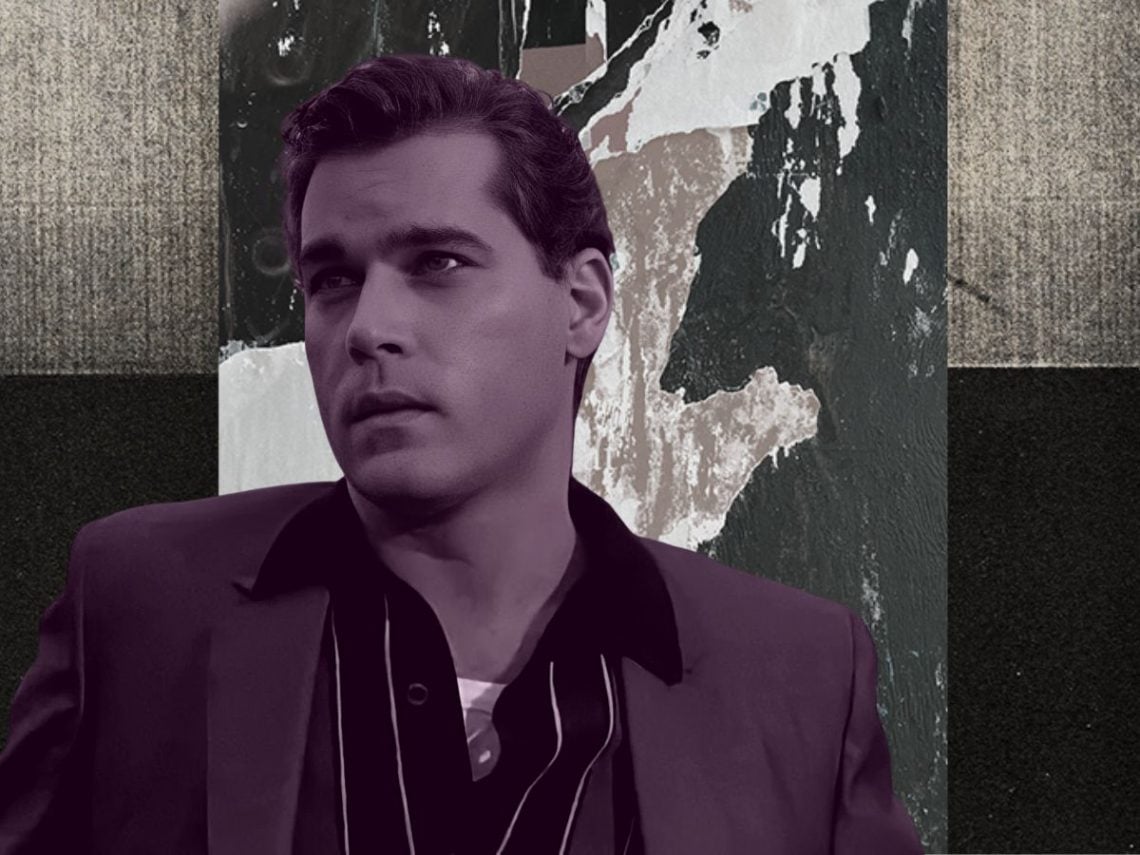
Henry Hill: Martin Scorsese’s real-life mobster in ‘Goodfellas’

One of the most beloved gangster films of all time is undoubtedly Martin Scorsese’s 1990 picture Goodfellas. The film starred Scorsese’s frequent collaborators Robert De Niro and Joe Pesci in supporting roles. However, it was little-known actor Ray Liotta, fresh off the back of his turn in Field of Dreams, who took on the lead role of Henry Hill.
But what of Hill; who exactly is he? The film opens in 1955 when Hill is a young boy. Immediately, he is taken in by the way of life of the Mafia that is occurring in the shadows in his predominantly Italian-American neighbourhood in Brooklyn, New York. Eventually, young Hill becomes embroiled in the shady dealing of the mob when he starts working for Jimmy Conway (De Niro) and Tommy DeVito (Pesci).
Hill works his way up the ranks, abandoning his childhood innocence. Throughout the 1960s, Hill takes on more serious tasks for the mob, galivanting at the Copacabana nightclub, and he eventually marries Karen Friedman, who is taken by his glamorous lifestyle.
However, the 1970s begins to spell trouble for Hill, and he begins to doubt his involvement in criminal activities. By this point, though, he is arguably too far along to ever get out. The second half of the 20th century saw the mob using illegal drugs as a means of income, but for Hill, this spelt the beginning of the end.
He even has his wife smuggle drugs into prison whilst he serves a sentence. Upon his release in 1978, Hill doesn’t hesitate his expanding his cocaine empire and takes part in a massive heist at the Lufthansa vault at the John F. Kennedy Airport, organised by Jimmy Conway, stealing six million dollars. However, Hill’s drug use has spiralled out of control, and he experiences profound paranoia that a number of figures within the mob want to kill him.
This culminates in 1980 when Henry can’t stand the paranoia anymore and decides to become an informant to the FBI and enrols on the witness protection program. Paulie and Jimmy are convicted, while Hill moves to a non-descript neighbourhood under a different identity. The film ends with a title card explaining that Hill had been arrested in 1987 in Seattle but had been cleaned and was still living under the witness protection program.
Concerning Hill’s characteristics within the film, we are afforded the opportunity to see how he lost himself within the Italian-American criminal underworld. We first come across Hill as a young and mostly innocent kid. However, he is resistant to voices of authority, which is most likely why he would rather run errands for the mob than attend school.
As Hill grows, we see him develop from having a mere interest in crime to growing in confidence and taking things into his own hand. However, it is perhaps because of his introduction to both Jimmy and Tommy that he is able to take on his roles with an unbridled sense of focus.
Throughout Hill’s adult life, there is a constant sense that perhaps his life could have been different had he not become involved with the duo at a young age. He is somewhat sickened by the violence that Tommy and Jimmy display and begins to doubt his involvement. Hill’s guilt over playing a hand in a number of deaths is arguably what leads to his excessive drug use, so he can cope with the consequences of his heinous crimes.
The most interesting thing about Scorsese’s character is that he was based on a real person. Hill was indeed part of the Lucchese crime family in New York City, and most of the film’s content is accurate, including the Lufthansa heist, his informing testimony and his enrolment on the witness protection program.
Scorsese based his film on a true crime book by Nicholas Pileggi called Wiseguy: Life in a Mafia Family, which focuses on Hill’s life as a mobster. So Ray Liotta’s character was someone who was drawn to the glamour that life in the Mafia could provide but whose penchant for drugs, crime and violence ultimately led to his downfall.
