


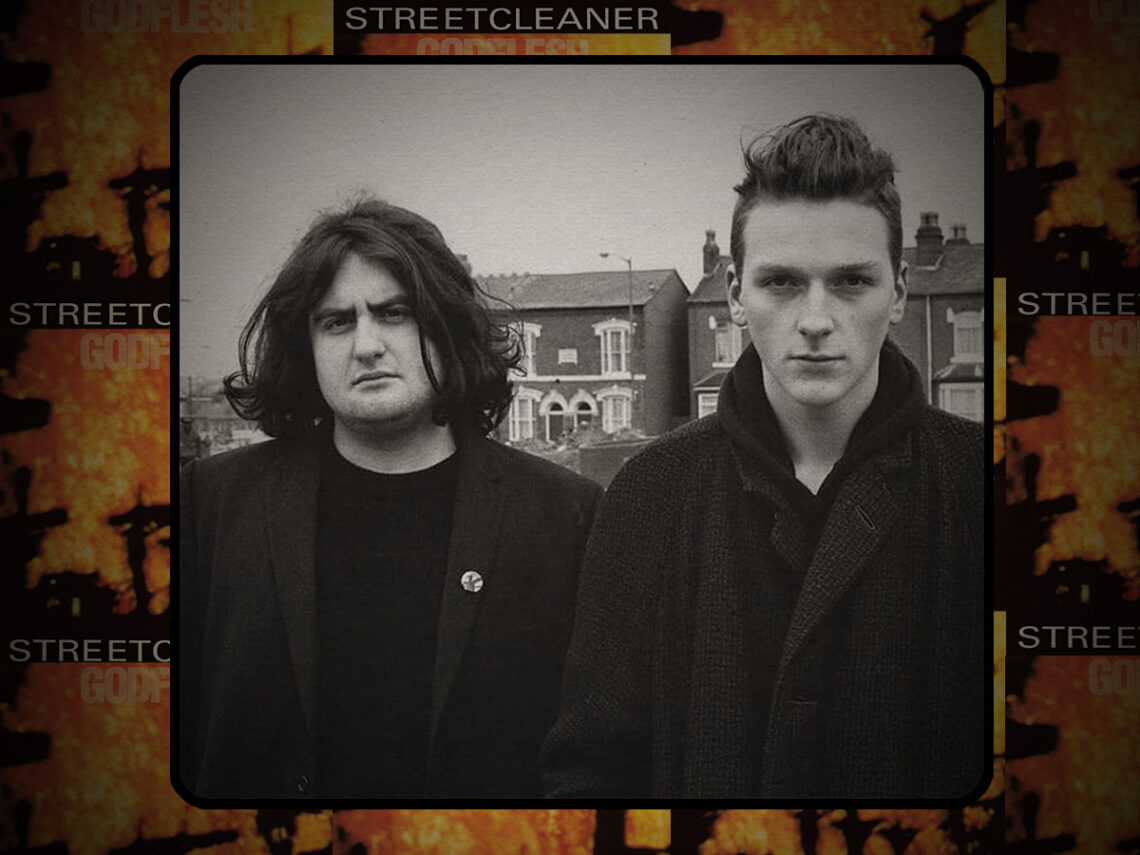
“Unbelievably crushing”: the heavy legacy of Godflesh’s searing industrial debut

To the lament of heavy metal fans around the world, Justin K Broadrick announced that his industrial project Godflesh was finally winding down to a definitive close.
Sharing a picture of himself recovering in a hospital bed on Instagram on March 4th, it was revealed that a “significant open abdominal surgery” for a hernia meant cessation of all strenuous performance and shouting, lest his abdominal wall collapse. Naturally, such a commitment to his health has forced the Godflesh journey to a close.
He’s been busy since first unleashing Godflesh in the 1980s, either lending a hand or the brains behind a myriad of orbiting side-projects, including the hard techno moniker JK Flesh and Jesu’s leaden, ambient engulf. But all Broadrick’s subsequent creative ventures feel like the sparks and molten spits of Streetcleaner’s essential 1989 burnish, a searingly colossal debut that fundamentally marked Broadrick’s creative trajectory for the next 35-odd years and established Godflesh as one of the unrivalled conjurers of metal at its most swelteringly heavy.
Birmingham boasts a proud metal heritage. The former manufacturing powerhouse and “Workshop of the World” that once stood proud in the UK’s West Midlands was gripped in the throes of deindustrialisation when four working-class lads from the Aston suburbs decided to pick up some instruments to pioneer a heavier interpretation of blues rock in the late 1960s. The ennui and economic decline that pervaded the city during Black Sabbath’s formation had only grown worse into the next decade. As the 1980s arrived, deeper industrial collapse blighted the area, and unemployment continued to gnaw.
It’s this bleak climate that a teenage Broadrick was wandering in. Just as Sabbath saw music as an escape, so too did Broadrick, already well versed in the extreme ends of punk and the avant-garde via his punk commune parents’ record collection, listening to Whitehouse, Throbbing Gristle, and even Lou Reed’s screeching Metal Machine Music while his school peers were spinning Duran Duran. Lo-fi tapes of primitive synth experiments would align with a string of bruising punk bands, including an early member of grindcore stalwarts Napalm Death, credited on their debut Scum’s first side.
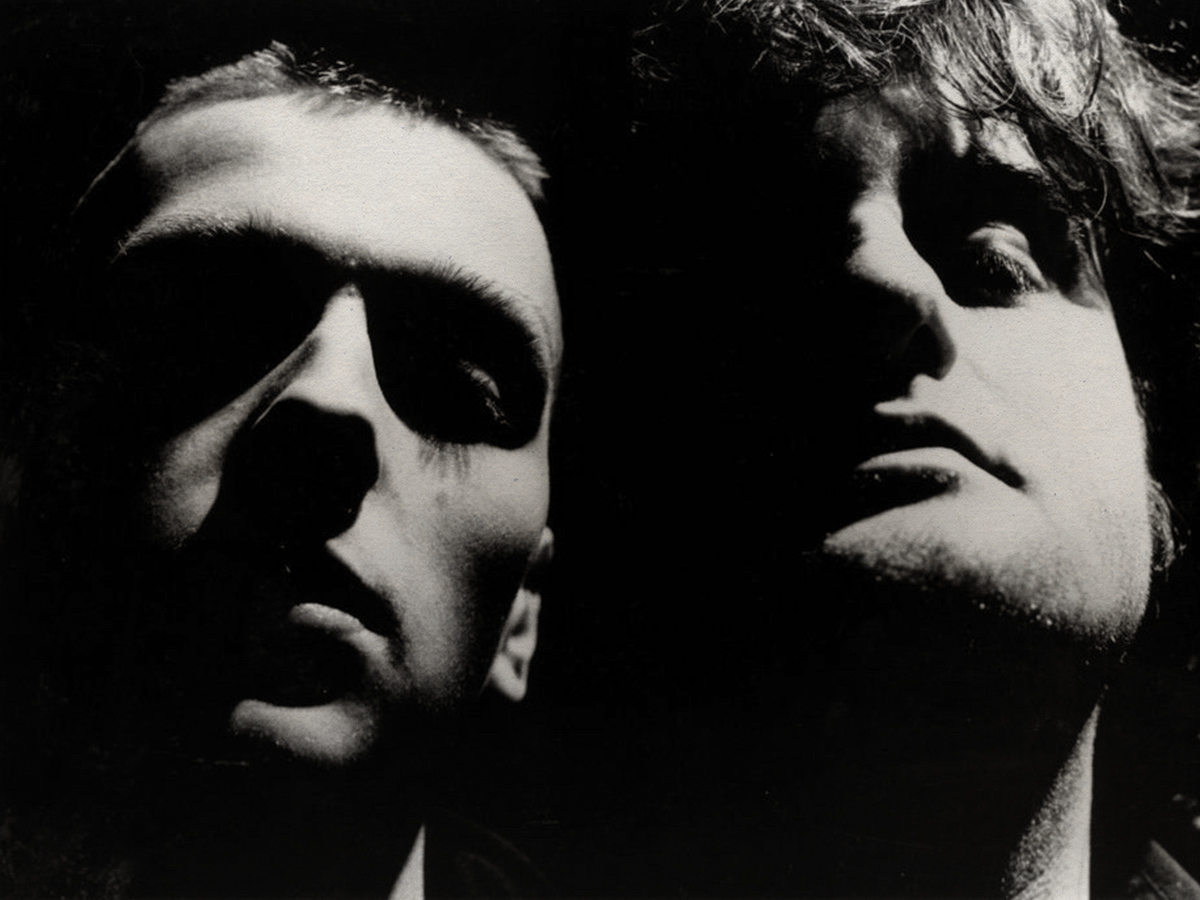
However, a chance encounter with Aphex Twin’s underground club classic ‘Digeridoo’ and the sampling punch scoring the emerging new-school hip-hop pointed Broadrick to just where he wanted to take his fascination with heavy pummelling and electronic scrape. Recruiting old Fall of Because bandmate and bassist BC Green, the addition of an Alesis HR-16 drum machine would weld a dark and smoggy rock shroud befitting his bleak lyrical worldview.
“There is a pure nihilism in there,” Broadrick told EarPollution in 2002.
“Totally anti-everything. I couldn’t come to terms with anything. It was all a struggle, and I just wanted to lash out at every target I possibly could.”
Justin K Broadrick
Such snarling seethe would potently charge 1988’s self-titled EP, but it was the following year’s Streetcleaner where such desolate swallow would be conjured so viscerally. No solos, no showboating shreds, just gargantuan, cavernous slabs of rusty metal hammering away with unremitting mercilessness, save the brief moments of disquieting, ambient snarl that creeps in to each of Streetcleaner’s ten bruising cuts. Lost in the aural swirl is Broadrick’s anguished howl, desecrated underneath layers of discordant vocal effects.
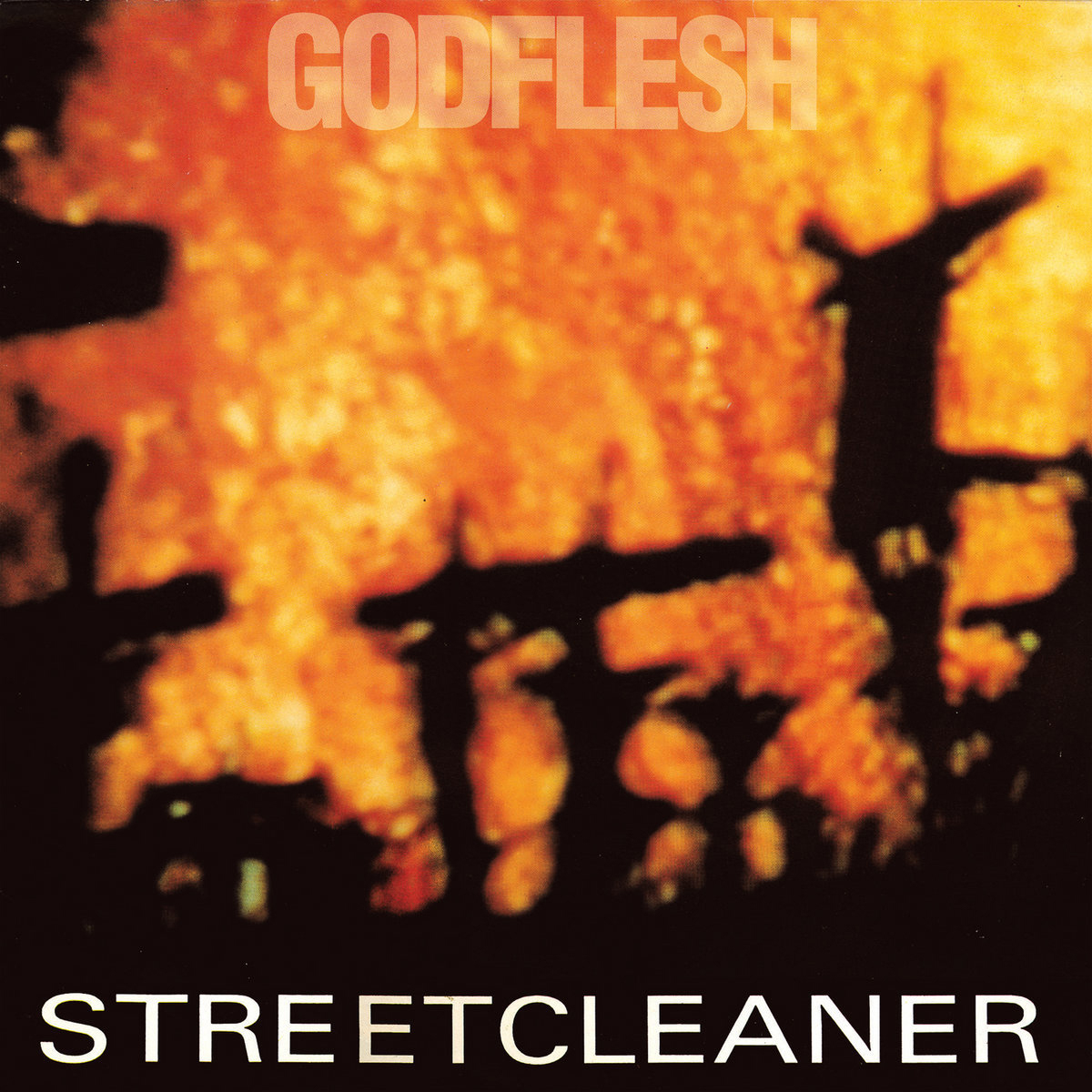
The star of the show is Godflesh’s trusty drum machine. Helped by Green’s thick and bowel-churning bass grooves, the industrial precision plumbs new depths of mechanised fury, from ‘Like Rats’ thunderous charge to ‘Dream Long Dead’s hellish piston pulse, Godflesh manage to wield the Alesis HR-16 with an inventive savagery, coaxing an infectious beat amid the programmed turmoil. There’s something almost mystical about Streetcleaner. Helped by its surrealist snap of hallucinogenic sci-fi Altered States on its crucifixion inferno cover, a mighty and evocative power lurks at the album’s centre that beckons more than just mindless head-banging, but unveils a scorched, ruined realm of introspective weight, carved by Birmingham’s sooty hands and Broadrick’s private turmoil.
Released in November 1989, Streetcleaner blew everyone in the metal world’s head clean off. Suddenly, Godflesh found themselves namechecked by Faith No More, Broadrick sought by Danzig to join his live band, and Metallica’s Kirk Hammett supposedly stated that Godflesh was one of his favourite bands and that their sound was “unbelievably crushing”. While flattered, Godflesh never chased greater fame, eager to stay rooted in their UK home country and keep their artistry as creative and vital as possible.
In that Instagram post, Broadrick revealed that one final studio Godflesh album is in the works, their 10th LP offering Decay out this summer. While the duo’s final bow is bittersweet, and the alternative world still has the volume of other creative ventures to look forward to, Godflesh can confidently call it a day, knowing that few in metal have excavated such a primal, arresting, fireball of apocalyptic upheaval as Streetcleaner wrenched from the black ether nearly four decades ago.
