


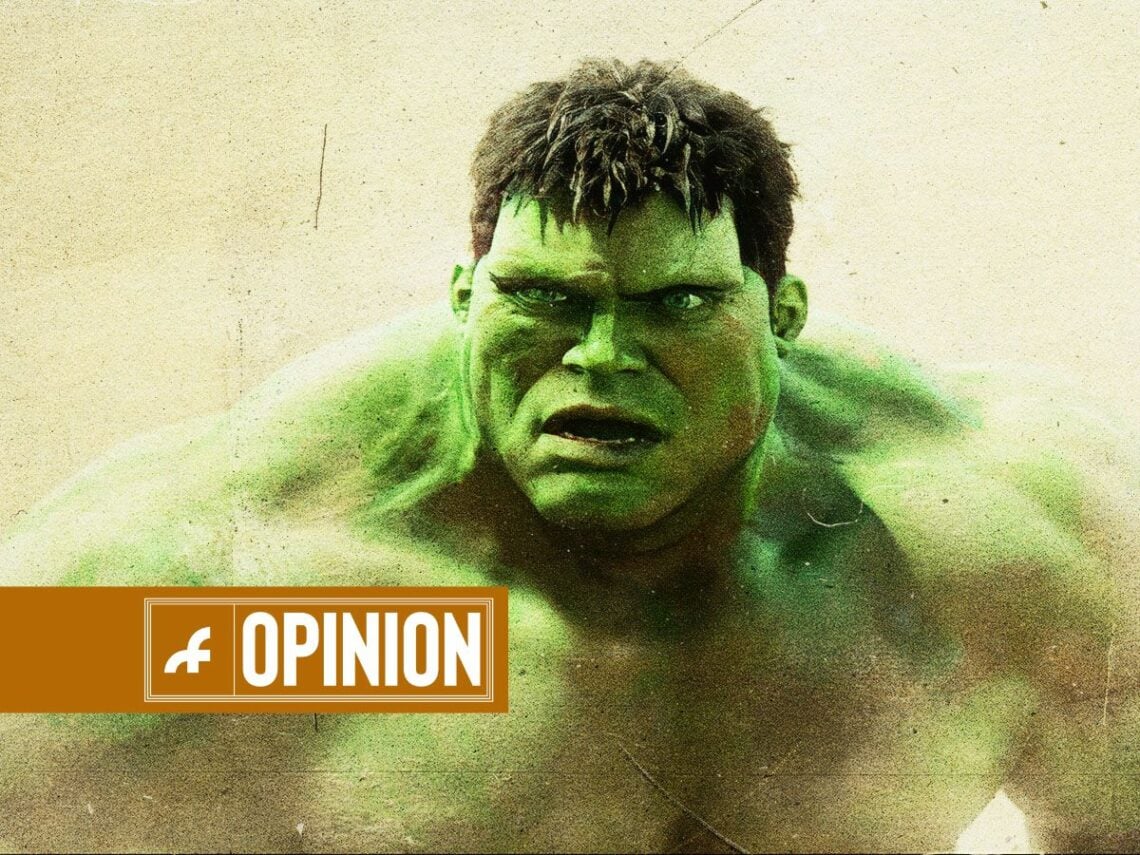
Hear Me Out: Ang Lee’s ‘Hulk’ is actually a complex masterpiece

When Ang Lee released Hulk in 2003, the director was wading into unknown waters. Previous superhero outings were propped up by costume, production design and stars. The several Batman films throughout the 1980s and 1990s revelled in their outlandish sets and colourful villains, and whether it was Keaton, Clooney or Kilmer, you knew it was them despite the cape and the cowl.
The Superman films were the same. Sam Raimi’s Spider-Man, which came out only a year before Hulk and probably hit theatres whilst Lee was knee-deep into production, was slightly different – Peter Parker was covered head to toe in the webbed suit at least half the time, but then again, he was constantly making his distinct quips, and we could hear his voice the whole time.
But the Crouching Tiger, Hidden Dragon director was about to tackle a movie that would show The Incredible Hulk in all his green glory entirely through CGI. To make matters even more complicated, he would barely speak, instead grunting and roaring like the previous live-action versions. Lee was effectively committing to a film where, for more than half the run-time, the main character was a speechless animation.
The character of ‘The Incredible Hulk’ had been avoided by studios and directors since 1990, with the release of The Death of the Incredible Hulk. They did so wisely because this live-action film was the conclusion to the much-derided 1970s show that starred Bill Bixby as Dr. Banner and Lou Ferrigno as the Hulk. This straight-to-television movie more or less cemented the idea that The Incredible Hulk was a schlocky brand, best left to gather dust as filmmakers and audiences emerged into a new and more enlightened century.
But after multiple directors came and went, and dozens of screenplays were drafted by a handful of writers, Universal Studios had a project they were happy to green-light, and they had Lee lined up for director. The result was a relatively modest commercial success, turning a $108million profit, but critically, the results were lukewarm. But here’s the thing: in comparison to the absolute onslaught of superhero films that have accelerated their way into our theatres and our TV screens, Hulk was actually a very deep and complex masterpiece.
What makes the film so special is Lee and writer James Schamus’ commitment to the human element of the story. Bruce Banner (played excellently by one of Australia’s most talented actors, Eric Bana) is plagued by internal conflict from the very start before he even gets the life-changing dose of gamma radiation. His psyche is embedded with trauma instilled from his abusive father, meaning that, rather than causing the Hulk like in previous and future versions, the laboratory accident simply unlocks the deep-seated rage and violence within.
This dedication to the drama of the story, the Greek tragedy of it all, yields some of the most interesting, unnerving and intoxicating moments of superhero cinema. Lee subjects the audiences to abstract flashbacks, sensory and fleeting yet deeply affecting moments from Bruce’s childhood that allude to the psychological and physical damage inflicted upon him. These are interspersed with strobing, hallucinogenic imagery of atomic explosions, both a literal explanation for Bruce’s inherent immunity to radiation (in that he grew up near a nuclear testing site) and as a metaphorical depiction of his incendiary and apocalyptic anger.
Lee also makes the smart move to incorporate the very visual language of comic books, using multiple split screens, captions and freeze-frames. Rather than seeming like a gimmick, it elevates the fractured sense of the narrative and contributes to an overall powerful sense that the story is happening now, affecting multiple people at the same time across the world, a rapidly unfolding and wide-reaching drama that can’t be contained by one single measly frame.
Lee also doesn’t shy away from the CGI and action set-pieces, giving them as much love and treating them with as much care as he does the human side of the story. Taking cues from King Kong – another great example of a ‘monster’ movie that balances spectacle with heart-wrenching pathos – the director animates the movement of Hulk much like the giant ape; each jump or swing feels purposeful, belonging to a creature of sentience. He also brings in elements of his own Taiwanese heritage, orchestrating sequences involving mutant dogs and fighter jet missiles with all the finesse and sense of ballet that he brought to Crouching Tiger.
Particularly within the Marvel fandom, the movie is poorly regarded. When the 2008 reboot, The Incredible Hulk, hit theatre screens and technically launched the MCU along with Iron Man the same year, it was heralded as a true comic-book adaptation and, save for a very few, considered by many critics as far superior to the 2003 movie. Which, looking back now, was a sentiment that paved the way to the staggering, undefeatable monster that is Marvel’s Cinematic Universe, a creature infinitely more daunting and powerful than the green gamma-man.
With every year that’s gone by and every title added to the Marvel canon, the true marketing-driven nature of the franchise has become more and more important. No films are just films; they are set-ups for sequels and spin-offs, instalments in a much wider picture of cameos and crossovers that will sell more seats, more toys and more merchandise. But Lee’s Hulk movie represents a time before all of this. It symbolises a moment in cinema history where millions of dollars could be handed to a director working with an established IP, and they could be left to their own devices to make something weird, unique and complicated. In this case: a masterpiece.
