


How ‘Harry Potter’ became an unlikely influence on Robert Eggers’ ‘Nosferatu’

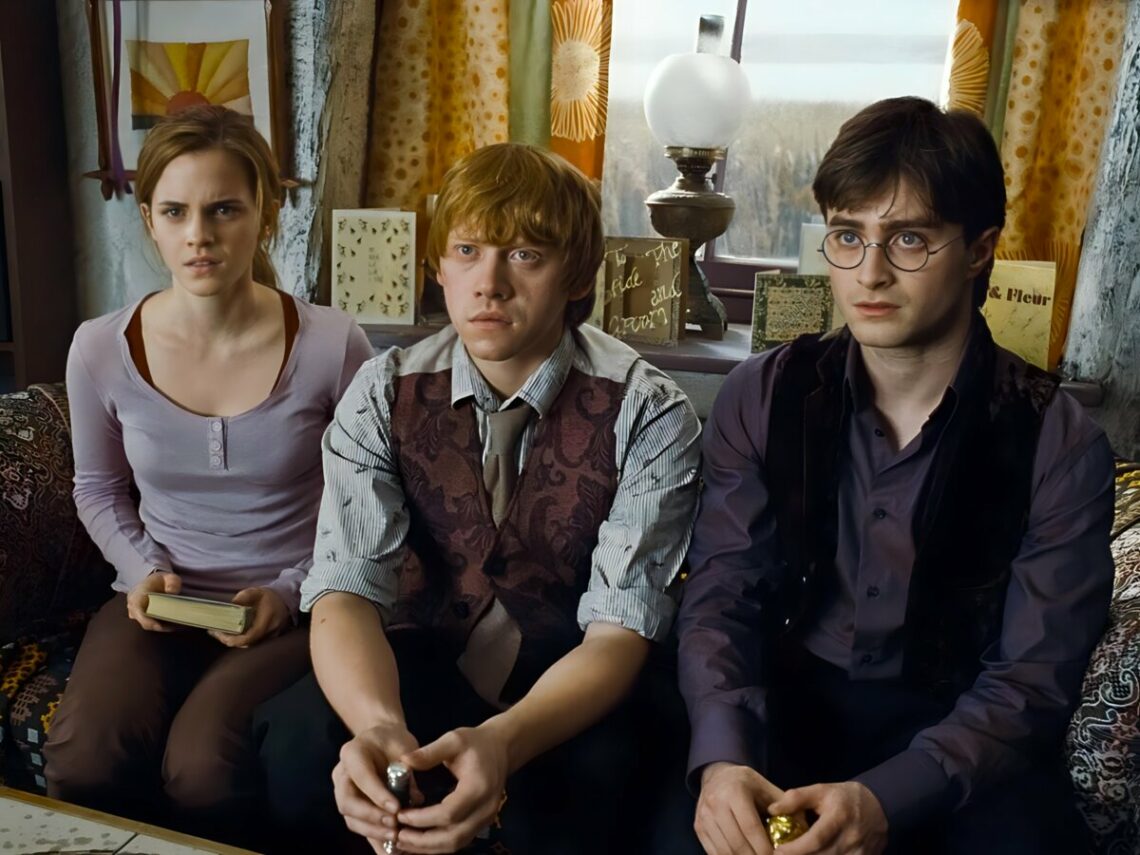
The eight ‘Harry Potter’ films are amongst the most beloved franchise movies to have been released over the last quarter of a century. From The Philosopher’s Stone to The Deathly Hallows – Part 2, moviegoers followed the eponymous boy wizard on his journey through Hogwarts, learning spells, making friends, and occasionally battling the magical version of Hitler. It made stars out of Daniel Radcliffe, Emma Watson, and Rupert Grint, and gave established actors some of their most memorable roles, like Michael Gambon as Albus Dumbledore and Alan Rickman as Severus Snape.
Even though the final film came out in 2011, the series is still influencing culture today. A new TV show based on the stories is in the works and the ‘Fantastic Beasts’ spin-offs have churned out three movies of varying quality. ‘Harry Potter’ was also an unlikely influence on a major horror release – Robert Eggers’ 2024 retelling of Nosferatu.
The most recent interpretation of FW Murnau’s 1922 silent classic, the film stars Bill Skarsgård as the imposing Count Orlok and features gripping performances from Lily-Rose Depp, Nicholas Hoult, and Willem Dafoe. One of the producers on the project was Chris Columbus, best known for directing Home Alone, Mrs. Doubtfire, and the first two ‘Harry Potters’.
Columbus was at the helm for The Philosopher’s Stone and The Chamber of Secrets, the two most kid-friendly films in the franchise. The series took a much more adult turn when Alfonso Cuarón took over for The Prisoner of Azkaban. Despite his reputation as a family-oriented filmmaker, the Pennsylvania native has been involved with a number of decidedly un-PG projects through his company Maiden Voyage, including Eggers’ first two films, The Witch and The Lighthouse. Despite Nosferatu being about as far away from the Wizarding World as humanly possible, the two universes are linked through Columbus’ previous work.
He recalled a scene from The Philosopher’s Stone involving a plant called Devil’s Snare. He requested some additional CGI for the sequence, but the higher-ups shot his idea down. “One of the executives said to me, ‘Well, it doesn’t matter if that scene is not as good as the other scenes in the film,’” Columbus told The Independent. “So I told myself that I’m never going to say that if I’m producing for someone else. This is probably going to be the death knell for Maiden Voyage as a company, but our philosophy is we never say no to the director. I’m not kidding. And that attitude of ours has been very successful in helping Rob [Eggers] realise his vision [for Nosferatu].”
Eggers must have been thrilled when he heard this, considering he’s also made it clear that he doesn’t bow to studio pressure. Nosferatu was a real passion project for the auteur, who had been wanting to remake the movie for years. He has been able to put his own stamp on the well-trodden story, filling his version with gorgeous wide shots and creeping dread, but he never strays too far outside the lines, maintaining a nice balance between gothic campiness and genuine terror.
Nosferatu has been a big hit, both commercially and critically. From a $50million budget, it has so far grossed around $138million, making it Eggers’ most financially successful film to date. Turns out Columbus’ decision to trust Eggers wholeheartedly was the right call to make.
