


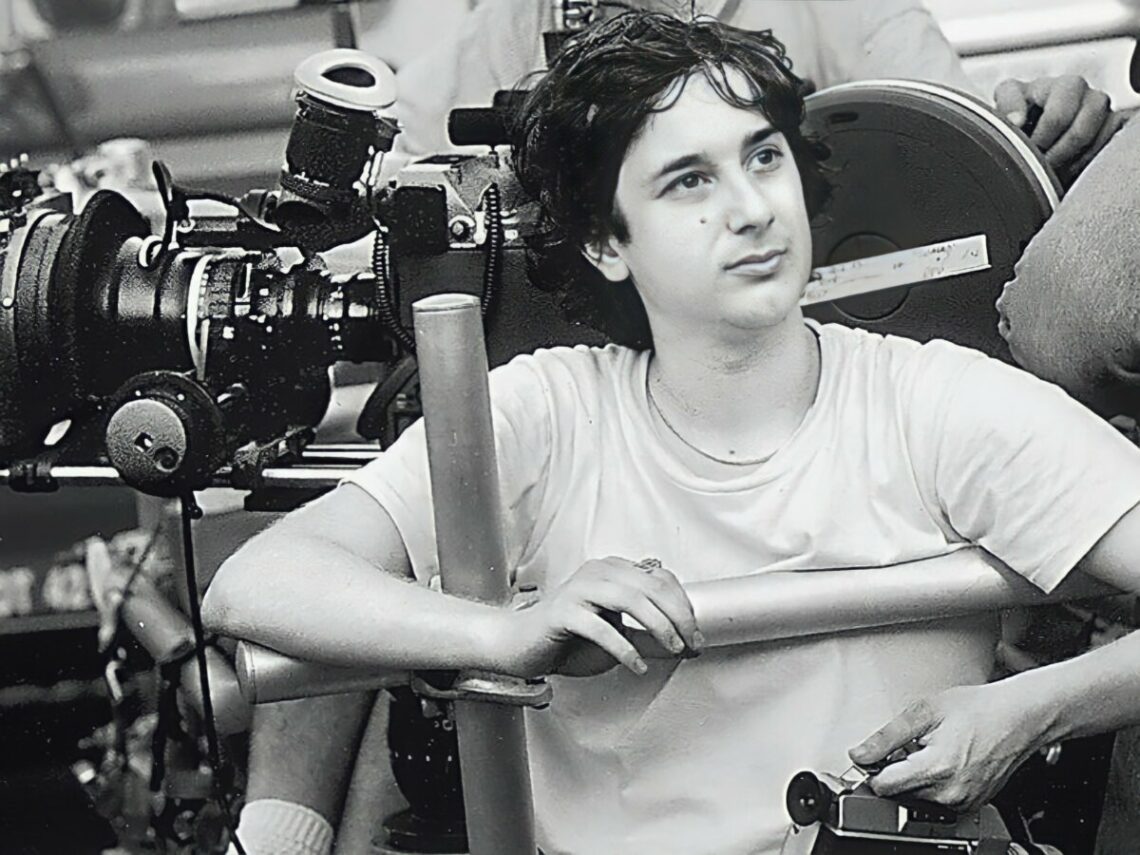
When Harmony Korine thought ‘Gummo’ would be received like ‘Bambi’: “I am always wrong about such things”

Every so often, a director comes along who stirs up unimaginable controversy, but they embrace it, revelling in the polarising reception to their work, such as from John Waters to Gaspar Noé, who use transgression to directly inform their films, opposing the status quo with the kind of imagery that deliberately unnerves and provokes.
Rallying against hegemony, against tradition, they occupy a place in the cinematic landscape that is always going to welcome both dedicated followers and passionate detractors, and that’s exactly where Harmony Korine wound up when he emerged as the latest enfant terrible in the 1990s.
This term really isn’t an exaggeration; he was just 19 when he penned the screenplay for Kids, one of the most divisive films of the ‘90s. After being approached by photographer Larry Clark in a New York skate park, he was asked to write a script for a film that reflected his own experiences of growing up in the city, drawing on the influence of the Aids pandemic and teen drug culture. The result was a vision of some of the most heinous, selfish male characters you’ll ever see onscreen, as well as an opening sequence which many deemed to be child pornography.
A few decades on, and Kids remains as controversial as ever, adored by many as a gritty and grimly realistic portrait of American adolescence in crisis, while others see it as a meandering, insufferable tale of doomed youth. Whether you like Kids or not, it’s hard to deny Korine’s bold artistic vision, which he soon brought tenfold to his directorial debut, Gummo.
Released in 1997, the movie was just as polarising, with its largely plotless narrative, which depicted the lives of bizarre people in an Ohio town recovering from a tornado. Animal cruelty, glue-huffing, chair-wrestling, racism, child molesters, Satanic rituals, all and more can be found within Gummo, and among some of the most unforgettable moments is the scene in which Solomon eats spaghetti in a dirty bathroom, the tiles and the water a sickening shade of brown.
The film was never going to be received unanimously, and success was not guaranteed with its loose narrative strung together by shocking scenes, yet Korine did find a certain level of acclaim, hailed by some for his experimental take on the social realist genre, which tapped into an American wasteland with striking accuracy. Since then, he has continued to lead a cult following of those interested in his unique breakdown of American society, which he shapes into something so utterly depressing and revealing.
But he’ll never forget the negative reception that also came from Gummo, with The New York Times calling it one of the worst movies of the year. He knew that some critics would hate it, and many did, but he still had a hope that it would be received somewhat differently, telling IndieWire, “I try not to think about it too much. I have never been good at gauging reactions to my films. I remember thinking Gummo would be embraced by the public in much the same way as Bambi was when it first came out. I am always wrong about such things.”


In a way, though, Gummo’s reception hasn’t been all that dissimilar to Bambi. The Disney film was criticised by many audiences upon its release for being too human, too violent, and too sad. There wasn’t enough fantasy in it, just the grim reality of human hunters killing animals, like Bambi’s mother. Years on from its release in 1942, however, critics laud Bambi as a bold step for Disney, and it is now much more widely loved.
Gummo might not be as adored as Bambi just yet, but it certainly has a large following of diehard fans who see it as Korine’s great misunderstood masterpiece.
