


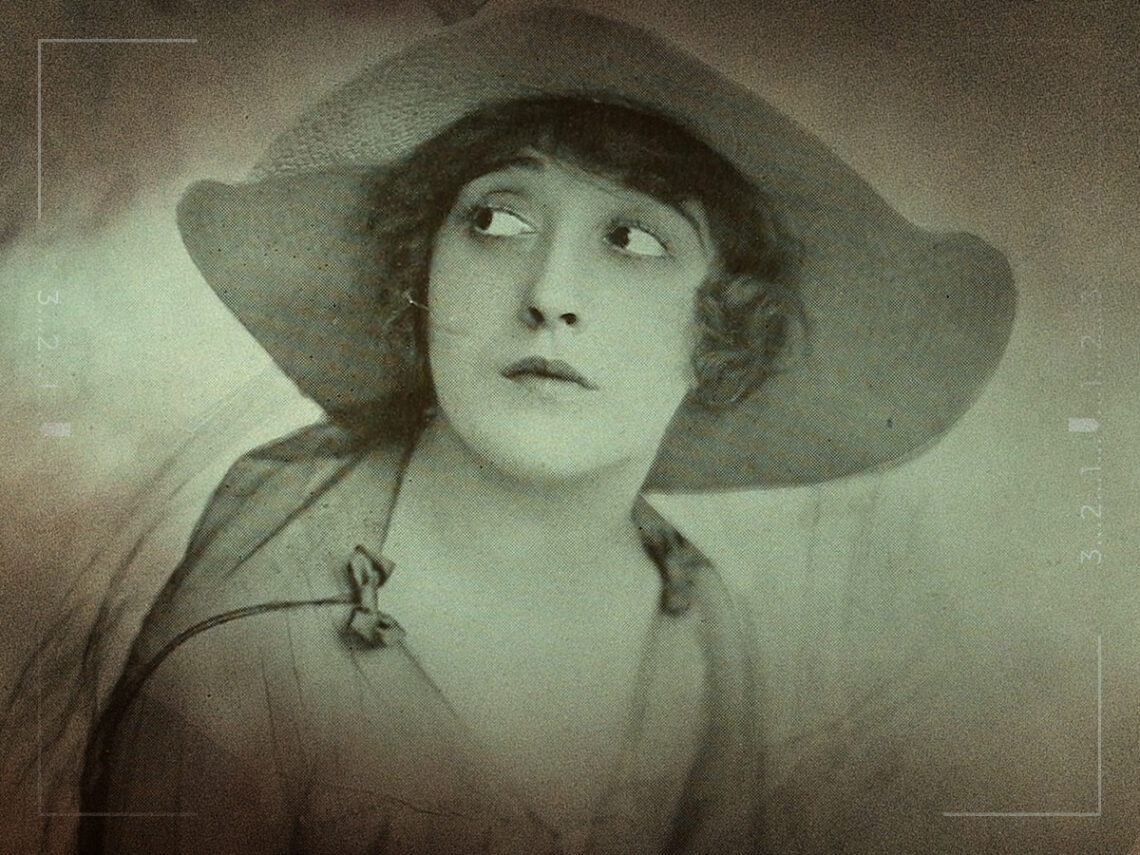
Gun violence, silent stardom, and trailblazing filmmaking: The curious life of Mabel Normand

Hollywood has long welcomed some fascinating figures under its vast wings, and shrouded under the darkness of those bright feathers are some incredible stories, many of which could only possibly exist on screen.
But of course, art and life often imitate each other, and the most interesting figures are not those who only exist in the realm of fiction, but the ones who actually lived extraordinary lives, and Mabel Normand is one of these endlessly compelling people. However, her legacy in Hollywood has since faded into obscurity, leaving very few aware of the influence she had over the silent era or the various scandals she found herself in, more often than not involving gun violence.
Normand was born in 1893, just before cinema emerged as an art form, and as soon as she was old enough, she began acting. It was still early days for silent cinema, and studios were primarily churning out shorts, but Normand quickly proved to be a pretty reliable star. While she’d come to be known for her comedies, she would deliver some rather evocative performances in some more serious roles, too, frequently collaborating with big names like DW Griffith and Keystone Studios founder Mack Sennett, with whom she began a relationship.
It didn’t take long for her to become a star, and she often appeared alongside Charlie Chaplin. In 1914, she directed a series of shorts, many of which featured the iconic star, such as Caught in a Cabaret and a few movies in which she starred as herself, including Mabel’s Strange Predicament and Mabel at the Wheel. Revelling in lighthearted comedy, Normand was one of the few women making films during this era, and her efforts were trailblazing, even if her time as a director was rather short-lived.
She spent much more of her career as an actor, securing contracts with the likes of Vitagraph, Keystone, and Goldwyn. You could often see Normand alongside Roscoe ‘Fatty’ Arbuckle, and she even made history when she smashed a pie into his face in A Noise From the Deep, a cinematic first. But her friendship with Arbuckle was perhaps a sign of her susceptibility to scandal, because in 1921, he would be accused of raping and killing actor Virginia Rappe.
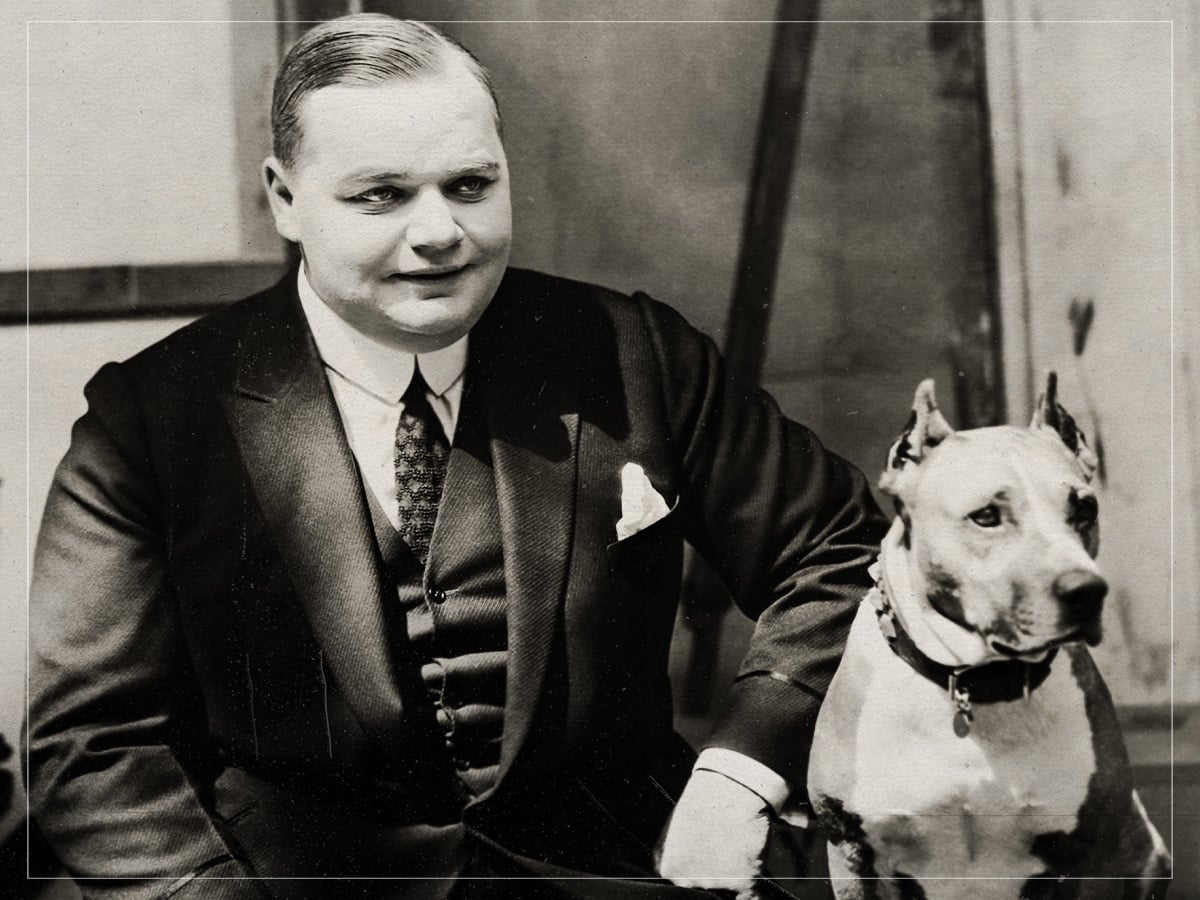
While Normand wasn’t involved in the scandal, she was negatively affected by the bad press that Arbuckle received, with his films, a large percentage of which included her, pulled from circulation amid the media frenzy. While he was acquitted of the crime and eventually returned to the screen, this incident gave Normand a taste of censorship, which she’d come to experience again a few years later, but not before 1922, when director William Desmond Taylor was found dead in his home.
Normand, his apparent lover, was briefly accused of being a suspect, but she was later ruled out, not only because there was a lack of evidence, but because she was reportedly inconsolable with grief following his passing.
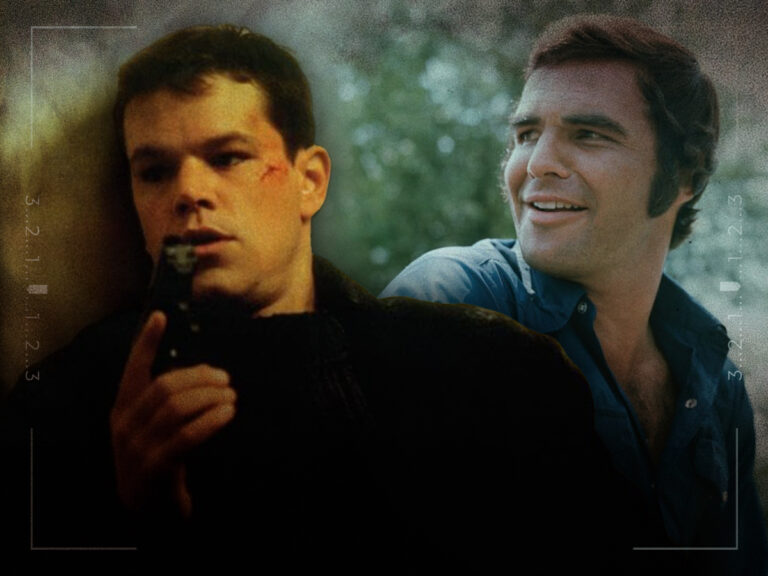


However, his death, which was later discovered to have been caused by a small pistol wound in his back, was rumoured to have been orchestrated by a contract killer hired by drug dealers whom Taylor had threatened to report to the police. These dealers were responsible for supplying Normand with cocaine, which she was supposedly addicted to, having sought advice from Taylor to try to kick her habit. Who killed Taylor remains a mystery, which is pretty classic of a strange Hollywood murder case, unfortunately. Crime scenes were never dealt with properly back then.
You’d think that this would be enough scandal for one person to be associated with, but she was soon involved in drama yet again when her chauffeur used her pistol to shoot Courtland S Dines, a golfing millionaire, with which she had nothing to do, and Dines survived, but that didn’t stop various states, including Ohio, from banning Normand’s films.
She ended up dying from tuberculosis at the age of 36, which cut her career tragically short. Normand had already retired due to her ill health before cinema had even introduced sound, but the impact she made on the silent era shouldn’t be forgotten.
In a space that was quickly becoming dominated by men, Normand wrote and directed films, becoming an early leading lady with some pretty impressive co-stars. Sadly, she kept coming too close to scandals, and that subsequently had a negative impact on her career, which ended prematurely in 1930.
