


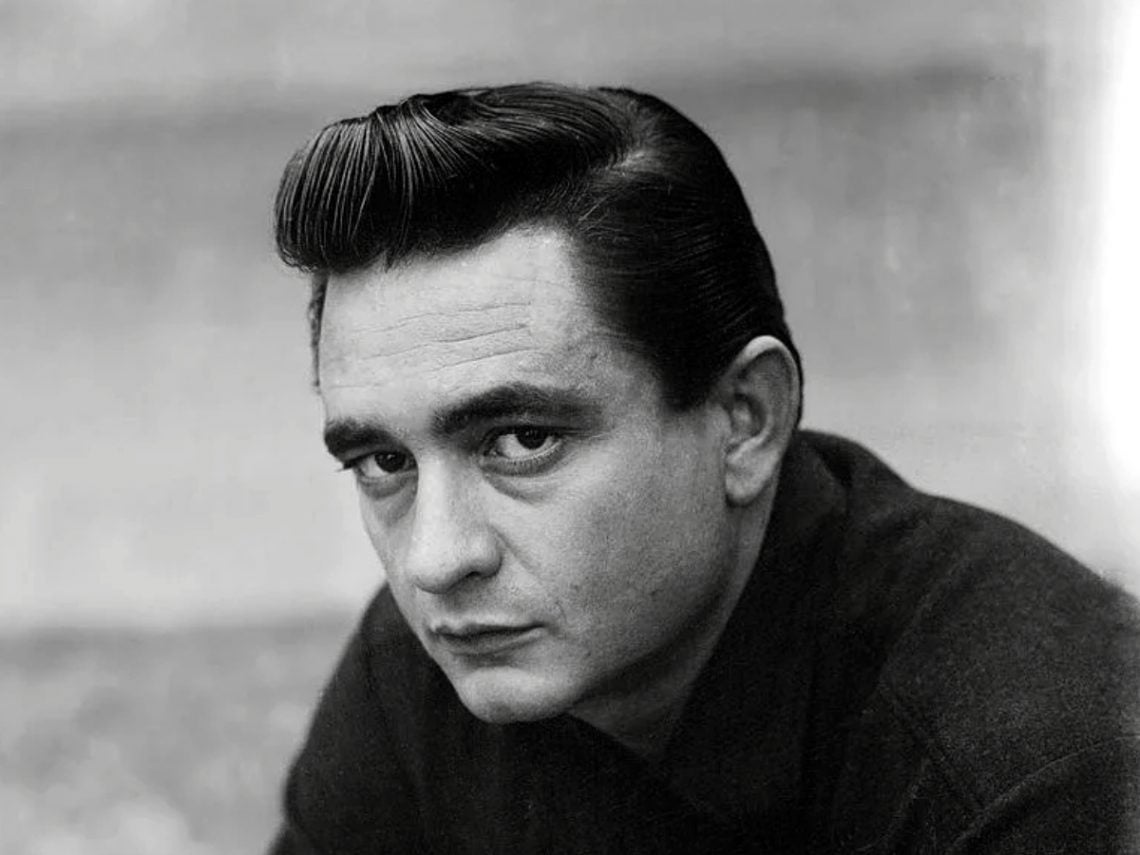
The guitarist Johnny Cash said was out of everybody’s league: “That particular touch”

The influence of the right backing band can’t be overstated.
Bruce Springsteen often says that without the E Street Band, he wouldn’t be ‘The Boss’. Bob Dylan’s move to electric may never have happened without crossing paths with The Band. And in Johnny Cash’s case, much of his now-iconic sound rested on the shoulders of a single guitar player.
For some artists, a backing band can be the key to evolution. Dylan is a perfect example. It was only after he began playing with other musicians that he plugged in and turned up the volume. That shift in collaboration directly influenced a change in both sound and style. For many acts, a change in personnel often brings a complete shift in energy.
But for Johnny Cash, the right backing band wasn’t just a matter of energy; it was about actually getting the thing done. “I don’t think I knew four chords when I started recording,” he once said, because when he began with music, his knowledge was completely rudimentary. “All the songs I liked you could play with two or three chords,” he added, so he’d never really felt the need to boost his guitar playing beyond the absolute basics.
Obviously, though, when it comes to actually laying a track down in the studio and trying to record music, rather than just play it live, there needs to be a little more than that. So, he needed to bring some people in and instantly, on his debut album, he found the right guy.
Initially called the Tennessee Two until gaining an extra member in 1960, the core band was made up of bassist Marshall Grant, drummer WS Holland, and, crucially, guitarist Luther Perkins.
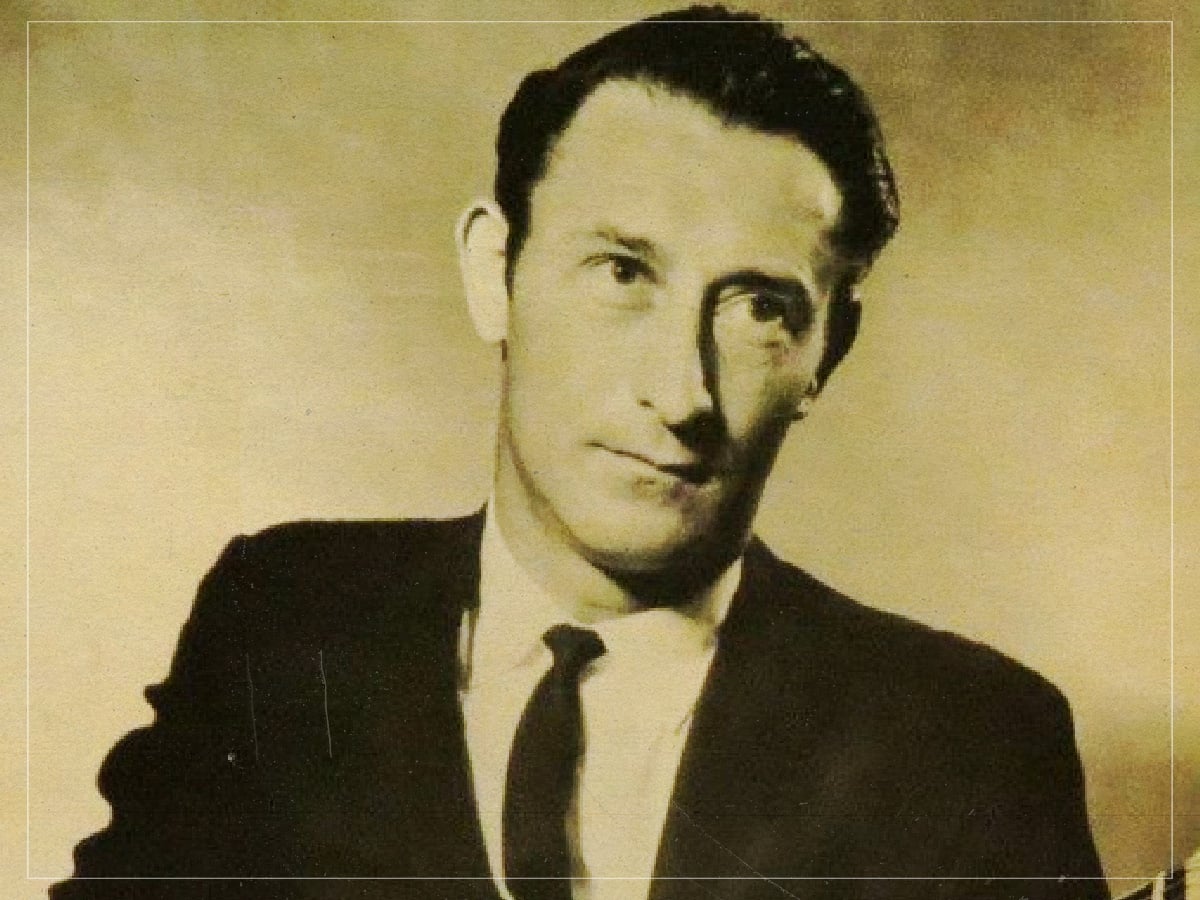
Over the years, the band would chop and change with new members and varying numbers, but Luther Perkins endured from the formation in 1954 on Cash’s debut album, to 1968 when he didn’t quit, but sadly died.
The first thing you hear on Cash’s debut album is the distinctive guitar playing he became known for. It’s guitar playing with a beat, quickly becoming labelled as a “boom-chicka-boom” style. That was Perkins’ doing, bringing it to the band on lead guitar, merging his more rockabilly style with Cash’s simple, classic country playing. That alone birthed Cash as the artist he’s remembered as, creating his bad-boy outlaw sound right there and then with Perkins’ edge in tow.
Obviously, there would sadly be a long stint of Cash’s career where Perkins was missing after his death, but the artist would forever honour the immense impact the guitarist had then and had forever more.
“Nobody can play like Luther. A lot of guitar players have come along who try to sound like him, but nobody yet has ever got that particular touch that Luther had on playing that one-string rhythm,” he said, talking about that recognisable, rhythmic style. To Cash, from the moment they met, Perkins was one-of-one, and for the rest of his career, he always knew he had the original when he started hearing countless other artists begin to emulate Perkins’ style.
But more than that, the guitarist was a friend. Honouring the man he was, along with the player he was, Cash said fondly, “Luther Perkins was a nice person too. Everybody liked him. I loved him like a brother. We were closer than brothers, really, from day one when we started working together.”
