


The guitarist even Eddie Van Halen knew was out of his league: “A standalone”

Every guitarist tends to have their own language regarding the instrument. There’s no right or wrong way to learn how to play the guitar, and some of the most inventive players in rock history have either made the most out of their limitations or tried their hand at pushing the instrument beyond its physical capabilities whenever they perform.
Although Eddie Van Halen may have single-handedly stretched the limits of the guitar, he thought one of his heroes was too original to comprehend.
In the wake of Van Halen’s debut record, most would say the same thing about Eddie’s playing. Compared to the blues players that had come before him, like Eric Clapton and Jimmy Page, Eddie had taken a completely different approach, playing with both hands on the fretboard to create a massive run of notes that many people thought were impossible.
For the longest time, when they played live, even Eddie tried not to give away too many of his secrets. Once various budding guitarists began showing up to their gigs, Eddie made it a point to turn his back away from the audience, not wanting any of them to see what he was doing and pinching any of his licks for themselves.
While many guitarists have been guilty of stealing licks here and there, being able to copy any riff from Jeff Beck is practically futile. After making his mark as one of the many guitar heroes to join The Yardbirds, Beck would blossom as a player throughout his solo career, blending elements of blues, jazz, and fusion to create a melting pot of different sounds across albums like Truth and Blow By Blow.

That’s where the usual rules start to fall apart. For most players, influence is something you can trace from one set of hands to another, but Beck always felt like he existed slightly outside of that lineage, operating on instinct rather than any recognisable school of thought.
Even when you think you’ve got a handle on what he’s doing, the next phrase shifts the ground again. It’s not just technique or tone that sets him apart, but the sense that he’s reacting in real time, chasing a feeling rather than following any established path across the fretboard.
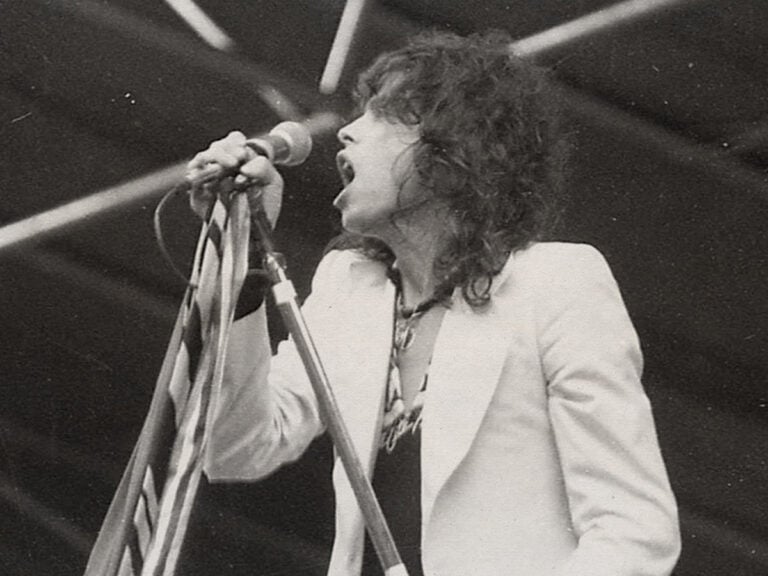
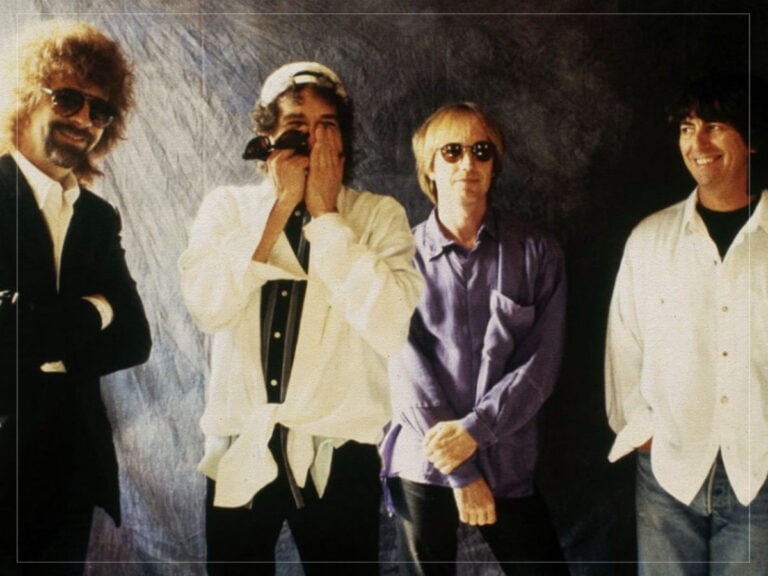
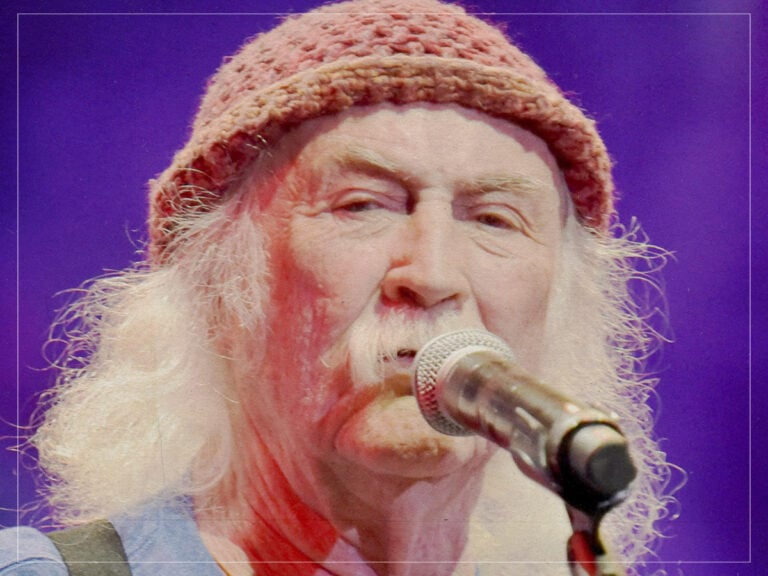
Even though Rod Stewart would serve as the group’s vocalist for many years, it didn’t matter who was singing with Beck onstage. Compared to the other bluesy runs his contemporaries were getting up to, Beck was known for twisting his guitar until he got the sound he wanted, usually sounding more like a human voice than the singers he employed.
While the guitar scene may have changed when Eddie came on the scene, he still considered Beck the height that many need to aspire to. Despite covering as many bases on the guitar as possible, Eddie still thought that Beck tapped into many sonic areas that he could never hope to reach.
Compared to most other blues guitarists he listened to growing up, Eddie thought no one could truly understand Beck’s playing, telling Rolling Stone, “Jeff Beck is definitely a standalone. You never know what the hell he’s gonna do. My brother and I were in France 20 years ago, and Jeff Beck was playing. He was doing a rockabilly thing. And we were like, ‘What the hell is this?’ So you never know what to expect with him”.
That versatility would become a huge influence on Eddie’s playing as well, constantly toying with his toy up until the group’s final album, either trying to take his music in another direction or squeeze that little piece of magic out of the fretboard again. Although Beck found his calling in the world of rock and roll, his body of work proves how much can be done when there are no genre boundaries.
