


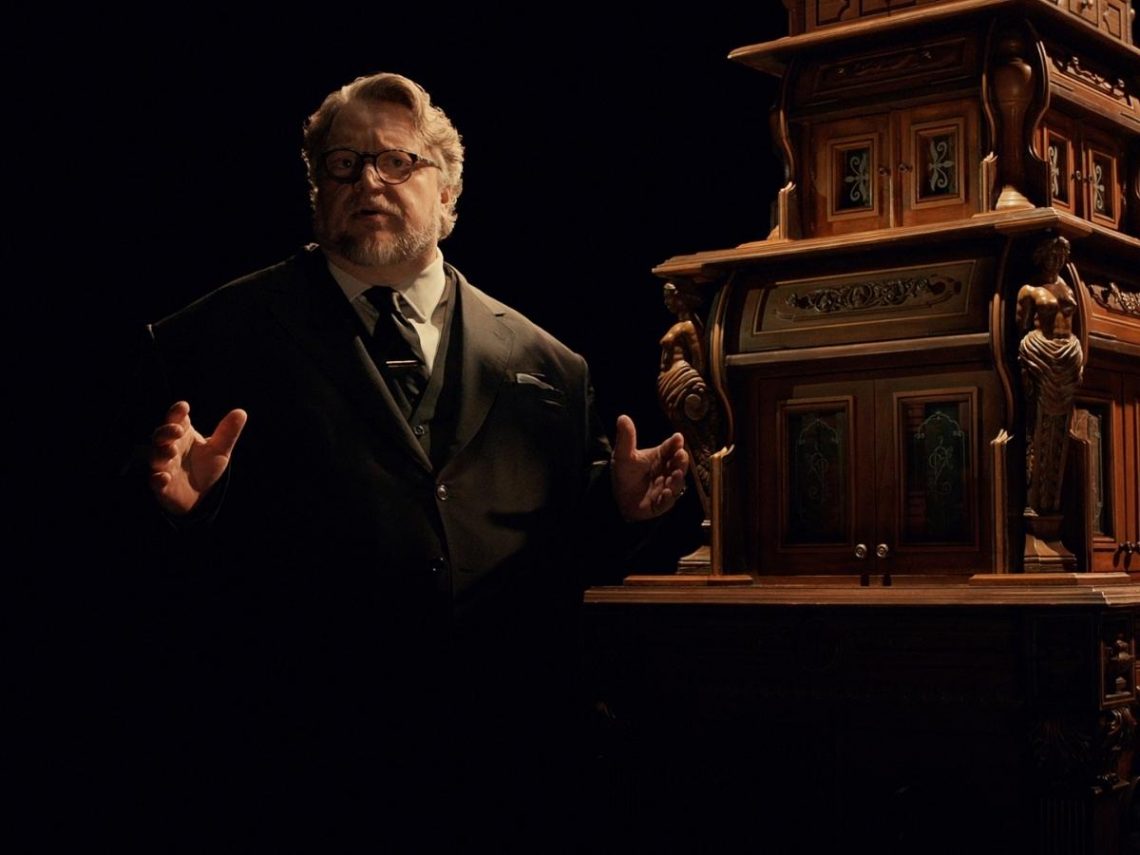
Guillermo del Toro on the “serious” vitality of fantasy

The cinematic works of Mexican director Guillermo del Toro are simply one of a kind. Del Toro often toys with the conventions of fairy tales, fantasy and horror, delivering them in full force before subverting the way they expose very human concerns such as politics, religion and the meaning of life.
Throughout his career, del Toro has provided many excellent films in the horror and fantasy genres, including Cronos, The Devil’s Backbone, Pan’s Labyrinth, Hellboy, The Shape of Water and Pinocchio, always through his unique thematic and aesthetic vision. But that very insistence on the fantasy genre has more of an important role in del Toro’s heart than one might initially think.
“I think that there’s nothing more serious than fantasy,” the legendary director once told FilmStruck. “When it’s well executed, it touches nerves that no other genre touches that are primary in our fabric because they were installed there in our childhood, and it transforms us in a way that else does.”
Del Toro is well-known in the horror world, but his films are never quite the jump-scare movies we expect from the genre. Instead, he entirely subverts the film category and uses its themes and motifs for his own aims and purposes. The reason for del Toro really comes down to what horror shares with fantasy in the sense of its imaginative creativity.
He continued: “The funny thing as the years went by, or have gone by, is that I realised that what attracted me to horror was not what makes horror ‘work’ commercially. What attracted me to horror was its kinship with fairy tales.” And that’s precisely what we see in the likes of Pan’s Labyrinth, at once terrifying but, at the same time, beautifully moving.
Del Toro went on to discuss how fantasy and children’s fairy tale writers understand that there needs to be a base level of reality in their creations in order for them to work and resonate in the heart of their young readers. He drew particular attention to writers such as Roald Dahl and other classic children’s authors.
“They understand that at the core of a fairy tale or a children’s fable, there needs to exist a complete and merciless brutality,” del Toro said. “Because kids go, ‘It’s real, he knows, or she knows’. But they get it.” In that light, it’s clear to see that del Toro himself works in such a way, delivering horrifying stories that captivate but move us deeply inside at the same time.
