

10 essential films from the New Queer Cinema movement
Read More


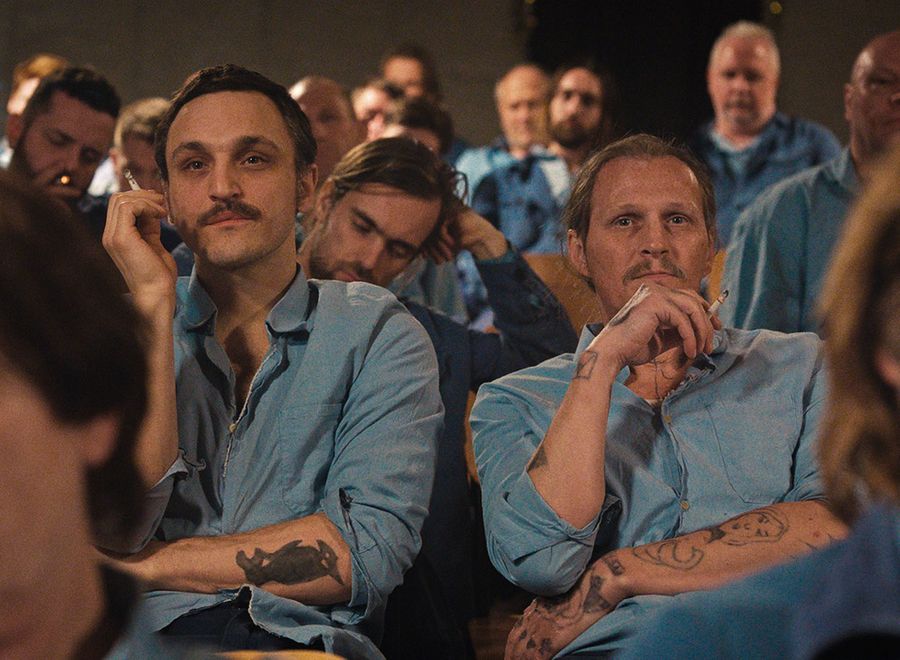
New Queer Cinema has gained more mainstream appeal in the 21st century, with many fantastic modern LGBTQ+ gems being produced each year. Sebastian Meise’s latest project – Great Freedom – is definitely one of those films, having already garnered a lot of critical acclaim due to its uncompromising artistic integrity and compelling narrative power.
Set in Germany following the horrors of the Second World War, Great Freedom revolves around Hans Hoffmann (played by the brilliant Franz Rogowski) – a gay man who finds himself in prison after enduring imprisonment in a concentration camp during the Nazi regime. Meise constructs an incisive look into Germany’s terrible history of oppressing the LGBTQ+ community through legislation as well as widespread homophobia.
Right from the opening scene, Great Freedom links homosexuality with the politics of space in an authoritarian society. We see glimpses of gay lovers finding moments of intimacy in dirty bathroom stalls, structured in the form of hidden camera footage, which delivers a fascinating commentary on the concept of the panopticon and the state’s constant surveillance of marginalised communities.
Over the course of the film, we see how Hans’ entire existence is inextricably linked with the country’s prison system. Meise uses a non-linear narrative that jumps from one prison term of Hans’ life to another during different eras of governance in Germany and also features the different men that Hans tried to love within those prison walls.
Crystel Fournier’s sublime cinematography helps the audience navigate the enclosed spaces of the prison compound, letting them feel the claustrophobia of the cells as well as the fleeting respite of being let out onto the grounds. Such expert manoeuvres are an essential part of the prison genre – best done in masterpieces such as Robert Bresson’s A Man Escaped as well as Jacques Becker’s The Hole – and Fournier handles it well.
The major driving force behind the narrative is the disconnect between the social conditions and the token gestures of passing legislation without committing to them. Great Freedom is a reminder of the constant persecution that LGBTQ+ individuals were subjected to because of the draconic Paragraph 175, which became more relevant during the Nazi era.
While LGBTQ+ rights in Germany have definitely improved a lot since then, even the decriminalisation of homosexuality in the late ’60s provided no relief to Hans, who had fallen in love with his cellmate Viktor (played by Georg Friedric), the man who had subjected Hans to homophobic abuse and violence due to a paranoid denial of his own homosexuality which comes across as a pointed critique of patriarchal values.
In prison films, the moment of escape is often a liberating, cathartic experience, and A Man Escaped is the perfect example of that. If Great Freedom had an alternative title, it would definitely be A Man Hesitantly Walks Out. Both the audience and Hans are well aware that existing as a gay man in a predominantly homophobic society is just another form of imprisonment.
