


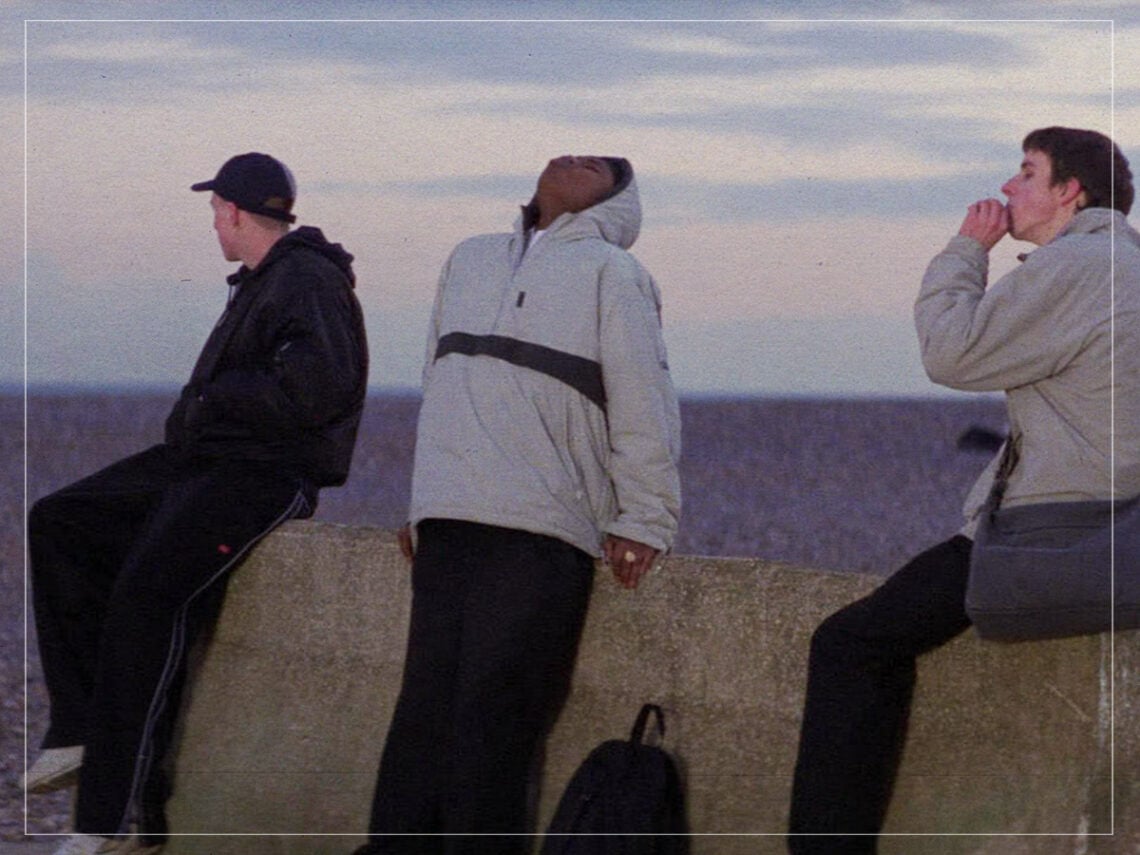
‘The Great Ecstasy of Robert Carmichael’: the disturbing drama defined by a mass walkout at Cannes

Where is the line between confronting provocation and video nasty? When does a film stop being an uncomfortable glimpse into the grim realities of today and become a repulsive orgy of violence with no redeeming features? Well, 26-year-old British director Thomas Clay learned a harsh truth about this line when his debut feature, The Great Ecstasy of Robert Carmichael, was screened at the Cannes Film Festival in 2005. You see, what he thought he had made was not what the audience at that screening perceived. Instead of inspiring discourse in the viewer, his film mostly turned their stomachs and prompted a mass walkout.
Set in a small, past-its-best Coastal town in England, Great Ecstasy follows teenager Robert, an introverted middle-class cello player played by Daniel Spencer. Bored and listless, he falls in with a pair of lads who encourage him to take drugs and cut school. When one of their older cousins – played by Danny Dyer – is released from prison, he ropes the boys into becoming dealers for him. Soon, Robert is taking harder drugs like ecstasy and cocaine, and the movie culminates in the formerly shy, reserved boy taking part in the gang rape of a celebrity chef’s wife.
The film is set against the backdrop of the Iraq War. In fact, in one scene, a teenage girl is sexually assaulted by the other boys while Robert watches the invasion of that country by American military forces on TV. Clay intended to use the war crimes committed there by some soldiers – which included the rape of local women – as a metaphor for what happens on the homefront in his film. However, most critics felt this was executed in a ham-handed manner. In truth, they weren’t entirely sure what he was trying to say beyond pointing out that sexual violence exists in war and civilian life.
The extended, horrifying rape of the celebrity chef’s wife that closes the film is the thing that became the albatross around its neck, though. In a scene with more than a whiff of A Clockwork Orange about it, Clay shows the boys take turns assaulting the wife so badly that she eventually bleeds to death. The entire scene is scored by classical music, which can’t help but make audiences think of Kubrick’s own controversial masterpiece.
At the time, Clay expressed that his intent with the scene was to shock audiences and provoke some kind of reaction. In a quote that seems ill-advised nowadays, he reportedly said, “If they vomit, we have succeeded in producing a reaction.”
He told Cineuropa: “The majority of modern films seek to reassure an audience and reinforce a belief in their own essential goodness. Other times, violence is depicted in such an abstract context as to be meaningless. What I believe can make people uncomfortable…is to accept that Robert, a previously sympathetic character and a young man that we might see walking down our own street, would commit this act. This forces the viewer to address all sorts of uncomfortable questions.”
Listening to Clay speak eloquently about the intention behind his bleak film is one thing, but watching it is another. Perhaps he hadn’t built up the level of skill needed to execute something as incendiary and harrowing as this while also ensuring its themes shone through. On the other hand, maybe the critics who accused Clay’s lofty pretensions of coming across as sophomoric were right. Maybe what he thought was enlightening was actually quite basic, and all he did was make an upsettingly violent film that only hand-waved at having a deeper meaning.
Ultimately, having a festival audience walk out of his directorial debut didn’t kill Clay’s career entirely. He directed the low-budget indie Soi Cowboy in 2008. Then, in 2020, his horror western Fanny Lye Deliver’d was released. When interviewed that year by SciFiNow, he revealed that his next project may be a science-fiction movie or even a musical – but it’s hard to imagine him ever making anything as controversial as Great Ecstasy again.
