


Graham Nash’s 10 greatest songs of all time

Graham Nash’s ethos when it comes to writing songs is relatively simple; however, that simpleness has led to the creation of some of the greatest tracks written either side of the 2000s.
His aim has always been to act as a mirror, using his art as something which reflects that specific moment in time. This could be by writing about something personal to him, or by writing about one of the world’s larger issues, as he has previously touched upon war, politics and inequality.
A lot of people are hesitant to write about a specific moment in time at risk of their work becoming dated, but Nash is proof that that doesn’t happen. Instead, so long as what you have written is of good quality, then the meaning behind the song shifts over time. It can be applied to various situations and becomes timeless in how it can be applied to different moments in history.
This is exactly what has happened with Graham Nash, as he has written plenty of songs which reflect a specific moment which now have varying interpretations. His versatility makes it difficult to choose his greatest songs of all time, but we still figured we’d give it a go, as we narrowed it down to 10.
The 10 greatest songs Graham Nash ever wrote
‘Military Madness’

When Graham Nash started making music, he was always excited about the idea of writing songs that got people dancing. When he moved to America and started working with other people, he realised he should branch out and begin writing about themes which were a better reflection of the world around him. One of these themes that he touched upon was war, and in doing so, he created ‘Military Madness’, which is now considered a classic.
Nash wrote a melodic and catchy tune that is fun to listen to, but also doubles up as a critique of war and how it doesn’t achieve anything. “You could say from a very early age I’ve been aware of the absurdity of war,” said Nash when discussing the track. “There is always one side that wins out economically and industrially because they were the ones who manufactured the war and the weapons.”
‘Our House’
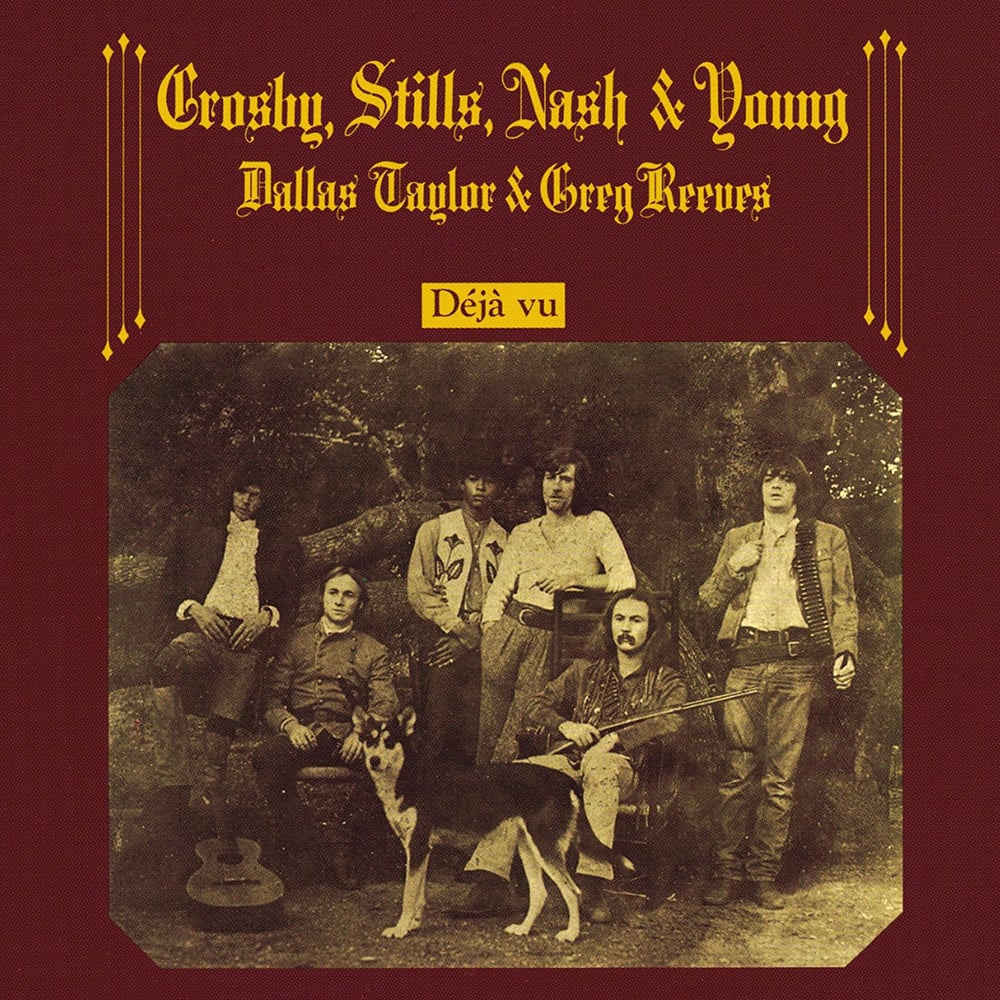
‘Our House’ is arguably the most popular song that Graham Nash has ever released, and when you listen to it, it’s pretty easy to understand why. From the first few lyrics, Nash delivers a melody which is not only nice to listen to but also as pleasant as the homeliness that he sings about. A track that resembles a warm fire on a winter’s night, Nash created something which is heartfelt, recognisable and wholesome.
The reason this song sounds so welcoming is likely a reflection of how Nash was feeling at the time. After moving to America and moving in with Joni Mitchell, he was very much in love, and his art reflected that love perfectly. “I remember being totally in awe of her,” said Nash, “She’d go and make some supper and come down and we’d be eating, then she’d all of a sudden space out, go to the piano […] To see her sit down and write ‘Rainy Night House’ and all those other things was just mind blowing.”
‘Better Days’
‘Better Days’ may be a sad one to put after ‘Our House’, but if there were ever two songs that show how Nash can capture every emotion under the sun with his lyrics, it’s these two. Nash admitted that a lot of his sad songs on the record Songs For Beginners were written in ode to Joni Mitchell, and are a reflection of how sad he was when they split up.
If you’re ever feeling a bit down or lovesick, then all you need to do is turn this song up to full volume and start singing. Never has there been a track which doubles up as an inescapable moment of sadness and a release at the same time. Nash can master feeling down and present it in a new way, unlike any other songwriter.
‘Golden Idols’
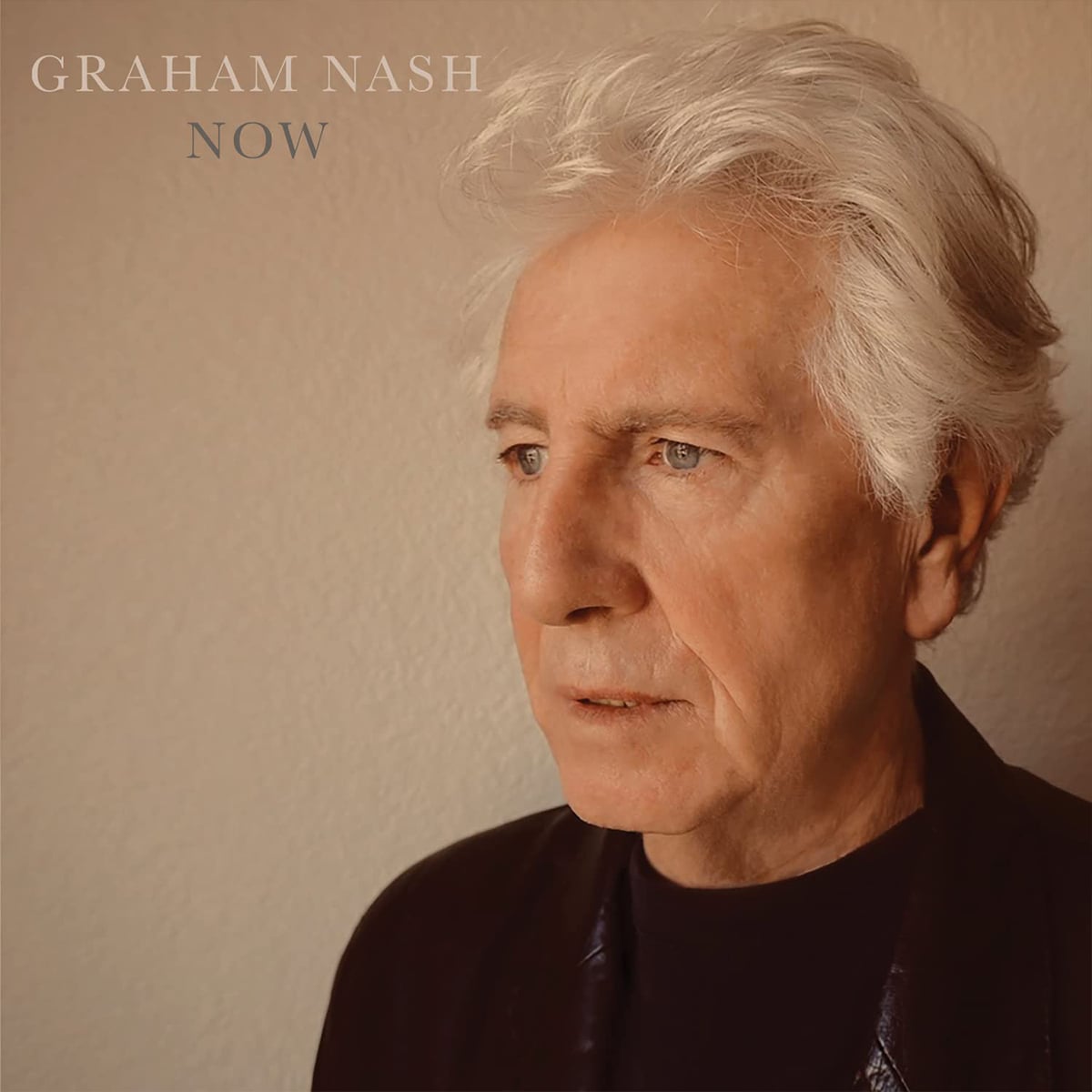
While he may not be considered a punk icon, Nash has never been worried about getting political within his music. In a recent interview with Far Out, he made his opinion on President Donald Trump known, as he criticised his policies and how he is handling being in charge of America for a second term.
Anyone who has been listening to Nash’s music for a while won’t be surprised about his disdain towards the president, given Nash is notoriously left; however, just in case people had forgotten, he made it clear on his 2023 song ‘Golden Idols’. I’ll be real, this probably isn’t Nash’s best song, but I have a deep respect for anyone who uses music in a bid to speak their mind and make their opinion known, which is exactly what Nash did with this track. The fact it comes so late into his career only raises my respect for it.
‘Long Cool Woman (In a Black Dress)’
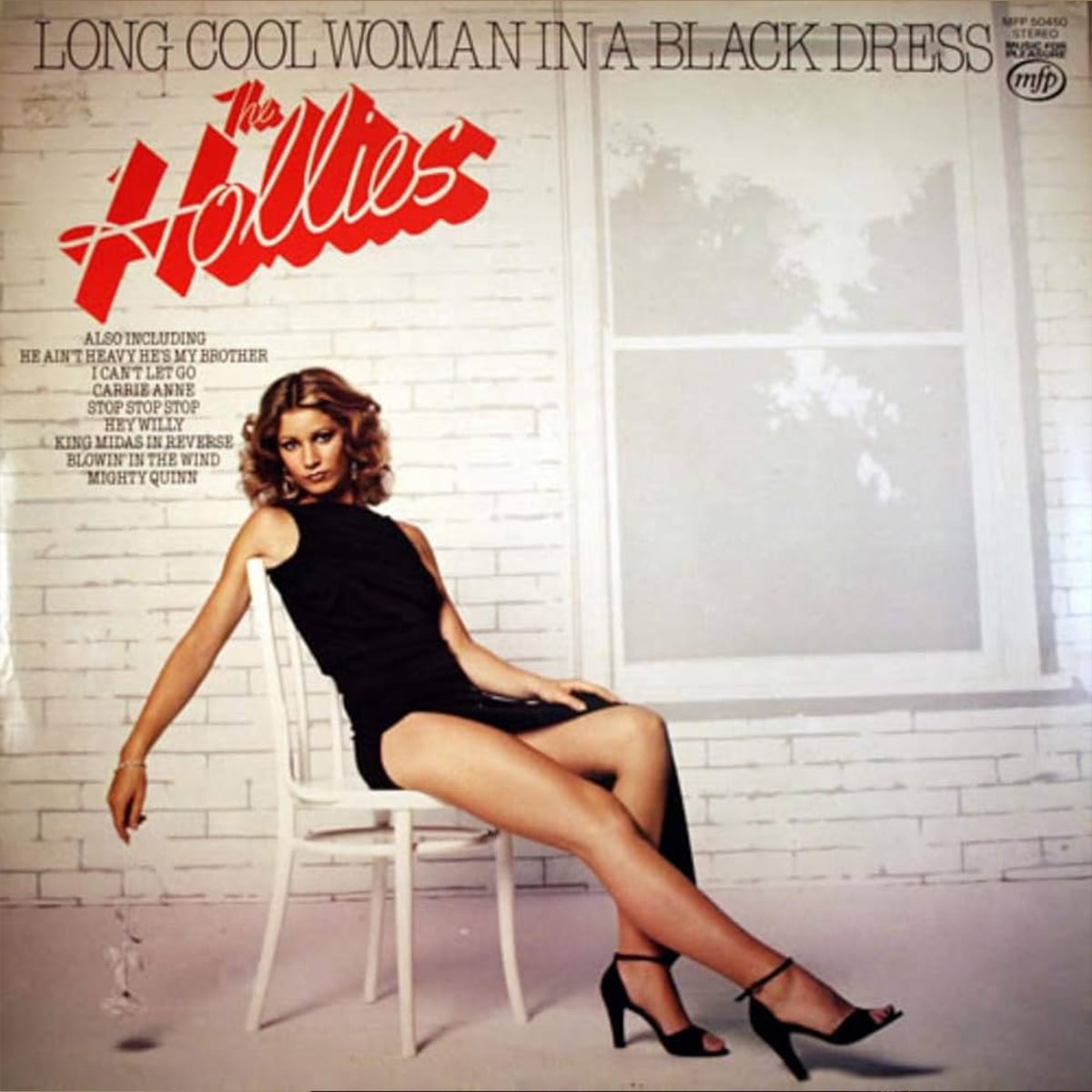
We now go back to the early days in Nash’s career. ‘Long Cool Woman’ was released in 1971, back when Nash was still just writing songs with the intention of getting people off their feet and dancing. This kind of music is incredibly fun to listen to and highlights Nash’s mastery over rhythm and melody. It has always been present in him, from his early days of writing, all the way up to now.
Nash admitted that these songs even surprise him at this point. During his interview with Far Out, he admitted that he took for granted the work he did with The Hollies. “I’m realising more and more as I get older just how good The Hollies were,” said Nash, “They were a band, even though I was part of the band, we wanted to have as much fun on stage as possible, and we wanted our audience to feel the same thing.”
‘Immigration Man’

Frustration and alienation are two of the most difficult things to put into words. And ‘Immigration Man’ came from a very real experience when Graham Nash struggled with US customs while trying to enter the country. What makes this one of his best isn’t the important message but how much the arrangements still hold up, a quintessential touchpoint for Nash’s legacy.
“I wrote the song after being hassled by a customs official who wasn’t going to let me into this country,” said Nash. “He held me up for a very long time. Then people started coming up, asking for my autograph, and he let me through immediately. But it still made me angry. I’m not against local color but why should you fight me because you speak differently than I do?”
‘Chicago’
A protest song about the 1968 Democratic National Convention in Chicago, ‘Chicago’ wasn’t just politically important but a significant turning point in Nash’s career. Having recently left the Hollies, it saw him expressing his social commentary more freely, ruminating on the perils of violence in a way that beckoned those around him to do the same.
In other words, it presented a tenacious side to Nash that faced up to some of his bandmates, too, like Neil Young and Stephen Stills, who weren’t sure the song was a good idea. “I wrote this song to Neil and Stephen and to everybody that I thought might want to hear about the fact that what was happening to the Chicago 7 wasn’t fair,” he said.
‘Just A Song Before I Go’
Some of the best songs in history are the ones that were written in a short space of time. Obviously, most good art takes time. But there have been a fair few moments through the years when artists have been struck with such an intense wave of inspiration that it’s just fallen out of them. Sometimes in under half an hour. Which was the case when Nash wrote ‘Just A Song Before I Go’.
“I’ll bet you can’t write a song before you go,” Nash recalled the guy who was about to take him to the airport saying. “Then thought, ‘Hmm… just a song before I go,’ and then went and wrote the song in the moment, in around 15 minutes.
‘Wasted on the Way’
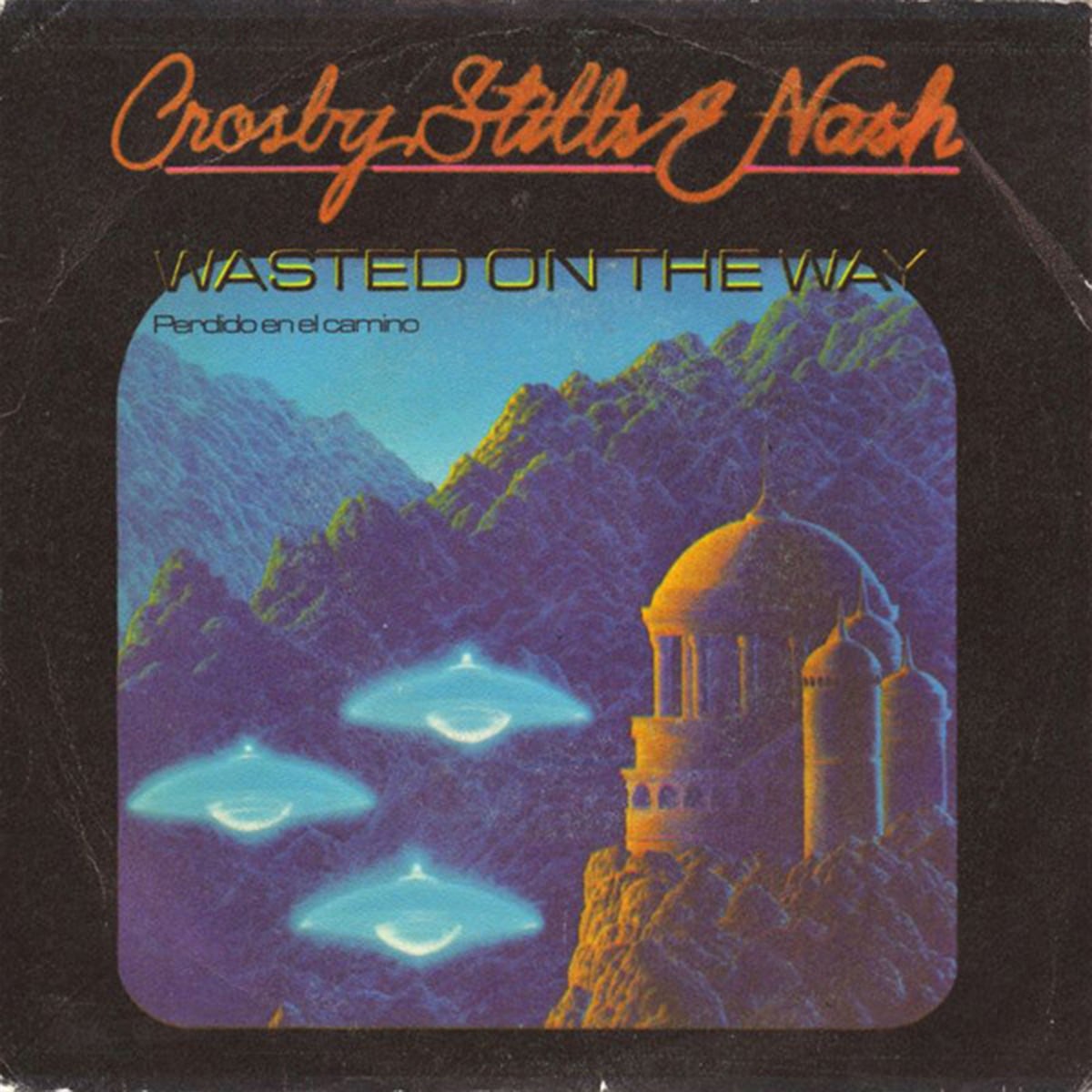
Another hit CSN single written by Nash, ‘Wasted on the Way’ tackled both the perils and pretences of the counterculture movement as well as all the mistakes he made in the early years with his band members. Most of this centred around how they’d waste too much time at each others’ throats than doing what they were actually there to do.
“We had wasted a lot of time arguing with each other and debating how we should do this or do that, and that’s what I wanted to say: We wasted a lot of time,” Nash told Songfacts. “CSNY only did what, three albums? We had wasted a lot time, and I just wanted to make my partners realise that.”
‘Simple Man’
The day before Nash wrote ‘Simple Man’, his “whole world fell apart.” He broke up with Joni Mitchell, wrote ‘Simple Man’, and then went on stage to perform it for the very first time. To rub salt in the wound, Mitchell was there in the audience as he sang it, hearing him sing about how in love he was, and yet how much it hurt him all the same.
A song revealing the more intimate sides of Nash’s life, ‘Simple Man’ was him at his most vulnerable. Not only did it show him under the pressures of songwriting, pouring his heart out in front of a live audience and his muse – it showed how he can transform his own personal tragedies into heartwrenching art.
