


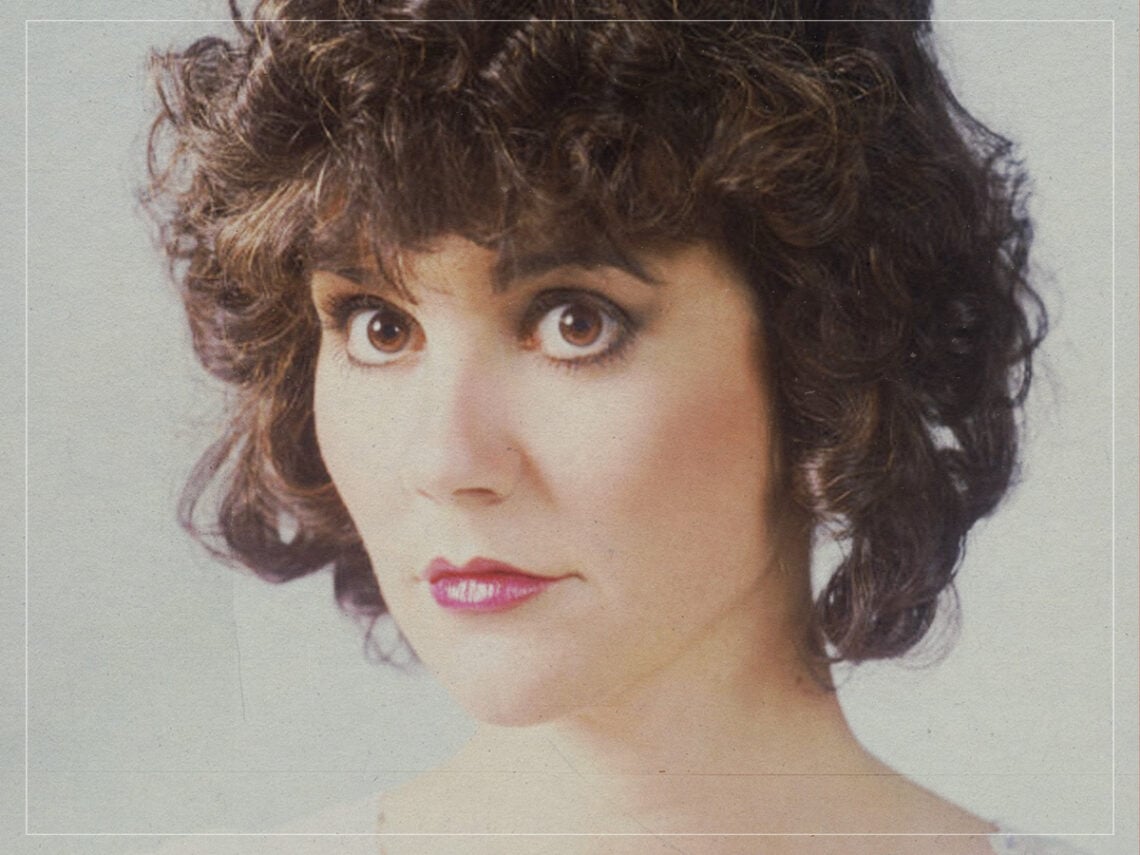
“Too corny”: the gorgeous 1974 song Linda Ronstadt fought to release

One thing about Linda Ronstadt is that she’ll never do anything she doesn’t think is worthwhile. As she once explained herself, if she doesn’t feel an emotional connection to a song, she simply won’t sing it.
Looking at the trajectory of Ronstadt’s career, this mindset has been both a blessing and a curse. However, while some could argue that it prevented her from gaining commercial success earlier in her career, it’s been mostly a blessing, existing in the fabric of her being since well before she moved from her home in Arizona to Los Angeles.
After all, Ronstadt learned early on what it felt like to feel deeply connected to a piece of music. Listening to the songs her parents listened to, which covered everything from traditional Mexican music to the Great American Songbook, Ronstadt developed a deep attachment to the art, so much so that she later vowed to honour only the sounds she’d heard before the age of ten.
Then, finding her voice as part of the bustling LA scenes at The Troubadour, Ronstadt used her unique experience to her advantage, standing as a proud force in a predominantly male-dominated room by spotlighting both her vocal excellence and country-rock style. Earning the moniker the Queen of Country Rock didn’t just happen by accident, and soon enough, people were looking to her for guidance and inspiration with their own musical development.
That said, Ronstadt represented far more than simple country-rock excellence; she always had certain tricks up her sleeve, ready to use them at any time the moment felt right. Her heritage, for one, wasn’t really something that most people understood in the early days of her career, and many people didn’t even see it as an integral part of her artistry, much less her identity.
However, beyond embracing these factors for specific projects, like Canciones de Mi Padre, Ronstadt’s heritage always allowed her to feel a sense of belonging even when everybody around her failed to understand, and informed the paths she decided to take whenever they presented themselves, encouraging her to avoid certain projects if they felt inauthentic.
Many times, if Ronstadt loved a certain idea, she chose to go ahead with it anyway, even if others didn’t embrace it or see any commercial value in it. ‘Heart Like A Wheel’, for instance, was one that she immediately loved, but anyone she presented it to seemed to have the same opinion, almost dismissing it entirely for not being commercial enough or worse, “too corny”.

It was during these times that working with Peter Asher turned out to be a musical match made in heaven, as he understood the appeal of their direction as much as Ronstadt did, backing her with certain choices if she said they felt right. As Ronstadt later explained to Uncut, she just felt the song was “gorgeous” and “wanted to perform it so much”, so that’s precisely what she did.
As we now know, her fight to record the song paid off, as the record not only reached the top of the Billboard 200 but also went on to win a Grammy for ‘Best Country Vocal Performance’, establishing her as a major force in the LA rock scene and giving people a glimpse into the kinds of achievements that came from having the audacity to follow your heart.
