


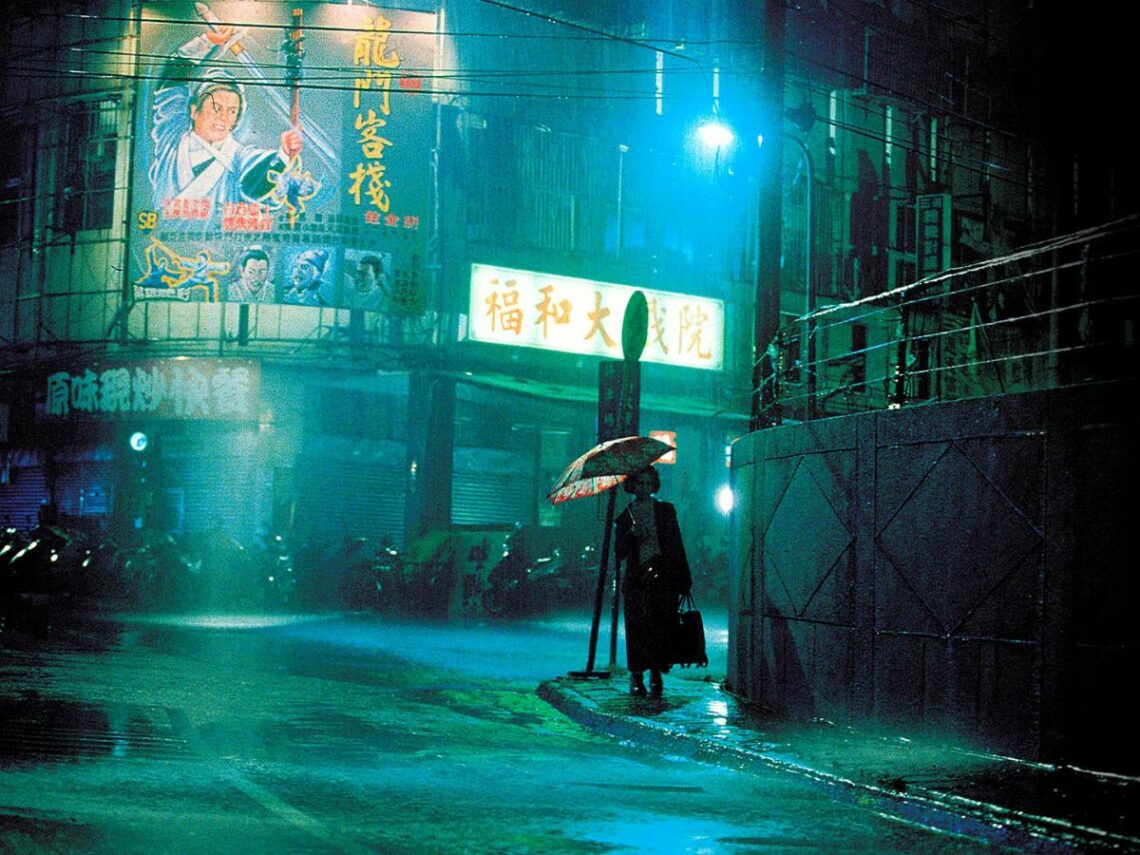
‘Goodbye, Dragon Inn’: a love letter or suicide note to cinema?

Within this day and age, hope has started to feel futile, and optimism is slowly becoming obsolete. The ‘Roaring ’20s’ are back, except this time, people have only embraced the nihilistic qualities of this era, and we sadly aren’t having more parties than we used to. Artists are being told that human input is no longer necessary for storytelling, and as a result, creativity is floundering, and it has never been more of an uphill battle for people to create. The art of filmmaking is being taken over by rich corporations who have turned cinema into a conveyor built of shit, with real artists who are barely getting by and attending awards ceremonies with less than $0 in their bank account.
When you combine this with the rise of censorship, fascism, invasive technology and greedy billionaires, it’s hard not to feel as though we are currently experiencing the death of art as we know it. The Prince Charles cinema is being threatened with closure, the streaming landscape has killed cinema, people think sex on screen is gratuitous while male filmmakers are congratulated for showing explicit sexual violence, the most powerful women in Hollywood are still being sexually harassed, diversity standards are being scrapped, and I am, quite frankly, losing the will to live.
However, whenever I find myself in a pit of despair about the demise of humanity, I find myself being somewhat comforted by the fact that these issues have cropped up in history before, and while we have evidently not learnt from our mistakes, we have always, somehow, managed to find a way throughout it. When looking at films like American Movie, Company: The Original Cast Album or even Grand Theft Hamlet, I am reminded of the creative resilience and artistic spirit that perseveres despite the forces that threaten to destroy our livelihood. Throughout history, a certain era of cinema celebrates the power of the medium, a genre made for film lovers, watchers, makers, and dreamers. Stories that respond to our worries and affirm our undying love for a medium that isn’t going to die silently or without struggle – a love letter to cinema. Movies about movies.
Throughout film history, there have been some filmmakers so enamoured by their craft that they have devoted entire pieces of work to praising our collective sacred ground – the cinema. Whether it be Cinema Paradiso, Singing in the Rain or Once Upon a Time in Hollywood, the real cinephiles have separated themselves from everyone else by crafting stories that revere the communal cinematic space and transformative power of storytelling. However, while countless versions of these tales have arisen over the years, there is one that most sticks out to me, with an emotional core that toes the line between fierce optimism and resigned cynicism, making me wonder whether they are love letters to Hollywood or suicide notes.
Goodbye Dragon Inn, directed by Tsai Ming-liang in 2003, takes place over a single evening in a cinema open for its final screening before closing forever. As the last film plays, a smattering of audience members revel in the comfort of the silver screen and mourn the ending of an era. It is a beautifully subtle and rewarding film about obsoletion, cinema, memories and people who are often forgotten. It is a place for outsiders to convene and a space to escape, capturing a group of characters who are haunted by memories of stories they have witnessed in this cinema, overcome with nostalgia for all that has happened and sadness at the fact this era is coming to an end. It is tainted by an achingly bittersweet mood, with each patron longing for a time that has passed, a former utopia where people could be themselves in these dark spaces and hidden corridors. And now that it’s closing, where will they be themselves?
Each character is clinging onto this lost era and the way this space made them feel, and in the end, it is just an empty cinema sitting alone in the dark. A man watches for the last time, a single tear rolling down his cheek, with the rain hammering onto the roof as the doors are closed forever. It’s a devastating watch that will leave you a different person, both mesmerised and heartbroken by the finality of each moment and the people who so desperately need this place to feel seen and complete.
Through the language of slow cinema, Tsai Ming-liang captures a deep well of feeling through the intent gazes of each audience member, the careful journey of the usher who imbues life into the crumbling building through her devotion to each chore, the unexpected playfulness that rears its head during moments of grief. Each scene is slow and intentional, building a cacophony of emotion that bursts at the end, with the lights flickering off and leaving us in a state of disbelief and misery. The projector’s hum fades away; the process of watching, communing and believing slowly disappears into the rain.
Despite the inherent darkness of the story, it captures the legacy of movies that lives on regardless: the eternal impact of storytelling and the memories that become indistinguishable from our own lives. All the artists and makers out there are haunted by these stories, unable to separate moments on and off-screen, becoming entangled in the richness of all we have experienced through the flickering images and sounds that wash over us.
While saying goodbye to cinema and acknowledging its demise, Goodbye, Dragon Inn highlights how its personal influence will never fade. Cinema lives within us, becoming a part of us, and because of this, it will never truly die. It may be an uphill battle to create, but the impact of cinema will never dim, and so our desire to make will always persevere.
