


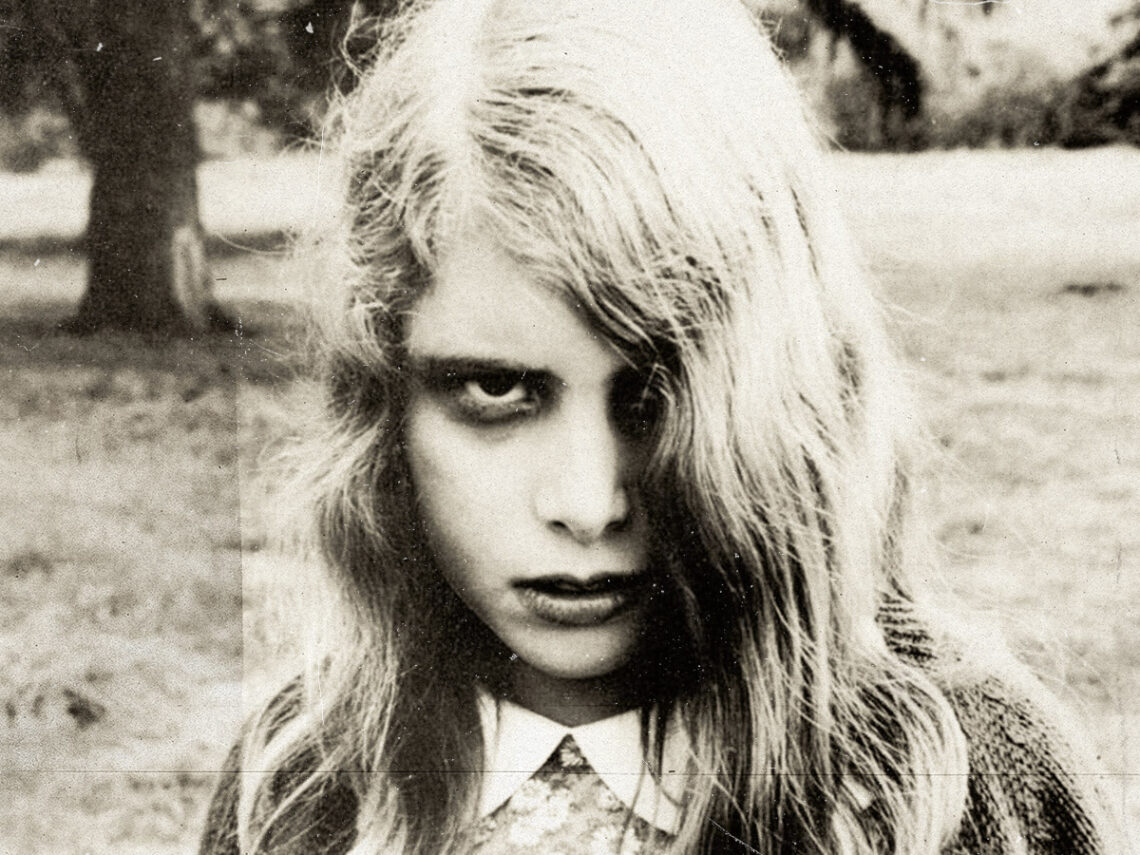
How George A. Romero crafted the score for ‘Night of the Living Dead’

Vinyl copies of the Night of The Living Dead score are notoriously hard to come by, or at least they were until Waxwork records released their 50th anniversary pressing back in 2018. Still, it seems strange that it took so long for one of horror’s most impactful scores – one on par with Bernard Hermann’s Psycho – to get a proper release. Below, we join George A. Romero as he explains how he came to select the music for the pioneering zombie flick.
Night of The Living Dead was made on a shoestring budget. As a first-time director, Romero barely had enough money to complete the project, let alone hire a composer to write a score. “The finished film played…mmm, pretty well, but something was missing,” he writes in the forward to Unusual Sounds: The Hidden History of Library Music. “It needed music.”
To see Night of The Living Dead through to completion, Romero decided to partner with Hardman and Associate, a local audio production company. Karl Hardman “ended up playing the despicable Harry Cooper in the film,” while two of his colleagues, Marilyn Eastman and Judith Ridley, were cast as Helen Cooper and Judy. “This was truly a homegrown production,” Romero writes.
“As it turned out, Karl’s audio company had hundreds…I might say thousands (it seemed like thousands)…of records, vinyl discs that contained countless hours of music,” the director continued. “None of it was specific to any film, but there were passages titled ‘Anticipation,’ ‘Suspense,’ ‘Sudden Shock.'” This was very good news for George. “The composers of all this music had conjured the needs of low-budget filmmakers and had provided scores that could be bought for a fraction of what it might cost to hire a composer and/or an orchestra. Each ‘needle drop’ cost a prescribed amount of money that was easily affordable.”
And so, without doing anything, Romero inherited one of horror’s greatest scores. For the next few weeks, George and Karl listened to countless recordings from the music library, auditioning them against scenes from the finished film. “Informed, I suppose, by Captain from Castile, Mockingbird, and The Quiet Man, I constructed a score that I believed to be not only cohesive but supportive of the film’s narrative. I like to think that I, with Karl’s help, pulled passages from those library tracks that served our film almost as well as if we had been able to hire a composer.”
You can listen to the full score below.
