


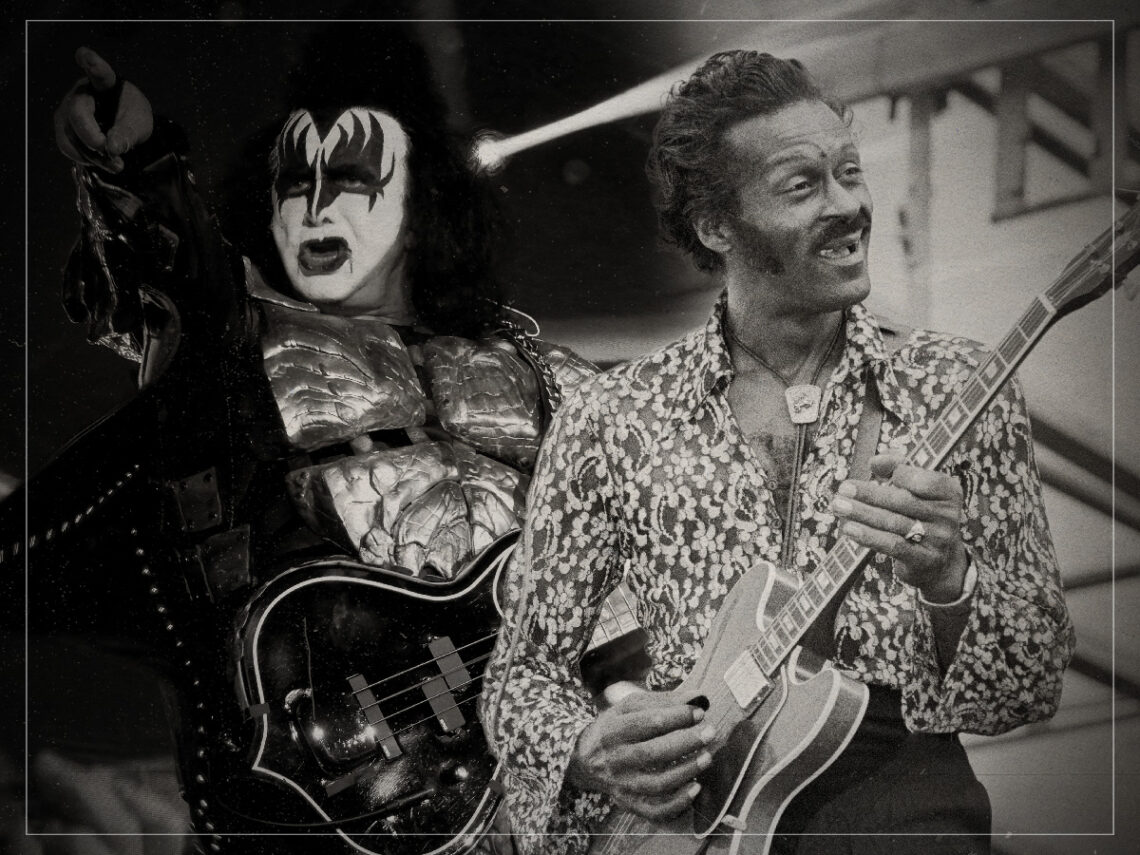
Why Gene Simmons thought Chuck Berry was unequalled and how rock changed forever

Kiss bassist and co-founder Gene Simmons stands at the centre of a complicated presence in rock lore, but one thing that can be said about his ethos in music is the veneration for rock and roll’s elemental alchemy first plugged in during his 1950s youth.
As far as Simmons is concerned, little else needs to be added. A formula burnished with white-hot perfection over 70 years ago, everything that follows across glam and heavy rock that Kiss have chartered a course through follows the essential terrain first pioneered by the likes of Elvis Presley, Little Richard, Fats Domino and Buddy Holly when popular music was born in earnest.
It’s few and between to ever see Simmons choke up, but a lump in the throat was clearly felt when Simmons offered a word at Chuck Berry’s funeral in April 2017. Lying in an open casket with his trusty cherry-red Gibson ES-355, the ‘Johnny B Goode’ singer was given a send-off at St Louis’ The Pageant with as many as 300 attendees present, Simmons offering an impromptu speech when taking the stage at the last minute to pay his respects.
“I wouldn’t be here, and everything that became this huge thing called rock and roll started with a guy who just wanted to make people feel good,” Simmons stated candidly, before attempting a quick duckwalk as Berry unleashed in his 1950s heyday.
Simmons isn’t a man of too many words, nor is he prone to flowery gestures of any kind, but a lot can be unpacked from his terse statements. It’s no surprise that Simmons finds Berry’s supposed apolitical front so appealing, considering critical recent statements made regarding artists in the public profile, making comments to the press about the status of the world or America’s political turmoil.
Such an appreciation for rock’s escapism hovers all over Kiss’ songbook, he and Paul Stanley penning numbers chiefly about girls, rockin’, and the occasional soppy ballad in their ‘Kissography’.
He doesn’t spend too long on stage. His voice quavering, Simmons instead lets Berry do the talking, quoting a brief snippet of 1956’s ‘Roll Over Beethoven’ before bowing out gracefully. Ending the moment overwhelmingly on Berry’s rock legacy over any sentimental spotlight, it’s clear what Simmons thinks of the rock and roll pioneer, that his entire life and career owes everything to his work back in that early 1950s formation of America’s music’s entrance to the modern era.

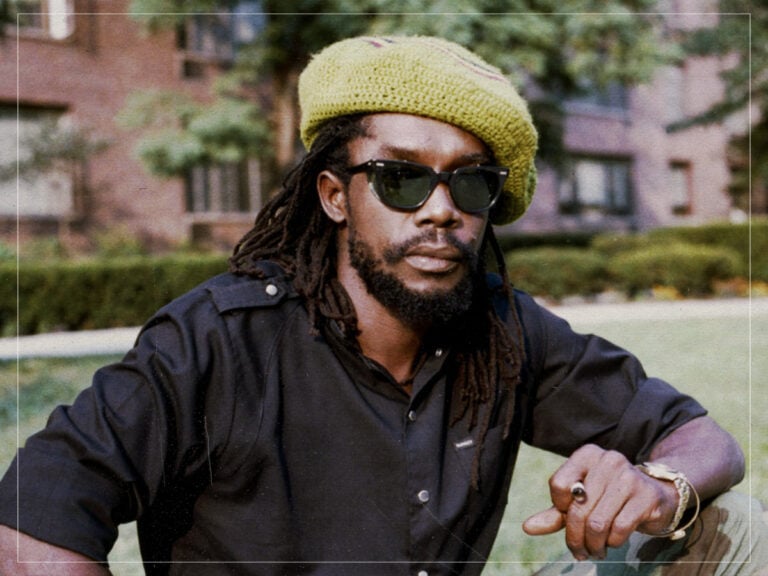
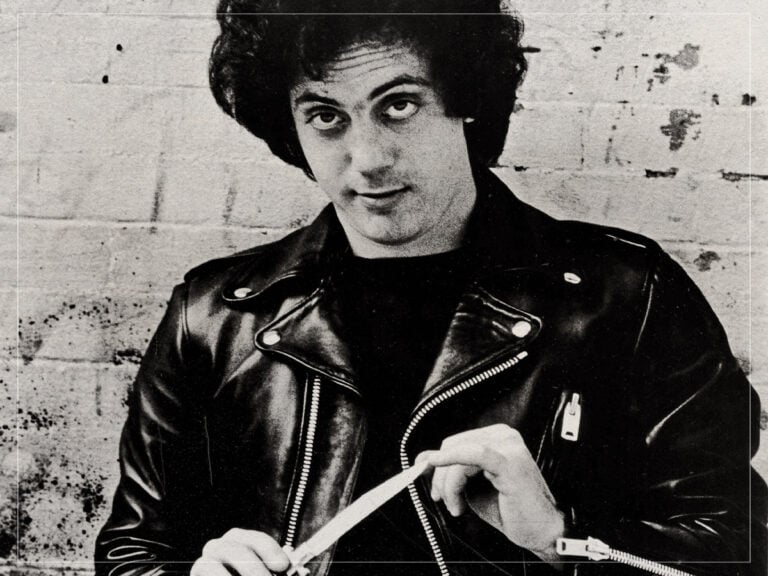
Everybody has echoed similar feelings: Bruce Springsteen, John Lennon, Bob Dylan, Leonard Cohen, and Stevie Wonder, just some of the many rock and pop heavyweights championing Berry as modern music’s foundation. Simmons has spent his entire life chasing the Berry formula, keeping the Kiss machine powered by an unerring devotion to the simple and primal example set by the Missouri duckwalker.
Such an exemplary force in music wasn’t lost on NASA’s Voyager projects. When collating the cultural and indigenous musical recordings to represent Earth, the team selected only one rock and roll inclusion, Berry’s ‘Johnny B Goode’, sent out into space for the potential of aliens becoming hooked on the rock and roll pioneer just as much as Simmons and every 1950s teen had all those years ago.
