


The fundamental problem with the movie star biopic

Recently, images were released for the upcoming movie, Dinner with Audrey, which stars New Zealand actor Thomasin McKenzie as Audrey Hepburn and Ansel Elgort as her longtime friend and collaborator, Hubert de Givenchy. McKenzie has never given a bad performance.
At just 25, she’s already shown that she is a formidable talent with movies like Debra Granik’s Leave No Trace, Edgar Wright’s Last Night in Soho, and Jane Campion’s The Power of the Dog. She will almost certainly do great work in Dinner with Audrey, but there is another problem that not even the greatest actor in the history of acting can solve: movie star biopics are, by definition, doomed to failure.
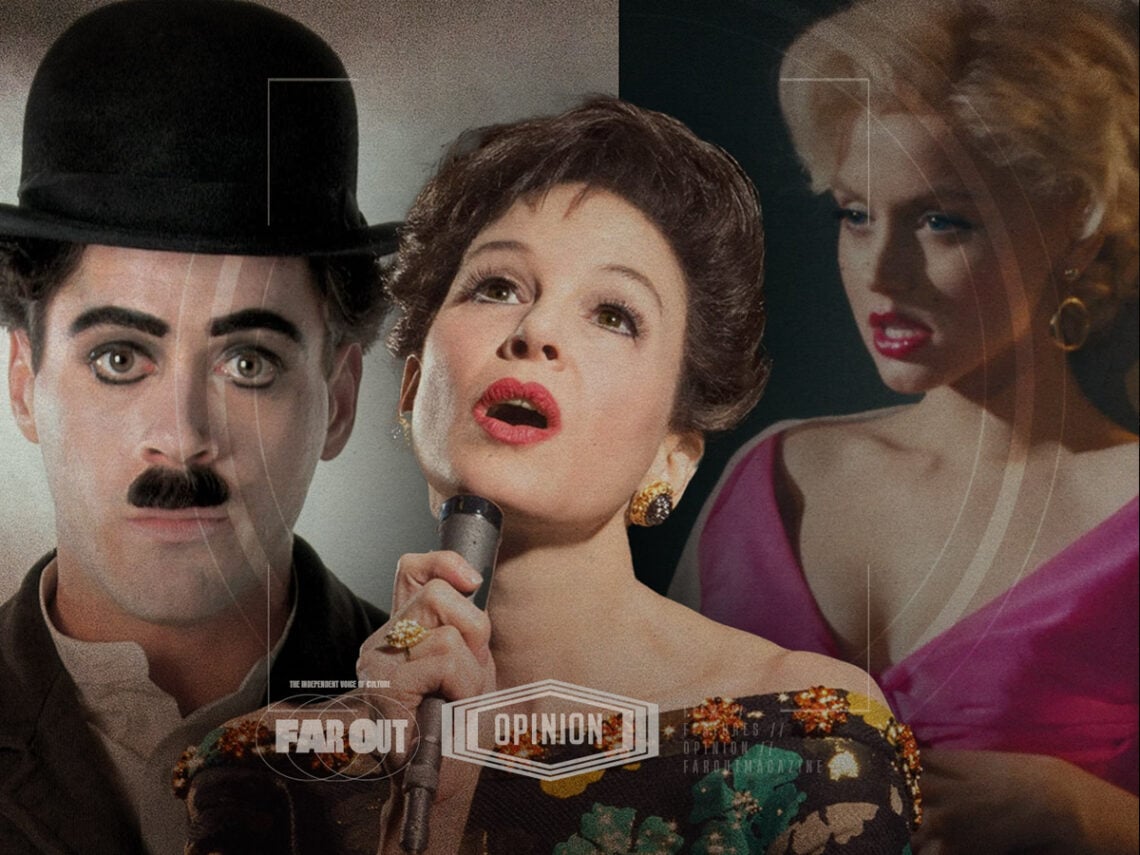
There have been many approaches to the problem. At best, the filmmakers find an actor who disappears into character and a script that follows the Wikipedia page, minus the tricky bits. The Academy loves to reward the performances in these movies, if not the movies themselves. 1992’s Chaplin, starring Robert Downey Jr, and 2019’s Judy, starring Renée Zellweger, fall into this category and are simply redundant rather than offensive or laughable.
Then, there are the ones that hinge on their stars and suffer accordingly. Nicole Kidman and Javier Bardem as Lucille Ball and Desi Arnaz do not work because all four of those celebrities are too distinctive to be mistaken for each other. The same goes for Kidman in Grace of Monaco, though that had other problems.
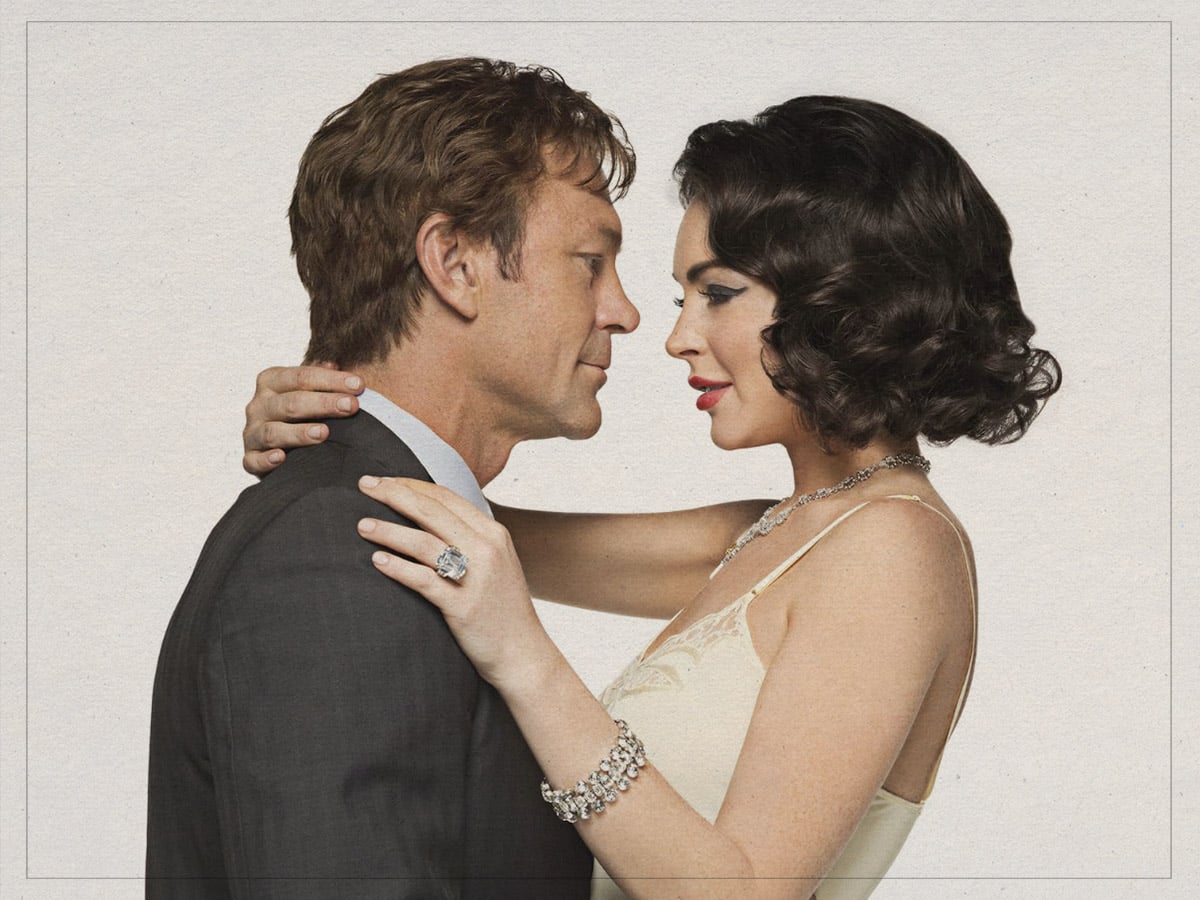
James Franco playing James Dean in a movie called James Dean seemed like nothing more than an obligatory gimmick for a young actor who had a remarkable resemblance to the long-dead star. And no amount of marketing chicanery could convince audiences that casting Lindsay Lohan as Elizabeth Taylor in 2012’s Liz & Dick was anything other than an outright disaster.
Even further down the list are biopics that peddle fiction. To their credit, some of these movies are so heavily fabricated that they simply stand alone as decent movies about Hollywood, minus the names of their lead characters. Mommie Dearest, which starred Faye Dunaway as a Satanic version of Joan Crawford, was based on a heavily criticised memoir by the late star’s daughter that was denounced by two of her other children. Frances starred Jessica Lange as the 1930s actor Frances Farmer, and was about as removed from reality as Jurassic Park.
The worst of the worst are the ones that actively denigrate their subjects. Andrew Dominic’s 2022 Marilyn Monroe biopic, Blonde, is the primary offender, a film that so thoroughly dehumanises Monroe that it oscillates between portraying her as an inanimate sex doll and an anonymous victim of constant abuse. It’s a film about perpetration, and it doesn’t even try to show the woman on the receiving end of it, let alone the artistry that made her a household name.
Even in the best-case scenarios, however, when an actor finds more than a mid-Atlantic accent to explore, and a script shows us something personal and specific, there is a broader problem. Unlike musicians, whose work we encounter and fall in love with through our ears, movie stars cast their spell over us through cinema. Their image, voice, and movement are their art, and we connect to it through the screen. You don’t need to see concert footage of Freddie Mercury to decide that Queen is your favourite band, and when you watch Bohemian Rhapsody, it doesn’t matter that Rami Malek isn’t the moustachioed frontman because it has the real music, and that’s what matters.
Marilyn Monroe, famously, has that star quality that exists only through a lens. There is a reason she is still so famous, just as there is a reason that Elizabeth Taylor, Grace Kelly, and James Dean are still famous. They created magic on camera that was so much larger than life that we compared them to celestial bodies.
Put another actor on screen to play them in a biopic, and you have an inherent problem. The very medium that created our authentic, personal attachment to these stars is now being used for impersonation. At best, it produces the uncanny valley effect, like watching Tom Hanks in that creepy animated version of The Polar Express. Most of the time, it just makes you think of a Saturday Night Live skit.
Sophia Loren tried to solve this problem in 1980 by playing herself in her own biopic, Sophia Loren: Her Own Story, but she turned out to be bad at it. It also featured actors playing other stars, which simply perpetuated the usual issue. Perhaps the best option, if you are absolutely dead set on making a mistake, is to do what Mr Burton and Film Stars Don’t Die in Liverpool do, which is to portray the star (Richard Burton and Gloria Grahame, respectively) either before or after they were famous. Then, at least, you are not showing the version of the person that people connected with.
If you really love the movie star in question, though, just read a well-researched biography. You’ll get much more detail and nuance about the person behind the persona, and you won’t have to constantly re-edit the actor on-screen to look more like the one you actually want to be watching.
