


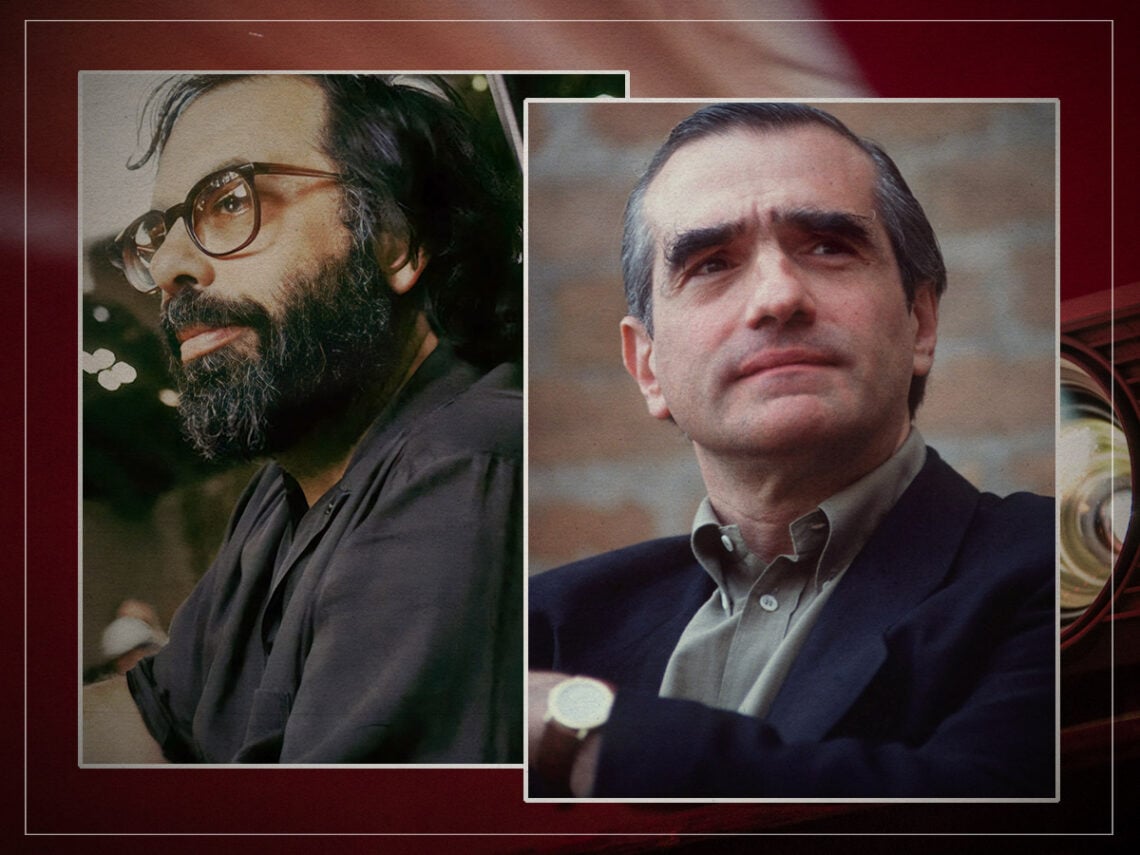
Why Francis Ford Coppola wanted Martin Scorsese to direct ‘The Godfather Part II’

The 1970s allowed Francis Ford Coppola to deliver an incredibly impressive cinematic home run that few have rivalled. I mean, who else has gone from The Godfather to The Conversation, then The Godfather Part II and Apocalypse Now?
Coppola’s career arguably peaked too fast because he has never been able to top the heights that he reached during this transformative decade for cinema. Four great films were all he needed to secure his legacy for life, although the filmmaker initially had Martin Scorsese in mind to direct one of these classics.
It’s hard to picture a world where Coppola didn’t helm The Godfather Part II, but rather a pre-Taxi Driver Scorsese. While Scorsese surely would’ve been suited enough for the task, would the filmmaker, who was still relatively new to making features at this point, have been able to follow up The Godfather with a sequel as legendary?
That’s a question that will surely divide New Hollywood aficionados, because Scorsese’s Mean Streets, released the year before The Godfather Part II, proved him to have the directorial chops to create a poetic, nuanced look at crime, family, and religion. Scorsese’s ideas weren’t so far-removed from the mafia family world in which The Godfather trilogy takes place, so it’s not hard to see why Coppola could see real potential in Scorsese helming his sequel.
You see, Coppola never wanted to direct the sequel when it was first proposed. “I said I didn’t want to have anything to do with Paramount Pictures or Bob Evans. I didn’t want to have anything to do with gangsters. I could say that because I now had a couple of bucks,” he told Deadline.
Adding, “Finally, I said, ‘Here’s what I will do…’ I loved Mario Puzo—he was a wonderful man and I really liked working with him. I said, ‘I’ll work with Mario, and we’ll make a script for a second Godfather movie, but I don’t want to direct it. I’ll help produce it and I will choose a young director that I think would be great, and you could have what you want.’”
Thus, Coppola suggested the burgeoning Scorsese, having enjoyed the work he’d made so far. The success of the first Godfather film meant that a gamble like this couldn’t be made when dealing with such a potentially huge movie; the last thing that Paramount wanted was a sequel that crashed and burned.
He recalled, “When the time came, I went to them and I said, ‘We have a script and I’ll tell you the director who should do it.’ Everything I tell you, to my knowledge, is true. ‘This young director, I think, is a fabulous talent…’ They said, ‘Fine, who is he?’ I said, ‘Martin Scorsese.’ They said, ‘Absolutely not. That’s outrageous.’ So I told them to forget it. Goodbye. Then the whole deal was off.”
Coppola, of course, took on the job after all, and the result was a movie that many consider one of the greatest of all time, arguably better than its predecessor. Would Scorsese and Coppola both have found such impressive amounts of individual success if Coppola had ditched The Godfather Part II and had Scorsese in charge?
Everything seemed to work out perfectly because Scorsese had time to focus on projects like Mean Streets and eventually Taxi Driver, which even won the Palme d’Or, while Coppola’s reputation as a Hollywood legend was firmly cemented.
