


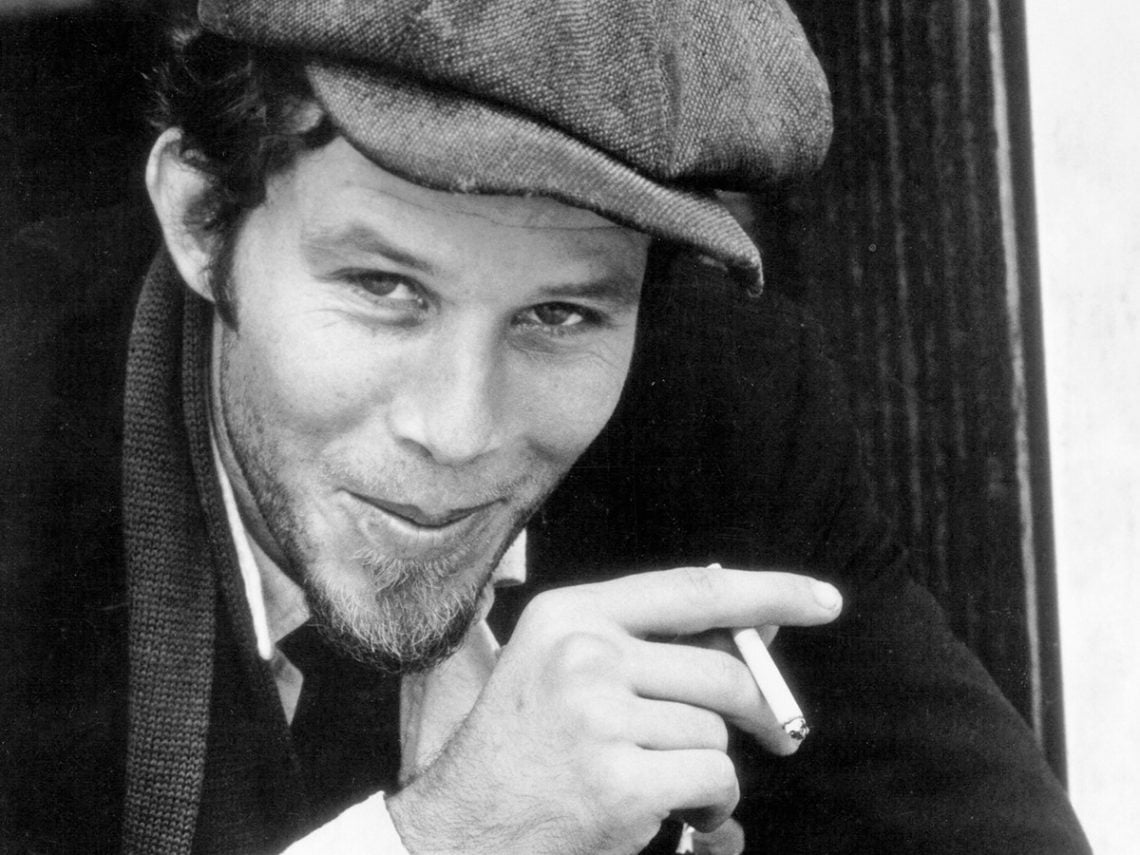
How did Francis Ford Coppola save Tom Waits’ life?

By 1979, Tom Waits‘ relationship with Rickie Lee Jones was all but over. The pair had met just two years before at The Troubadour. Back then, Jones was still performing in bars and coffeehouses, but with the release of her debut self-titled album, things started to pick up. Her single ‘Chuck E.’s In Love’ soared to the top of the singles charts, putting a strain on the couple’s fragile relationship and propelling Jones’ nascent heroin addiction. The pair dragged things out for a few months before finally calling it quits during the first leg of Jones’ European tour. Waits fell into a half-life but was saved with a little help from his friend and collaborator, Francis Ford Coppola.
Following the breakup, Waits relocated to New York, where he rented a room in the Chelsea Hotel. He’d barely made himself comfortable when he received a call from Francis Ford Coppola asking him to return to Los Angeles. The director was working on his forthcoming film, One From The Heart, and he wanted Waits to write the soundtrack.
In Lowside of The Road: The Life of Tom Waits, Barney Hoskyns explains that Waits was both excited about the project and fearful that it might be a step in the wrong direction, with Coppola asking Waits to replicate his early style on albums like Closing Time. He eventually accepted the offer and travelled to Los Angeles to start work on the soundtrack, taking a room in Coppola’s purpose-built studio.
While working on the film, Waits was introduced to a young Irish-American assistant story editor, Kathleen Brennan. A week later, they were engaged to be married, and in August 1980, they tied the knot at a 24-hour wedding chapel on Manchester Boulevard. It was around this time that Waits penned his Heart Attack and Vine classic ‘Jersey Girl’, a rare example of a romantic ballad in the Waitsian mode. “You know she thrills me with all her charms,” he sings, “When I’m wrapped up in my baby’s arms / My little girl gives me everything / know that some day she’ll wear my ring.”
Waits would later credit Brennan (and, by extension, Coppola) for “saving” him. “Kathleen was the first person who convinced me that you can take James White and the Blacks, and Elmer Bernstein and Leadbelly – folks that could never be on the bill together – and that they could be on the bill together in you,” Waits said of Brennan’s impact on music. “You take your dad’s army uniform and your mom’s Easter hat and your brother’s motorcycle and your sister’s purse and stitch them all together and try to make something meaningful out of it.”
