


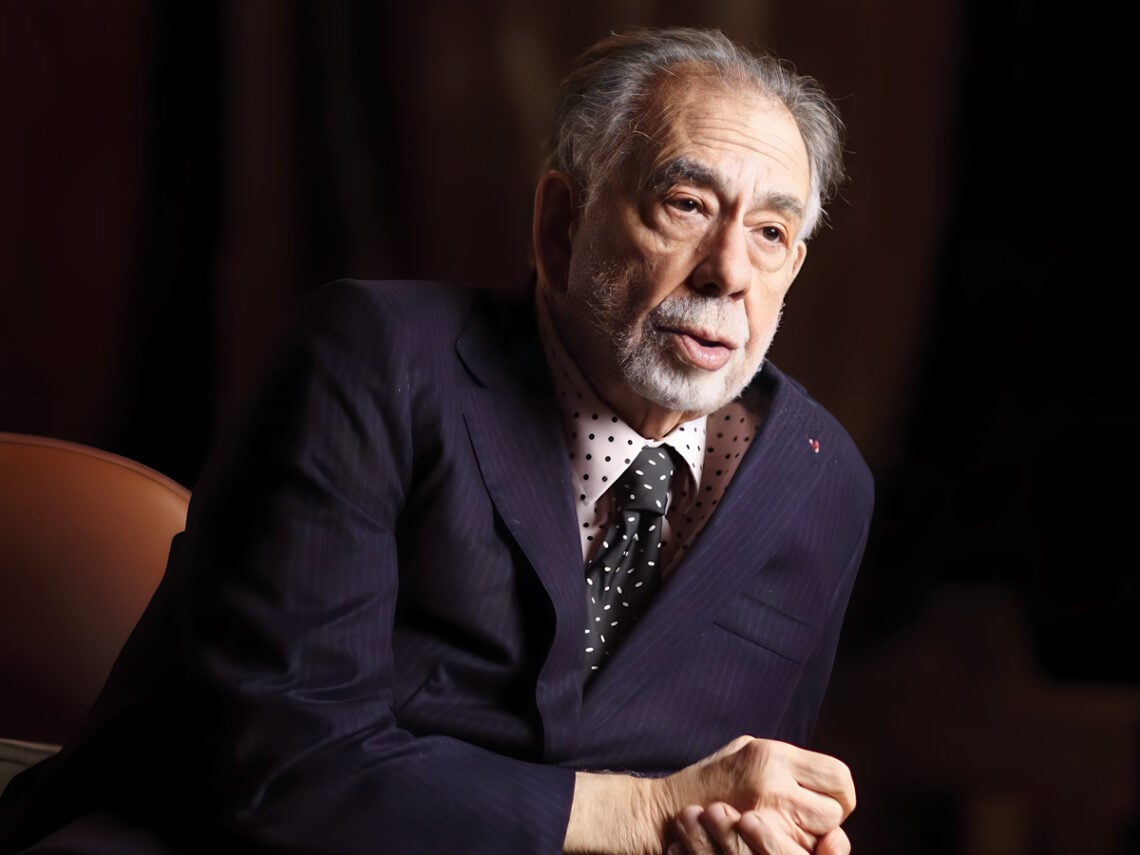
Francis Ford Coppola compares ‘Megalopolis’ negative reaction to ‘Apocalypse Now’

As a director who has always had a reputation for betting big on himself for better or worse, Francis Ford Coppola was never going to let the polarising reception to his long-gestating epic Megalopolis get under his skin.
After all, this is a filmmaker who was forced to leap over countless obstacles to make The Godfather, which came out on the other side as one of the greatest movies ever made. Apocalypse Now was an even more troublesome production, yet the end result was identical when the war epic secured masterpiece status.
On the other side of the coin, Coppola is also the guy who drove himself to bankruptcy more than once trying to usher in cinema’s next revolution. However, at least he’s wealthy enough at this stage to know that funding the bulk of Megalopolis‘ hefty budget out of his own pocket isn’t going to place him on the precipice of financial ruin once more.
It’s a passion project by every possible definition of the term and one that isn’t going to turn a single penny of profit. The initial reactions to the film were largely that of bemusement, running the gamut from the film being heralded as Coppola’s work of genius to being lambasted as one of the worst pictures of the modern era.
All art is entirely subjective, of course, and Coppola knows better than most that time can often be the greatest barometer in determining a feature’s legacy. However, comparing the early vitriol that’s been greeting Megalopolis to the way Apocalypse Now took a minute to settle down as a classic seems a stretch, even by his supremely confident standards.
“The truth is that I find the experience of Megalopolis existing and being seen by an audience very similar to what it was like when I made Apocalypse Now,” he explained to Forbes. “When Apocalypse Now came out, people saw it and said, ‘Wow, what the hell is it?’ There was an ambivalent confusion because it was clearly a film not made with any rules.”
“With Apocalypse Now, the experience was like, ‘Wow. I have got to see it again’. People went to see it again because it wasn’t boring; it was unusual, and they’re still seeing it 40 years later. The same thing has happened with Megalopolis,” he continued. “Because it’s not really boring, they’re willing to see it again. My hunch is that people are going to see it again, and each time they see it, it becomes a different movie because it has a lot in it that is not apparent in the first viewing.”
An admirable statement of intent, but the obvious counterpoint is that not a lot of people have even bothered to see Megalopolis once, never mind turning up for repeat viewings. The box office returns were dismal, and it remains to be seen if future generations will talk about it in the same hushed and reverential tones as Apocalypse Now.
Francis Ford Coppola’s rocky road towards Megalopolis
Coppola’s ambitious dystopian drama is an idea he’s been nurturing for 40 years, and having repeatedly teased it over the decades, the veteran auteur finally threw caution to the wind and made it a reality at the not-inconsiderable cost of $120 million.
However, even when principal photography had been completed, there were plenty of hurdles left to clear. The reception to its maiden screening was so unenthusiastic that Megalopolis struggled to find any company willing to back it for distribution, a saga that rumbled on for months until Lionsgate stepped in.
There was also the controversy over the marketing using fake quotes generated by AI, the allegations of inappropriate behaviour on set levelled against Coppola, and then an opening weekend that would be disastrous under any other context were it not for the fact Megalopolis‘ writer and director couldn’t care less that he’s not going to see a return on his investment.
There are definitely shades of Apocalypse Now in certain respects, but it’s hard to see Coppola’s latest clawing its way towards the same levels of adoration as his all-time great war story.

Never Miss A Scene
The Far Out Film Newsletter
All the latest film news from the independent voice of culture.
Straight to your inbox.