


‘Fool on the Hill’: exploring the philosophy of an understated Beatles classic

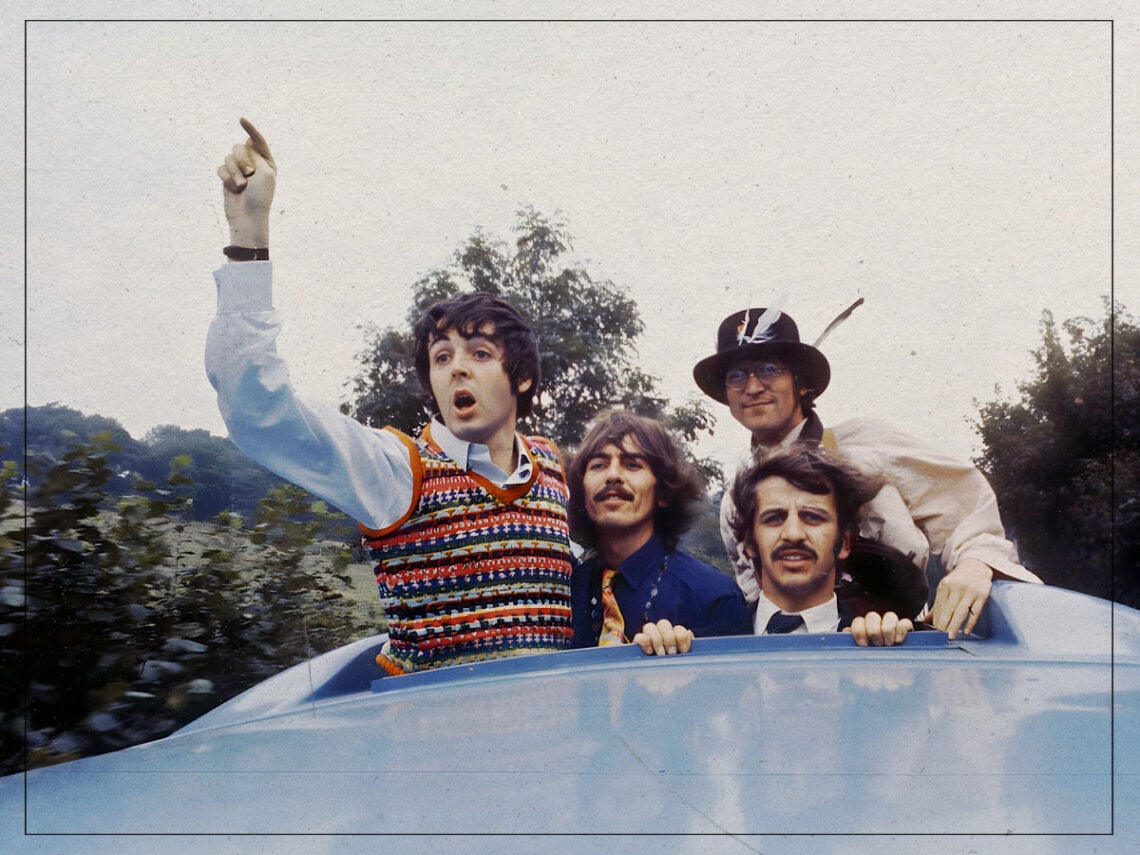
By the time of their 1967 Magical Mystery Tour EP and experimental film project, the days of The Beatles‘ live sets lost in a sea of screaming hysteria seemed like a distant memory. The enormous creative strides forged by the band belied how little time had passed, Beatlemania still at its peak less than two years prior and their punishing touring schedule finally grinding to a halt only nine months before their ‘Summer of Love’ opus Sgt Pepper’s Lonely Hearts Club Band.
Moving away from the ‘Fab Four’ and embracing headier subject matter, the psychedelic sign of the times brought The Tibetan Book of the Dead and Hindu spirituality to the group’s combined songwriting efforts. Similarly soaking up the far-out influences swirling around the counterculture The Beatles were immersing themselves in, Paul McCartney conceived one of the most evocative and melancholic pieces of his career, straying into the mind-expanding conceptual terrain of ‘I Am the Walrus‘ or ‘Blue Jay Way’ but refined with McCartney’s sharp gift for radiant melodies.
Opening side three of the original UK double EP and memorably accompanied by the film’s sequence of McCartney’s introspective wander around the Nice mountainside, ‘The Fool on the Hill’ details the titular ‘dunce’ and their lonely navigation of a world they never made, masking an inner wisdom clued-up to the inanity of a world spinning in the wrong direction. “The man of a thousand voices talking perfectly loud” reveals the many dimensions of the ‘fool’ lost to those too busy to pay attention.
The track is partially inspired by the Dutch design collective founded by Simon Posthuma and Marijke Koger, responsible for the extravagant exterior of Baker Street’s Apple Boutique store and Eric Clapton’s colourful Gibson SG guitar during Cream’s 1967 US tour.
The Fool took their title from the arcane Tarot card archetype, typically a character without a value that can often be played as a ‘top trump’ or lowest value according to the tricksome nature of ‘Le Mat’ in the Marseilles Tarot tradition. In 1910’s The Pictorial Key to the Tarot, British poet and mystical dabbler AE Waite associated the Fool with: “Folly, mania, extravagance, intoxication, delirium, frenzy, bewrayment. (If the card is) Reversed: Negligence, absence, distribution, carelessness, apathy, nullity, vanity.”
Another prominent figure in Beatles lore also found its way into shaping the wistful piece. “‘Fool on the Hill’ was mine, and I think I was writing about someone like Maharishi. His detractors called him a fool. Because of his giggle, he wasn’t taken too seriously. It was this idea of a fool on the hill, a guru in a cave, I was attracted to,” McCartney stated in his 1997 memoir Many Years From Now. “I was sitting at the piano at my father’s house in Liverpool hitting a D 6th chord, and I made up ‘Fool on the Hill'”.
The founder of Transcendental Meditation and its worldwide movement, Indian guru Maharishi Mahesh Yogi was travelling the world by the late 1950s, spreading the good word of his sage enlightenment and winning scores of devotees who afforded him the honorific ‘His Holiness’. Hungry for higher consciousness beyond copious LSD use, George Harrison encouraged the group to attend one of Yogi’s lectures at London’s Hilton, all so enamoured they travelled to Bangor along with the guru to further their education on TM along with Mick Jagger, Marianne Faithfull, and Cilla Black.
Recording ‘Fool on the Hill’ in the autumn of 1967 and heading to Yogi’s ashram in Rishikesh the following February, Yogi was dubbed The Beatles’ spiritual advisor by the press for a period. Goodwill souring after allegations of sexual misconduct toward Mia Farrow, The Beatles soon left, the rumours inspiring another of their classic cuts, John Lennon’s acerbic ‘Sexy Sadie’ from that year’s self-titled double LP. ‘The Fool on the Hill’ still stands as one of McCartney’s finest gems, however, perfectly marrying his knack for imbuing esoteric depth slyly behind polished pop excellency.

Never Miss A Beat
The Far Out Beatles Newsletter
All the latest stories about The Beatles from the independent voice of culture.
Straight to your inbox.