


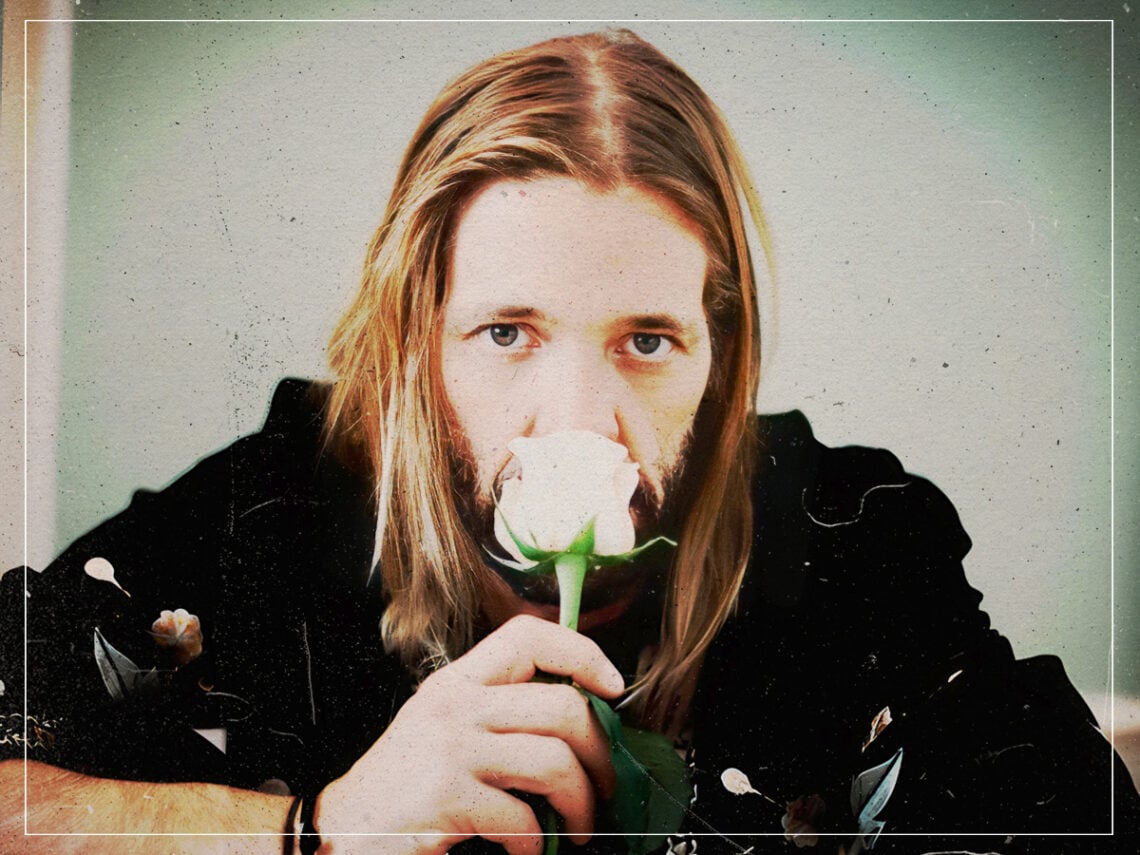
The Foo Fighters song that “directly lifted’ from a Rush classic: “I’m sorry I stole that from you”

While they might have been ostensibly a prog-rock outfit, Rush delved into many different vistas in their time, from hard rock to electronic. A vastly dynamic trio that packed more of a musical and rhythmic punch than most of those they are artistically associated with, this inherent range stood them in good stead from the beginning. It allowed them to dodge many obstacles that would have seen others fail, from the record label wanting to drop them to the stark change of the zeitgeist.
The essence of Rush was soldering undoubted technical ability with originality and an undying love of the craft, which created palpable energy. This tantalising vibe was brought forth by Geddy Lee’s locomoting basslines, Alex Lifeson’s constant riffing and Neil Peart’s elemental drumming, and captured the imaginations of people who otherwise would have had little in common. From former miners in South Yorkshire to Hollywood stars such as Paul Rudd, few groups can claim to have crossed the diverse global topographies and cultural landscapes as extensively as the Toronto group.
As Rush is a name that resonates from Brazil to the South China Sea, the group has tremendously impacted music in ways fans wouldn’t necessarily expect. Bringing this into focus is that outside of the weird and wonderful world of prog, he has directly influenced the development of hardcore punk through Cro-Mags’ Parris Mayhew, the evolution of alternative metal via Faith No More legend Jim Martin, and perhaps most importantly of all, been a crucial driving force in Metallica frontman and guitarist, James Hetfield conceiving his approach to the fretboard.
Yet, for all of Rush’s myriad effects on culture, the late drummer Neil Peart has had the most direct individual consequence. Whether it be ‘2112’, ‘La Villa Strangiato’ or ‘YYZ’, he did more than enough to be granted access into the clubhouse of the drumming greats and take up a perch at the bar next to those who had galvanised him, such as John Bonham and Gene Krupa. He, like those who came before, understood that to stand out as a drummer, technical ability was not enough on its own; it was about fusing influences, invention, and, most significantly of all, serving the song. An exemplary figure, Peart’s burst of technical fire were launched within the context of the composition and never to outdo his bandmates.
This philosophical underpinning spoke to many drummers, who emerged in a world much different from the one where Peart came to light. Arguably, the most famous of this subsequent set of acolytes was the late Foo Fighters powerhouse Taylor Hawkins. A hard-rock hero in his own way who loved the theatrics of Queen as much as he did Jane’s Addiction’s narcotic surrealism, it was no surprise that Dave Grohl’s band vastly improved once he entered the fold, as his own technicality was merged with an expansive taste in music.
Hawkins recorded eight albums with Foo Fighters between 1999 and 2021, starting with One by One and culminating with Medicine at Midnight. Although fans of the band can pick out numerous Hawkins moments, one that is frequently mentioned among his best is ‘Rope’ from 2011’s Wasting Light, a song also remembered for the video that was filmed inside a white cube featuring an array of flashing lights.
Not long after Wasting Light arrived, Hawkins revealed that his groove in the chorus of ‘Rope’ was pinched from Peart’s timeless performance in ‘The Spirit of Radio’, one of the Canadian’s ultimate moments. However, he also maintained that it wasn’t his idea but Dave Grohl’s, another lifelong fan of Peart’s, who was convinced to drum by him.
“The chorus beat in [Foo Fighters’ 2011 song] ‘Rope’ is a paradiddle, directly lifted from Neil Peart,” Hawkins told Modern Drummer in 2011. “It’s ‘The Spirit of Radio’ all the way. When we were doing the demo for ‘Rope,’ everyone thought it was my idea. But I have to say to Neil Peart in Modern Drummer: I’m sorry I stole that from you, Neil, but it was Dave’s idea to do that, not mine.”
That was the immense power of Rush and Neil Peart. The two greatest drummers in Foo Fighters’ story, Hawkins and Grohl, were both lifelong fans, to such an extent that they could appropriate Peart’s ideas and recontextualise them within their own-stadium-filling sound, and no one would have ever known.
Listen to ‘Rope’ below.
