


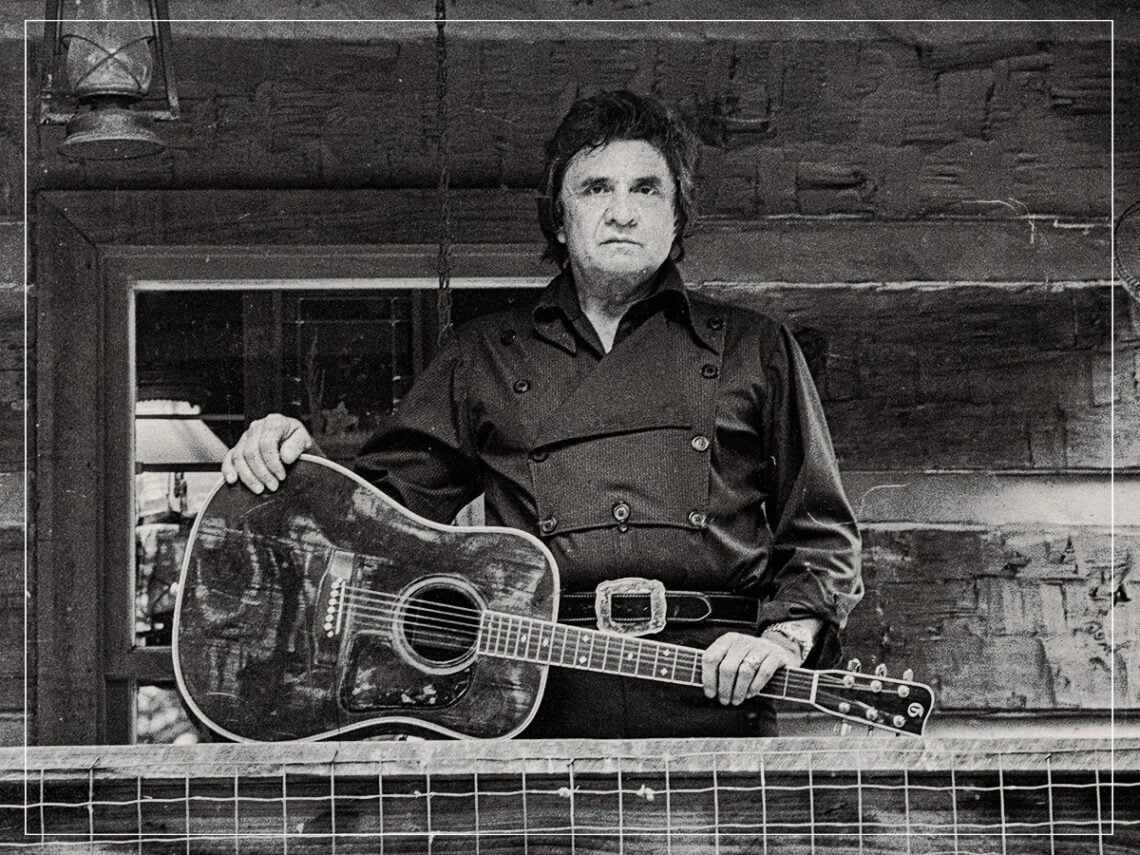
‘Folsom Prison Blues’: the glaring oversight in Johnny Cash’s classic

Like most art, some of the best music in history requires a degree of suspended belief. In storytelling, if the narrative and the tools used are strong enough, it’s easy to overlook certain flaws and let enjoyment lead the way. While ‘Folsom Prison Blues’ is widely regarded not just as one of the greatest Johnny Cash songs but as one of the best in history, there’s one part that still raises questions.
‘Folsom Prison Blues’ is one of the few songs in history that actually transcends the confines of a song. A true piece of art, it showcases the many sides of Cash’s artistry, from his interest in the lives of inmates and outlaw aesthetic to his penchant for blending emotions like guilt and longing into vivacious storytelling. It’s layered not just because it converges all of the above but also because it captures the paradoxical nature of contemporary country music.
After all, the song doesn’t make any grand sweeping statements, nor does it quell any of the societal themes it seems to tap into. Instead, it unfolds like an open diary entry, pushing you to take it or leave it—confident in its own raw grittiness. In the story, the narrator recalls shooting someone “just to watch him die” and now must face the consequences while longing for freedom.
It’s not something that we would easily sympathise with— murder in cold blood—but that’s beside the point. Rather than exploring what it means to have performed such a treacherous act, Cash navigates how regret can change a person, leading them to the fatal confines of a prison cell for acting on impulse. Once faced with freedom, the narrator has to live with their crimes for all time with nothing more than their thoughts to keep them company.
However, while the song remains one of the most popular of all time, there’s one thing that feels amiss—even though it’s stated in the lyrics. The narrator says he killed someone for the sake of it, but that itself feels vague. He’s serving time for his crime, yet we seem to be missing a broader context to the story. Was it in cold blood? Or is there an entire narrative Cash omitted to maintain a sense of mystery?
Cash’s fugitive image always lent itself to these elements of inexplicable intrigue, especially regarding storytelling and typically country-esque melancholy. Many of his songs tackle themes like guilt and regret, and yet something about ‘Folsom Prison Blues’ seems to surge ahead with its own oversight. We don’t necessarily need to know why this person did such a thing, but the lack of detail leaves an eerie absence that makes the whole thing feel even more startling.
Without any sense of resolution, the song becomes more about desensitisation to violence than anything else, where ambiguity opens doors to endless questioning. After all, the narrator only seems to feel remorse for losing his freedom rather than taking a life, providing an interesting shift in Cash’s broader view of storytelling. Ultimately, it signals the inner workings of a complex mind riddled with nuances.
