


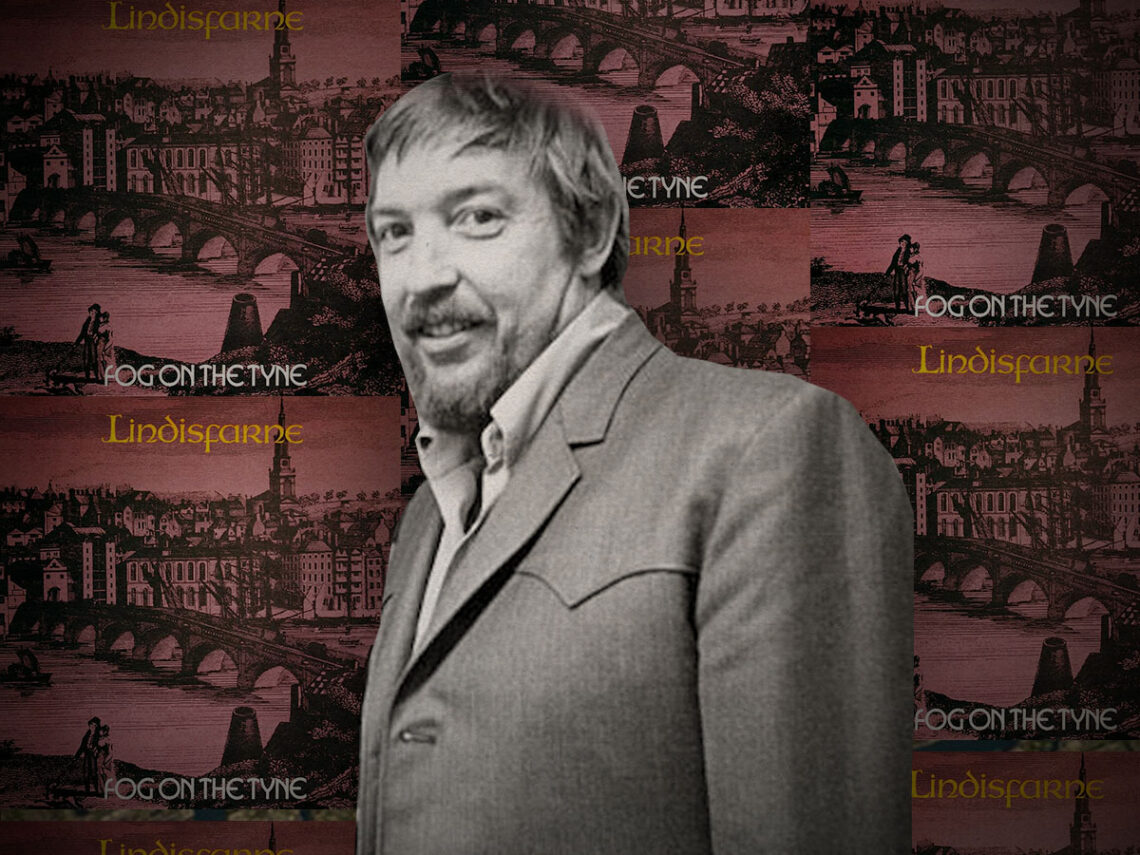
‘Fog on the Tyne’: The folk song that resigned Bob Johnston to life in a castle

If you can’t sing ‘Fog on the Tyne’ in anything but a horrific Geordie accent that offends the whole of Newcastle in the process, then you probably don’t know enough about Lindisfarne.
But in reality, putting the city of the Angel of the North firmly on the map was not truly the jewel in the crown of the band’s efforts. Their 1971 album of the same name broke them to the UK scene, spent four weeks at the top of the charts, and created a signature song, but did it buy any of them a castle? For producer Bob Johnston, it did.
This rather bizarre turn of events, no matter how random it may have seemed on the outside, was no act of coincidence for the music mogul. After all, he had spent years as the right-hand man to Bob Dylan, Leonard Cohen, Simon and Garfunkel, and Johnny Cash – he didn’t need more plaudits. Some historic property, however, was a nice addition.
And so the story went that Charisma record label boss Tony Stratton-Smith wound up on the steps to Johnston’s Nashville home one night, begging him to come and work with this freshly-discovered diamond of a folk band he’d found in England, that he was trying to polish. But the producer wouldn’t go transatlantic for nothing.
“I have a castle in Crowborough,” music executive turned master negotiator Stratton-Smith told him. “If you record the group and get them to 99 on the charts, you can come and live in the castle for a month.” There was a glint in Johnston’s eye, but he wanted more. “What will you give me if I get them a number one?” he replied.
The response? “You can stay there a year.” With that, his bag was packed, and he was on the plane.
You don’t need me to spell out what inevitably happened next. By some form of magic – and gunning for a stately new house for a year – Johnston delivered on his word and got Lindisfarne to the top of the charts, for a whole month no less. And, of course, Stratton-Smith had to keep up his end of the bargain.



You can imagine that when the label boss stood on that house porch in Nashville, he could have never imagined having to give up one of his prized assets for a year in order to get the deal over the line. But then again, those are the lengths that the music industry pushes you to – and the things he would do to see the success of Lindisfarne.
The late, great Alan Hull would have likely been aghast by the shows of decadence on display in the name of his own band. His entire ethos was of being for the people: the working-class everyman who lived in the streets, not in opulent homes. Living in a castle was not just a dream, but beyond the entire imagination.
However, as with many of the monopolies in the music business, it was the jetsetting, star-spangled producer who walked away with the best end of the deal. Johnston may have bagged himself a rather magnificent home out of it, but castle or no castle, there would always be a piece of the Tyne in his heart forevermore.
