


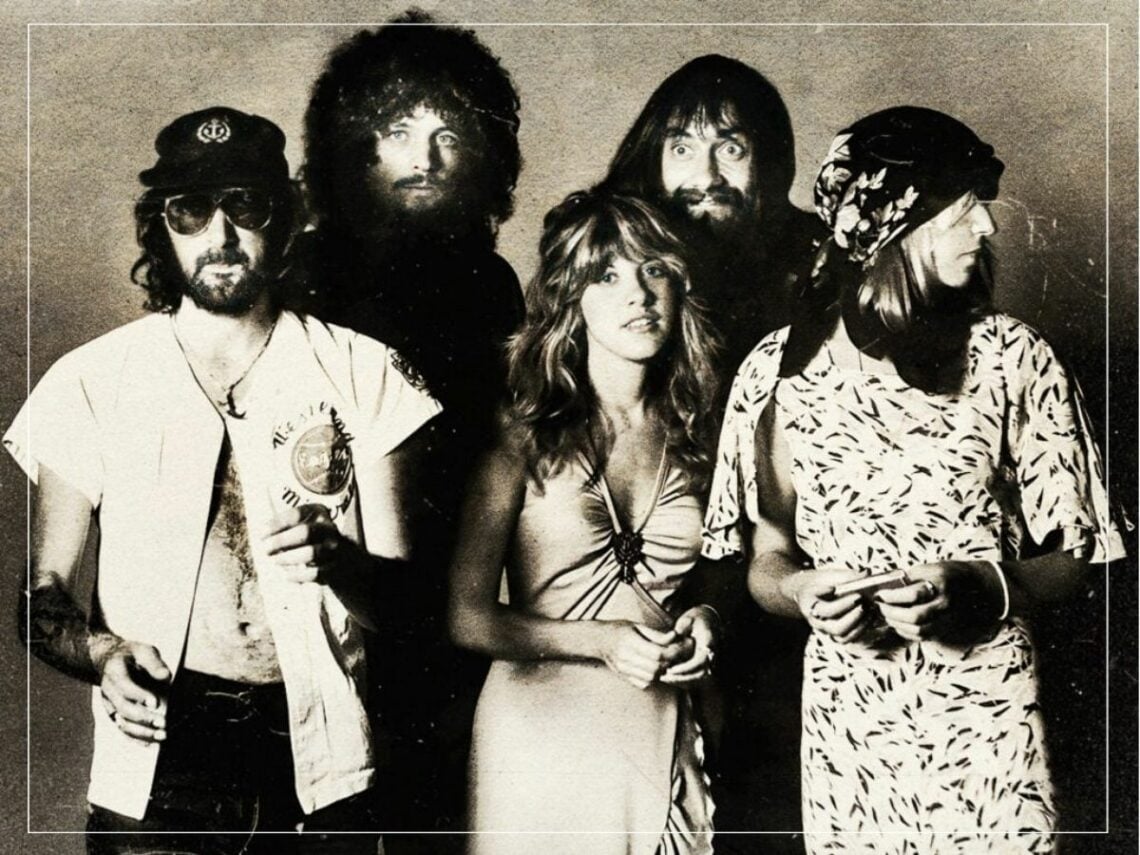
The Fleetwood Mac album Stevie Nicks thought was “so ahead of its time”

Despite the fact that they were very much a 1970s band, Fleetwood Mac weren’t expected to be the next great band of innovation.
While ‘pop’ in the modern context is a much dirtier word, the truth is, in 1977, Rumours was the world’s biggest pop album. Because popular music of that time was steeped in classic rock sensibilities, and on the record, the band provided that. Combined with the necessary songwriting drama needed for a chart-topping record, they became, whether they liked it not, the decade’s masters of pop.
Four out of the five members were largely OK with this reality. Having spent the previous decade endlessly trying to make it in the music business, this new found sense of acclaim through the credible lens of pop-rock was fine by them. But not for Lindsey Buckingham. Upon the release of their magnum opus Rumours, he was keen to move forward and put their critical acclaim firmly in the rear view mirror.
Almost singlehandedly, he plunged the band into the realms of a new, more experimental soundscape in Tusk. They threw away the succinct narrative structure of Rumours and instead embraced the obtuse, an inflated double album that saw them throwing whatever idea at a wall and seeing what sticks.
To many it was a jarring departure from the more conventional worlds of songwriting, and over time, several members of the band have looked back on it with confusion, attributing a large part of its responsibility to Buckingham. But when Stevie Nicks was asked about the album, rather than use her own scepticism as a knife to plunge into Buckingham’s back, she defended the somewhat spiritual element of creating an experimental album.
“It became something so beautiful and so ahead of its time,” Nicks explained of Tusk. “I would have liked to be a fly on the wall, too, when they played it, because they had to be horrified. I was a little horrified myself over that 13-month period, but it was an experience.”
“We were going to the top of the mountain, and it was very spiritual,” she added. “And again, we were having serious relationship problems during Tusk, but when we went into that studio and saw those tusks, and all the amazing stuff we collected and brought in every day, we became part of a world that was fantastic.”
Whereas the tension on Rumours coalesced to make diamonds out of pressure, on Tusk, the diamond was only visible in flickers. There were undoubted moments on sloppy innaccuracy that came from the desperate cobbling together of Buckingham’s ideas, in the face on intra-band conflict.
On the title track, Buckingham certainly taps into something unique, with the inclusion of big band percussion. But that spoke to a wider theme of collaboration that simply didn’t exist on this record. Nicks and Christine McVie’s brilliant songs were shoehorned into Buckingham’s wider project and thus became lost, hostages in this desperate pursuit of innovation.
Rumours was great because of how the band collaborated in the face of conflict. Tusk missed the mark because of conflict’s habit of muddling collaboration. The magic formula was somewhat lost.
