


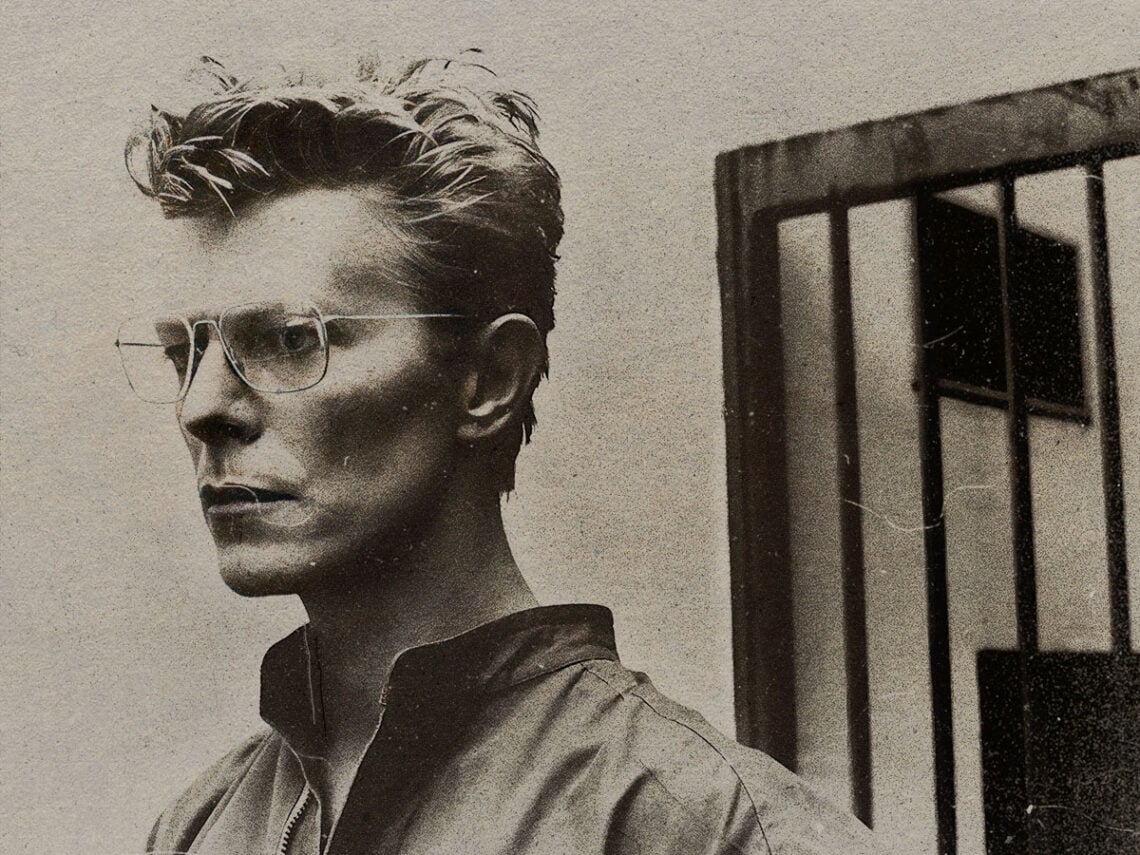
‘Five Years’: The song David Bowie used to mock the future

David Bowie was always interested in character work and concepts. From the controversial theatrics of the Thin White Duke to the derangement of Aladdin Sane, Bowie’s different eras came with a whole new personality. But nowhere was that dramatic streak stronger than on the 1972 album The Rise and Fall of Ziggy Stardust and the Spiders from Mars.
Introducing his Ziggy Stardust character to the world, Bowie transformed himself into an androgynous alien rockstar who crash-landed on Earth before an impending apocalypse to be a symbol of hope and hedonism.
Throughout the album, Ziggy Stardust comes to be worshipped like a messiah before eventually dying due to his own fame and inability to keep a hold of his own behaviours, believed to be a critique of success and a personification of Bowie’s anxieties. From the buzzing joy of ‘Starman’ and ‘Moonage Daydream’ at the height of the alien’s fame, the album descends into darkness before the sad finale of ‘Rock ’n ’Roll Suicide’.
But before all that, Bowie needs to set the scene. In the opening track, ‘Five Years’, the curtain comes up on an almost apocalyptic world. Serving as a prologue to the album’s story, ‘Five Years’ welcomes the listener into a situation where the world, inexplicably, only has five years left before disaster. In the shadow of this knowledge, the earth’s population has descended into panic, violence and desperate attempts at redemption.
While starting small, with uncanny descriptions of a quaint market square, the song begins to spiral into scenes of chaos as mothers hit children and policemen beg at the priest’s feet. Bowie even turns his gaze directly outwards to the listener, singing “smiling and waving and looking so fine/Don’t think you knew you were in this song”, as he places you in the crisis too.
Bowie’s aim was to mock the future, making the idea of an apocalypse seem silly in the Cold War context he found himself in. In 1972, he told NME: “The whole thing was to try and get a mocking angle at the future. If I can mock something and deride it, one isn’t so scared of it.”
He added: “People are so incredibly serious and scared of the future that I would wish to turn the feeling the other way, into a wave of optimism. If one can take the micky out of the future, and what it is going to be like… It’s going to be unbelievably technological.”
In this context, the entire Ziggy Stardust album becomes an exaggerated prediction of the future, with Bowie standing at the centre as a prototype, technological, and futuristic star. “There isn’t going to be a triangle system, we aren’t going to revert back to the real way of life. That’s not going to happen,” he added, talking about embracing the newness of the world.
“It’s certainly not a new thing; my God, I haven’t got any new concept,” he added. “I juggle with them, but what I’m saying, I think, has been said a million times before. I’m just saying again that we’ve gotta have some optimism in the future.”
But before he could play around with technology and optimism later in the record, ‘Five Years’ has to set the scene with a slight sense of dread. To set this up, Bowie turned to his drummer, Mick ‘Woody’ Woodmansey.
Woodmansey told Music Republic about the recording experience, saying: “We chatted about it, and we knew it was about the end of the world and pretty depressing. David said – I need a beat that sets it up for what’s coming. I thought – oh yeah, put it on my shoulders!”
“I remember at the time being a little bit tempted by a nice drum roll and a cymbal splash and a flashy bit – but then I said to myself – it’s the end of the world, you’re not gonna do that!” he added, making sense of the sparse drum beat.
It was perfect, as he continued to explain: “I played us in, and David just said – that’s it! We all just got into the mood of it being the end of the world.”
A song that clearly meant a lot to Bowie as he opened up a whole new character and artistic world; Woodmansey recalled the artist being emotional, “I remember when we recorded it, he was actually in tears. He was doing the vocal and he was actually crying.”
As one of the most iconic album openers in history, welcoming the listener into his most thorough and thought-out concept album, ‘Five Years’ does precisely what Bowie wanted it to.
