


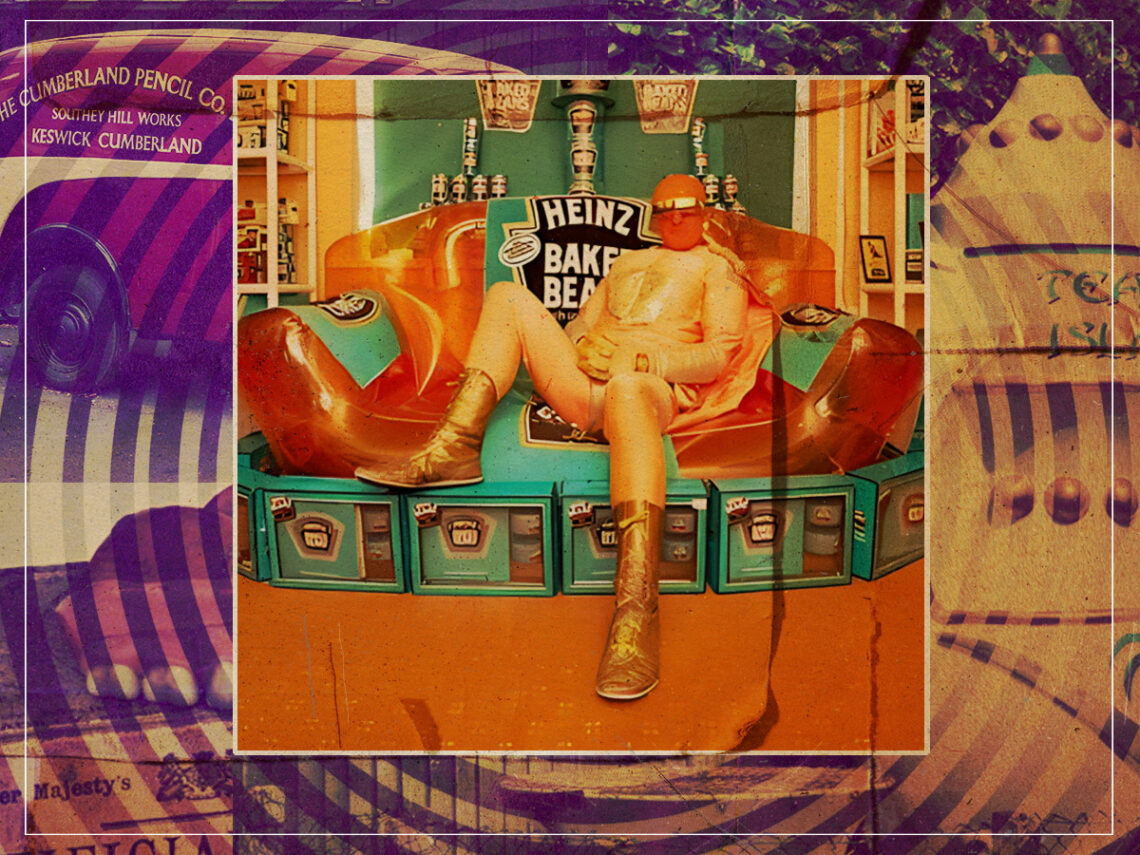
Curious curations: the five weirdest museums in the UK

There aren’t any rules or restrictions on what can serve as the basis for a museum, which has given rise to a number of incredibly niche interests enshrined in their own tourist attraction. If you’ve never found yourself curiously drawn to a huge exhibit about the greatest rope of all time or the world’s biggest ball of yarn, then you frankly haven’t lived.
In fact, there are currently around 3,000 museums in total across the entire United Kingdom, ranging from those that welcome millions of visitors on an annual basis, to those that are quite literally attended by tens of people on a good year.
Not every museum intends to be recognised as a can’t-miss opportunity for locals and tourists alike, but that doesn’t mean they don’t deserve their place among the UK’s pantheon of officially accredited establishments for offering an insight into a lesser-appreciated aspect of the culture.
Some are admittedly stranger than others for a variety of different reasons, with the following five among the most offbeat and quirky additions to the nation’s expanding catalogue of museums.
The weirdest museums in the UK:
5. The British Dental Museum
A lot of people don’t like going to the dentist as it is, so naturally, mileage will vary as to whether or not the 25,000 or so pieces on display in London’s British Dental Museum is something every punter would even have the stomach for.
After all, there are dentures made from the teeth of dead soldiers, old-fashioned implements of dentistry that are a lot sharper, jaggier, and rougher around the edges than anyone would consider letting near their gums in the 21st century, so they may not be for those cursed by a bad case of dentophobia.
For everybody else, though, The British Dental Museum provides an educational, informative, and surprisingly artistic jaunt through the history of dental hygiene. That being said, the first thing on the mind when exiting through the gift shop will probably be the desire to floss.
4. Derwent Pencil Museum
The first lead pencil in recorded human history was made in 1564 in the town of Keswick in the Lake District, so why shouldn’t the location of such a pivotal moment in penmanship lean into its heritage as the backdrop to an entire museum?
The Derwent site stands where the original factory was located when a graphite mine in the Borrowdale Valley first opened the doors to Keswick’s number one export, and befitting its reputation, it also houses one of the largest pencils on the planet that tips the scales at 450 kilograms.
While the history of the humble pencil might sound rather mundane, guests enter through a replica of the graphite mine before being introduced to the ins and outs of pencil manufacturing over the course of centuries, ensuring that the Derwent Pencil Museum isn’t going to be an experience easily erased from memory.
3. Lawnmower Museum
The lawnmower has become an accepted part of everyday life for anyone who wants to keep their garden in tip-top shape. As the British Lawnmower Museum in Southport has made abundantly clear, the rich and famous aren’t exempt.
There is quite literally a ‘Lawnmowers of the Rich and Famous’ exhibit that features grass cutters belonging to everyone from Prince Charles and Princess Diana to Alan Titchmarsh and Paul O’Grady via a mower operated by Brian May, so never let it be said every celebrity gets their local handyman to do it.
There are hundreds of exhibits on display from the earliest versions that originated in the 1820s to the new-fangled varieties using onboard computers and solar power, with the vintage models having been restored to pristine condition so they can silently judge anybody in attendance to have let their weeds run amok at home.
2. Teapot Island
Not one for false advertising, Kent’s Teapot Island has been certified as containing the largest collection of teapots in the entire United Kingdom, with well over 8,000 examples to be found as those numbers only keep growing.
Technically, it isn’t an island, but other than that, the false advertising remark still stands. More than just a showcase for the greatest teapot technology ever known to humankind, though, patrons are encouraged to create and paint their own to take away with them, which might yet end up back in the museum one day as the cycle of teapots continues to underpin society.
Does it also serve tea on the premises? Of course it does, don’t be ridiculous, and for anyone who enjoys a nice cuppa, there’s nowhere better to take that love to the next level than by washing up on the shores of Teapot Island.
1. Baked Bean Museum of Excellence
One of the top-rated tourist attractions in Port Talbot, it should be noted that the Baked Bean Museum of Excellence did close its doors after almost 15 years of operation in June 2023, but there’s always the slim chance it could rise from the tomato-based ashes once again.
Owner, proprietor, and curator Barry Kirk legally changed his name by deed poll to ‘Captain Beany’ in 1991, which indicates just how dedicated he was to housing over 450 artifacts covering the length, breadth, and history of the baked bean.
Whether it was Heinz or Branston, Captain Beany did not discriminate when it came to what sort of bean-backed memorabilia took pride of place in his personal collection, with the residents of Port Talbot – and the world – hoping the Baked Bean Museum of Excellence will get a second wind one day.
