


Five times the right director made the wrong movie

Being a movie director can be a thankless task.
While a select few get to taste the sweet ambrosia of fame, many others are left toiling behind the scenes as everyone else gets the credit, and even the big-name filmmakers have it tough sometimes. It’s incredibly easy to make the person in charge a scapegoat when something goes wrong, especially when it should have gone so much better, and that’s something not even famous names are immune to.
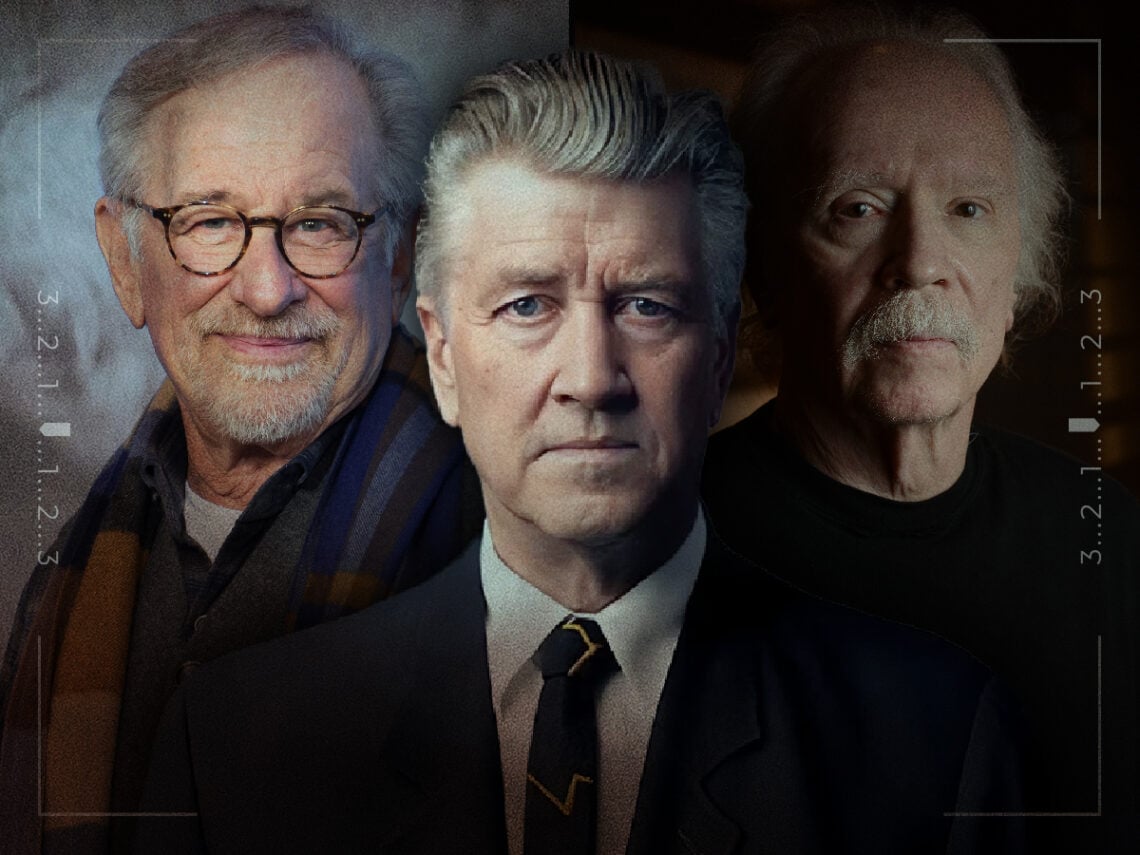
These five maestros were given great ideas on a silver platter, scripts and premises that suited their style to a T, but unfortunately, none of them worked out.
While not all of these movies are terrible, they certainly weren’t as good as they could, and possibly should, have been, proving that sometimes a good idea on paper should remain on paper.
Five times the right director made the wrong call:
‘Dune’ (David Lynch, 1984)
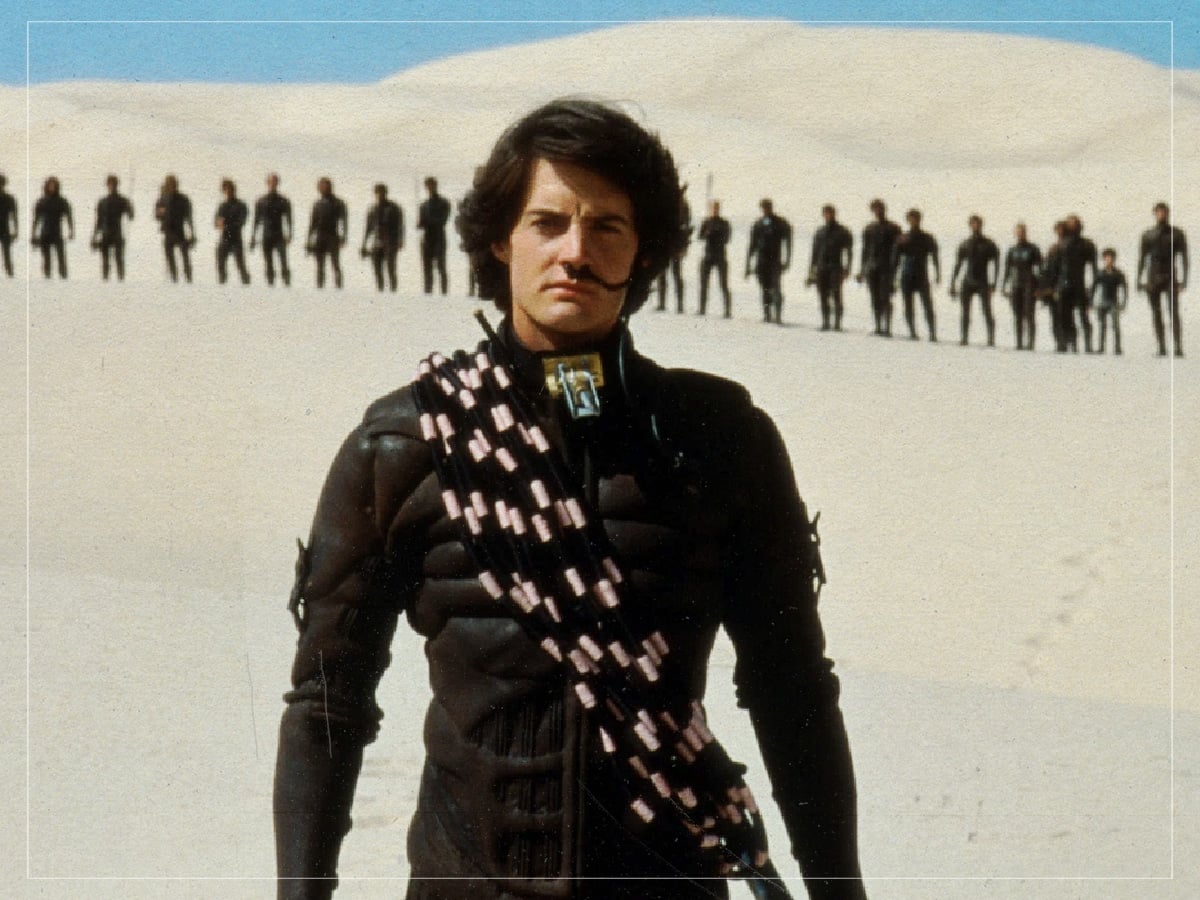
We’re starting with one of the most infamous cases of ‘wrong place, wrong time’ in Hollywood history. The saga of Dune at the cinema is long and well-known, as for decades, many directors have fallen at the altar of Frank Herbert’s dense sci-fi classic. From Alejandro Jodorowsky and David Lean to Ridley Scott, none of them could make it work, and then, in 1981, a promising young filmmaker called David Lynch looked like he was going to be the one to finally break the curse. Three years later, his vision of Arrakis hit the big screen, and it suddenly became very clear why this adaptation had been such a headache.
Lynch’s Dune is, broadly, awful: it’s slow, it’s dull, it’s confusing, and it’s even worse when you watch it directly after Denis Villeneuve’s two modern adaptations, which are so good by comparison. The director actually got a few things right, though, particularly his portrayal of Baron Harkonnen, but that didn’t make up for everything else. If Lynch could have leaned more into the psychedelic dream-like qualities of Dune, then his version could have been something really special. Regardless, his career could have been completely derailed by this intergalactic stinker, but he bounced back just two years later with Blue Velvet, and all was right within the Lynchian universe.
‘Babylon’ (Damian Chazelle, 2022)
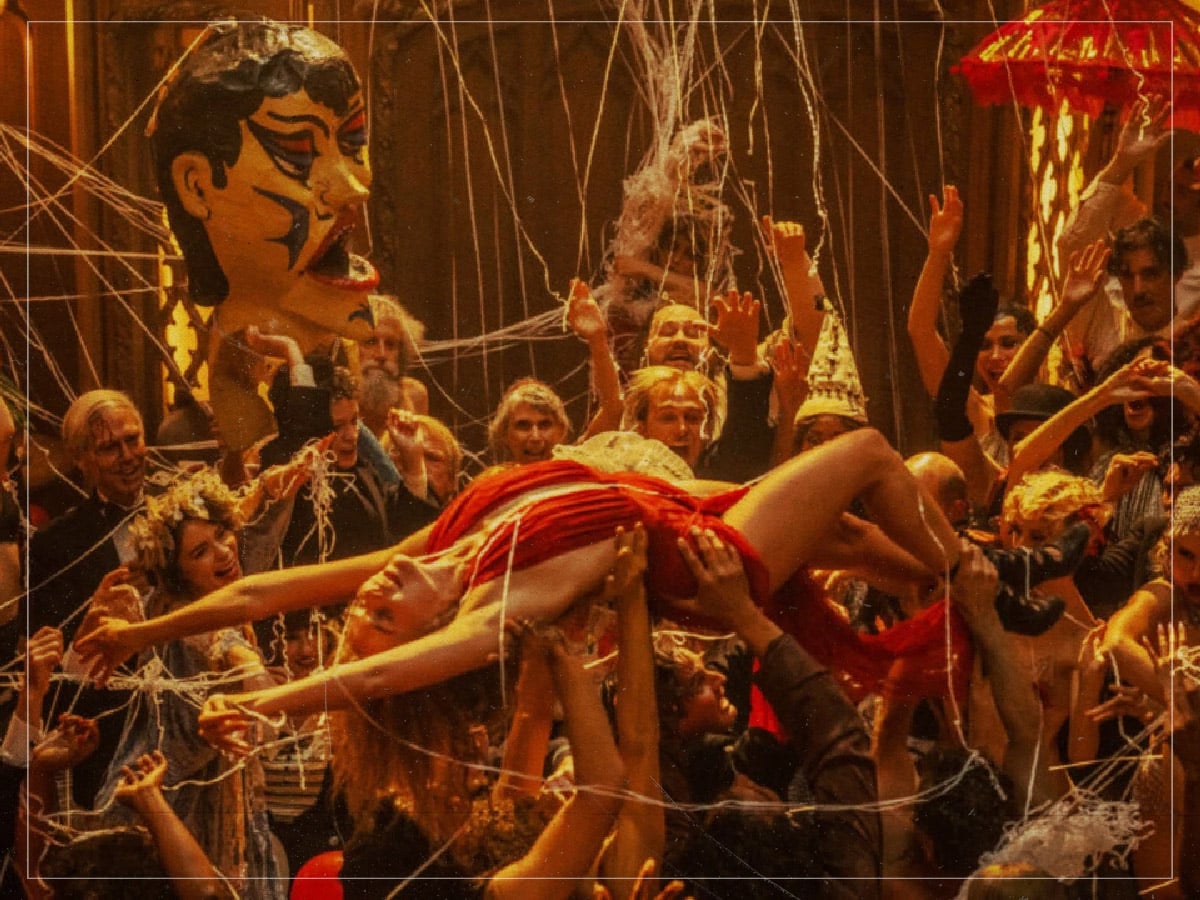
Hollywood loves to make movies about Hollywood, and in recent years, few directors have embraced this trend quite like Damian Chazelle. The youngest ever recipient of the ‘Best Director’ Oscar released La La Land in 2016. This glitzy, brightly-coloured examination of the highs and lows of showbusiness became an instant classic, and is regularly cited as one of the greatest films ever set in Tinseltown, and then, six years later, Chazelle returned to this topic with a new movie, one that didn’t quite make the same splash.
Babylon transports the audience back to Hollywood’s early days, which finds Margot Robbie playing an actor finding her feet in the ever-changing movie landscape, as the industry fully embraces synchronised sound. This could have been another sparkly, star-studded, yet surprisingly deep exploration of fame and hubris, but instead, we got an overly-long slog that didn’t cut nearly as deep. OK, maybe that’s not fair, as Babylon split opinion right down the middle, where some people loved it, some people hated it, but one thing we can say is that it was a very poor investment from Paramount Pictures, who lost an estimated $87million when it flopped at the box office.
‘Village of the Damned’ (John Carpenter, 1995)
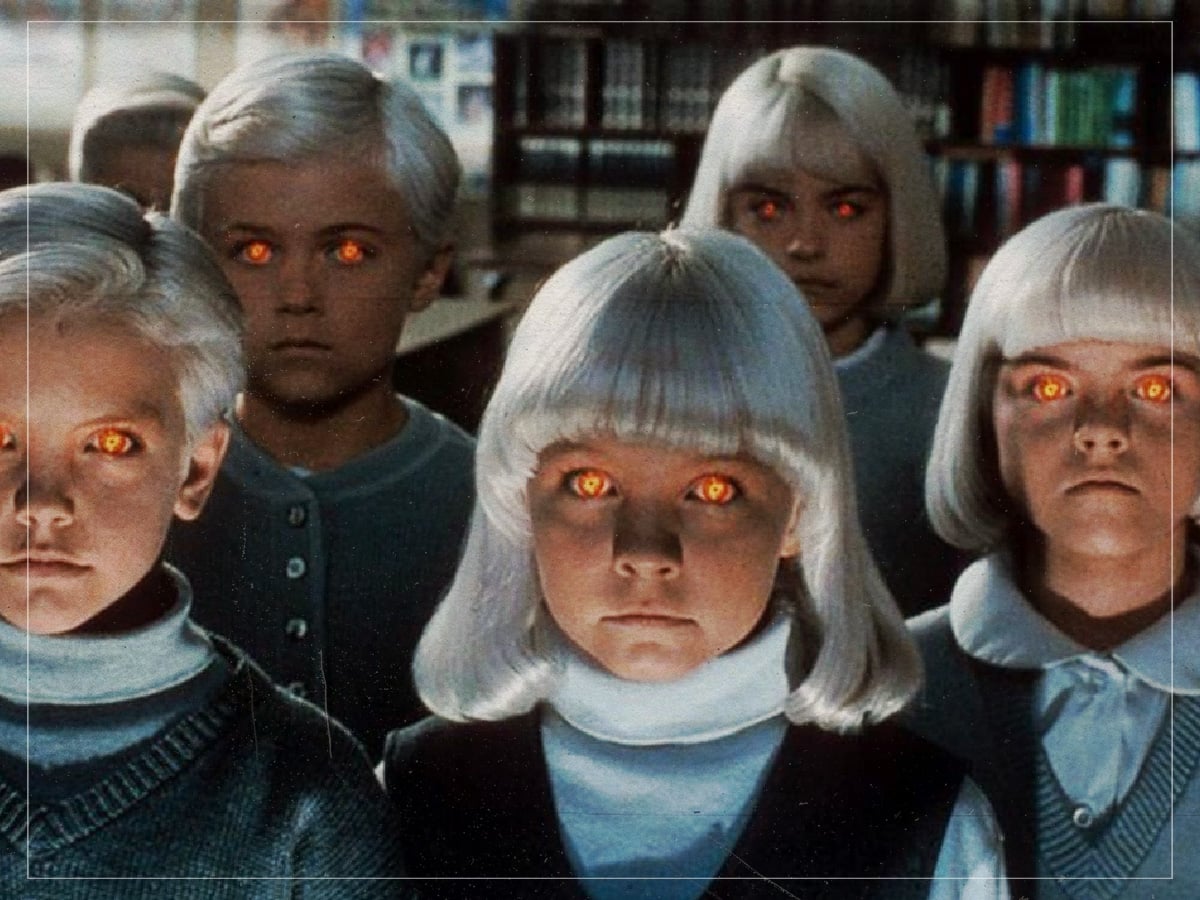
Nobody does horror like John Carpenter, who has more than earned his place on the genre’s Mt Rushmore, although I don’t envy the poor sod who has to try and carve his moustache into the side of a mountain. Unfortunately, it’s been a while since we’ve seen anything truly groundbreaking from the maestro, a long while, with the perfect embodiment of his fall from grace coming in the form of 1995’s Village of the Damned. A remake of a 1960 movie, which itself was inspired by the novel, The Midwich Cuckoos, the story concerns a group of children all born on the same day and all exhibiting the same supernatural symptoms. A classic horror premise with a classic horror director behind the wheel sounds like a slam dunk, right?
Sadly, not only did Carpenter miss the dunk, but he tripped while trying to dribble and gave himself a concussion. Village of the Damned was completely torn to pieces, and critics decried it for being a carbon copy of the original, one that failed to update the story for the modern age. It failed to win over fans of the first movie or draw in new ones, as it grossed less than half of its budget.
‘The Phonecian Scheme’ (Wes Anderson, 2025)
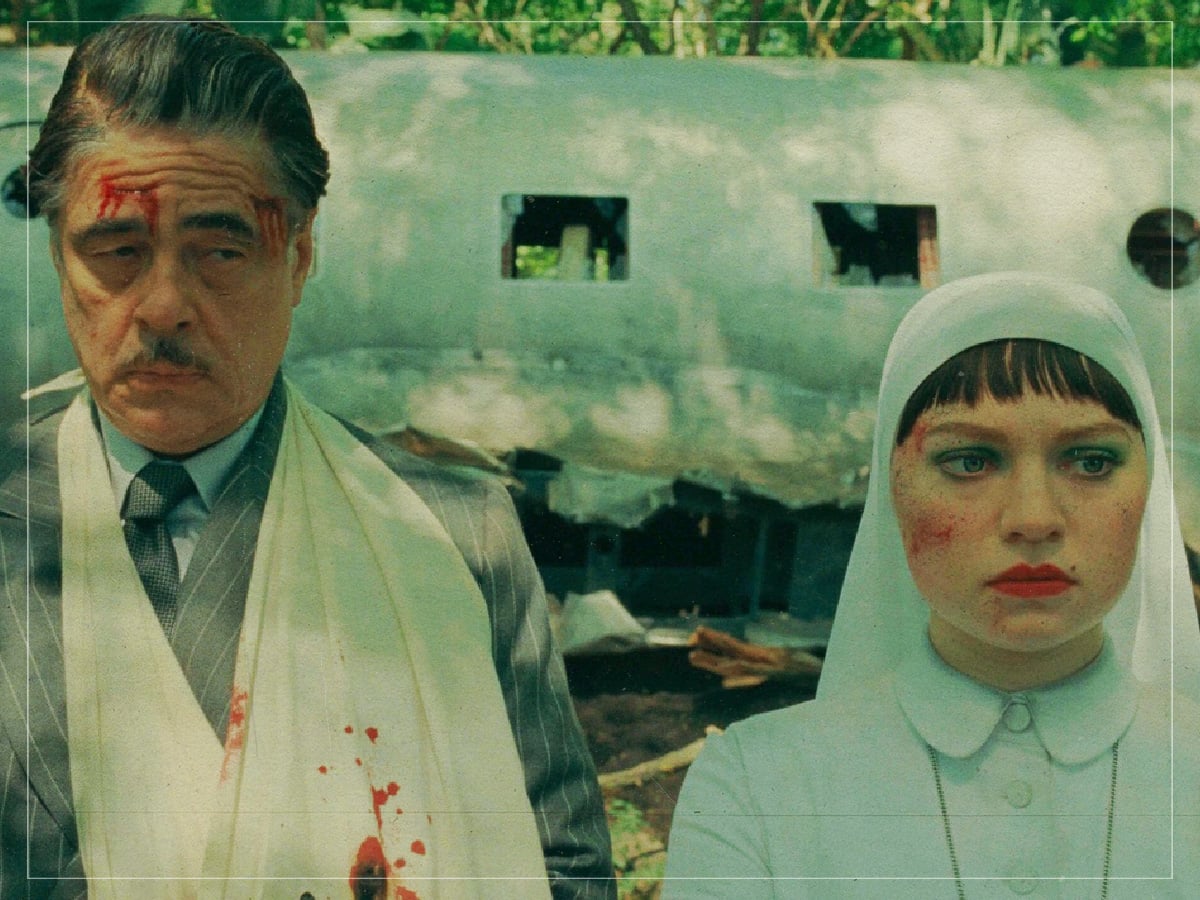
This one is cheating a little, as, for a while now, all of Wes Anderson’s movies have essentially been the same, and nowhere is that more obvious than in The Phonecian Scheme, the lanky auteur’s most recent release at the time of writing. On the surface, it has all the hallmarks of an Andersonian classic, which sees Benicio del Toro play an arrogant, seemingly indestructible businessman who must go on a European odyssey to complete an important deal. In theory, this sounds like a great time, but on the screen, it was very bland.
As mentioned earlier, Anderson has been reaching for the same bag of tricks for far too long now. While the whimsical European setting worked for The Grand Budapest Hotel a decade earlier, by this point, it has gotten old. His characters all felt highly derivative, often of his own work, and while the faces might be different, with the likes of Tom Hanks, Bryan Cranston, Richard Ayoade, and Michael Cera, they’re all still playing weird men with weird names and weird moustaches. Had Anderson made this much earlier in his career, things would have been very different, but everything about The Phoenician Scheme just feels tired.
‘Hook’ (Steven Spielberg, 1991)
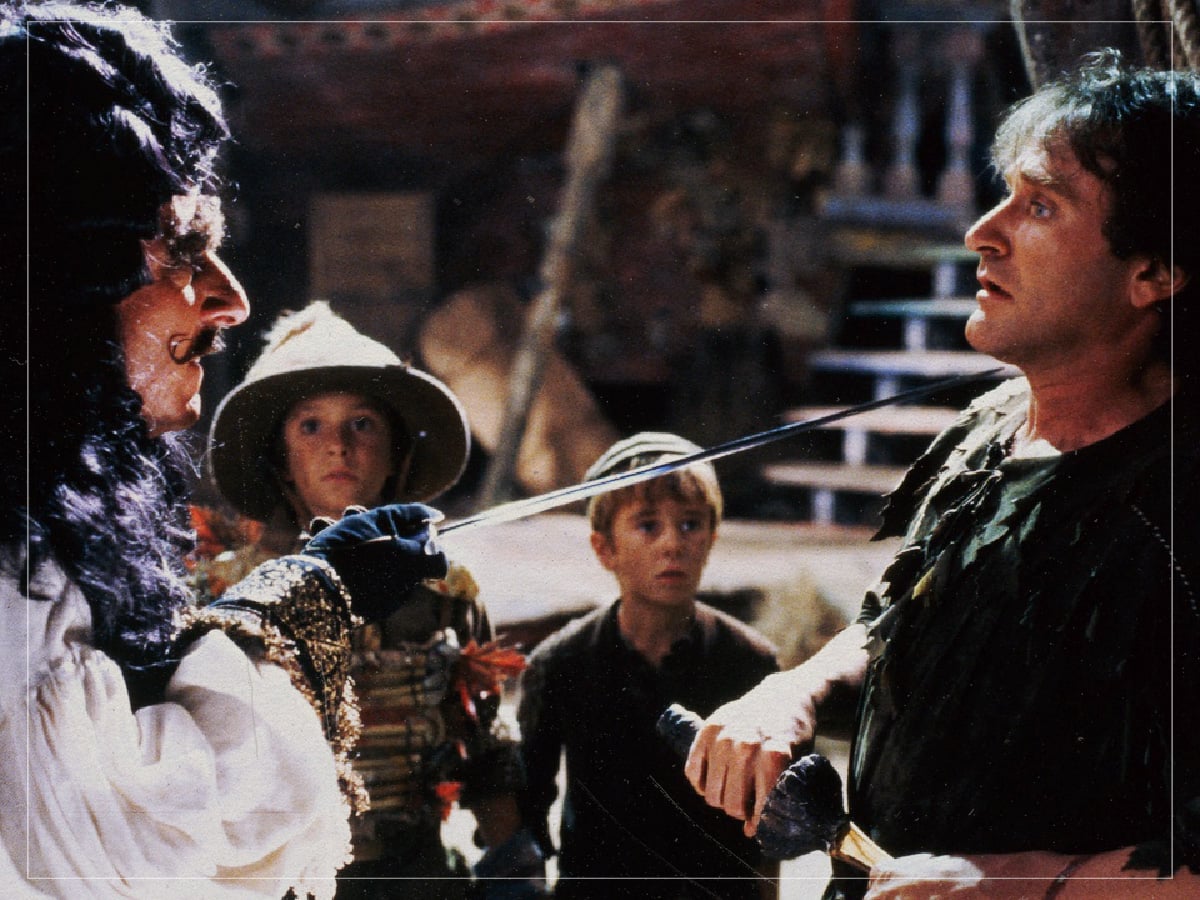
For our final entry, we’re doing things a little differently and looking at a movie that the director himself declared to be all wrong. The greatest filmmaker of all time, Steven Spielberg, has a troubled relationship with his 1991 take on the story of Peter Pan. Hook, the story of a much older Peter, played by Robin Williams, returning to Neverland to take on his old nemesis, in the form of Dustin Hoffman, has all the hallmarks of Spielberg’s best work, such as a fantastical setting, themes of childhood, swashbuckling fight scenes, and yet, people didn’t like it.
I would like to go on the record and say that I do like Hook, but unfortunately, not many people agree with me, including Spielberg himself, who has spoken about having no confidence in the script and feeling limited by the technology available at the time, while he also famously fell out with Julia Roberts, who played Tinkerbell. As I mentioned, I personally really enjoy this film, but given the names involved, the subject matter, and the period in which it was released, even I have to admit that it disappoints when it should have been a bona fide classic.
