



The five stupidest MacGuffins in cinema history

Writing the plot of a movie is hard.
Not only have you got to come up with an interesting story that shows off all the characters, transports them to different locations, and keeps the audience on the hook, but some people expect all of this to make sense! How unreasonable! Thankfully, scriptwriters have a special trick they can call on when things get really tough: the MacGuffin.
One of the most popular and controversial plot devices in all cinema, a MacGuffin is described by Merriam-Webster as “an object, event, or character in a film or story that serves to set and keep the plot in motion despite usually lacking intrinsic importance”. The invention of the word is attributed to Angus MacPhail, a screenwriter best known for his work with Alfred Hitchcock.
MacGuffins have been used in some of the most popular movies and franchises of all time. The Ark of the Covenant in Raiders of the Lost Ark, the Infinity Stones in the MCU, and the titular soldier in Saving Private Ryan—all of these great stories have equally great quest items for their main characters to find. Sometimes, however, things go horribly, horribly wrong.
These movies below all lean way too heavily on their special items, which are all lacklustre to say the least. Either they don’t fit with the plot, aren’t explained well enough, or simply don’t make sense; these MacGuffins give the classic trope a bad name.
Five nonsensical MacGuffins in film:
Antimatter – ‘Angels & Demons’ (Ron Howard, 2009)
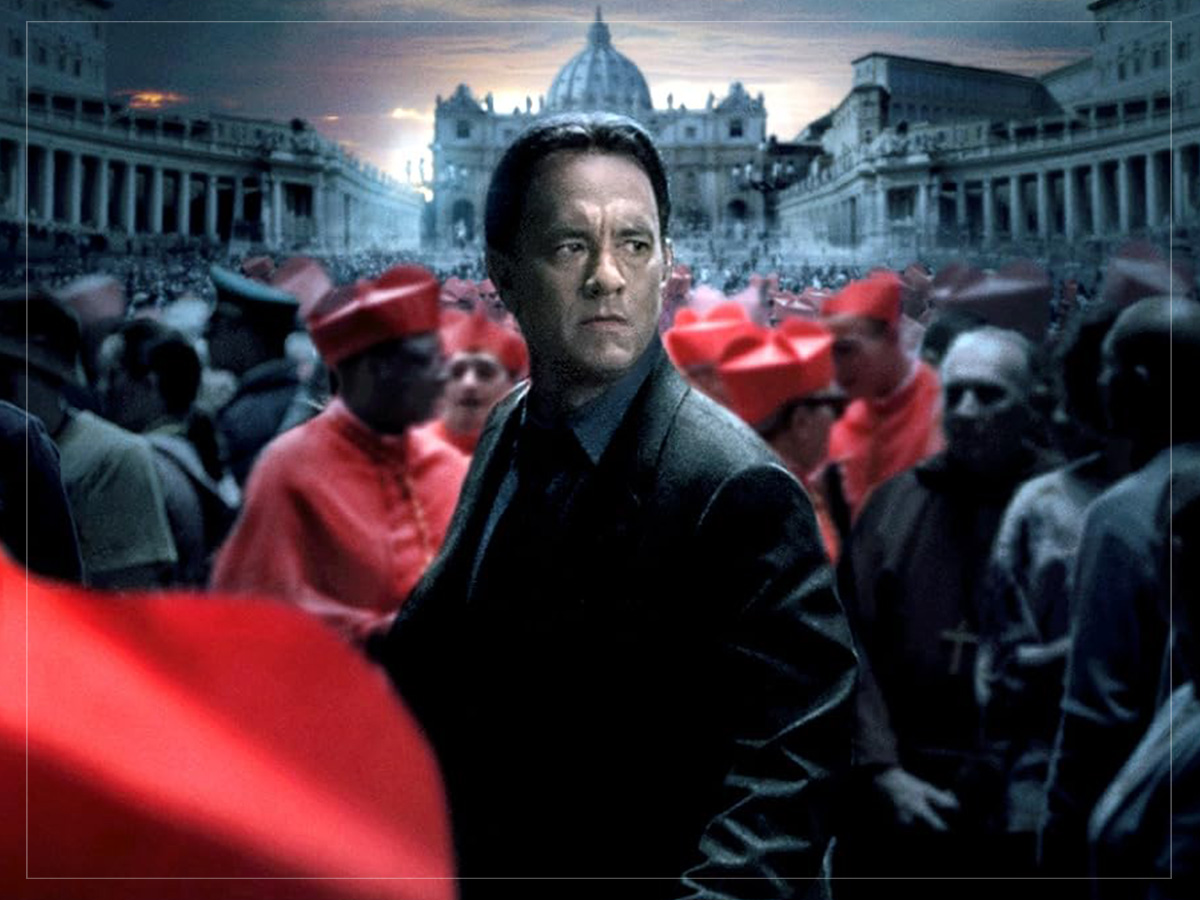
You could have an absolute field day picking apart the collected works of Dan Brown, and a lot of people have. The much-maligned writer had his three ‘Robert Langdon’ novels—Angels & Demons, The Da Vinci Code, and Inferno—turned into movies. They all starred Tom Hanks as the famous ‘symbologist’, which is a shame; you’d think he would have known better.
The second film in the series, Angels & Demons, was very different to the first. While the original flick was very much centred in the world of history, this one took a bizarre left turn into the realm of science.
The plot of Angels & Demons revolves around a rogue member of the Illuminati trying to destroy the Vatican. How do they plan on doing this? With a vial of stolen antimatter, of course. Firstly, that’s not how antimatter works. Cern, the scientific institute portrayed in the film, had to set up a website explaining what the substance actually is, because they were worried that the movie would fool people. Secondly, something this outlandish has no place in a religious-themed thriller.
It feels completely out of place and is massively distracting every time it is mentioned. What was wrong with a good old-fashioned bomb?
The Sith dagger – ‘Star Wars: The Rise of Skywalker’ (JJ Abrams, 2019)
The Star Wars series loves a MacGuffin.
From the Death Star plans to Princess Leia to entire planets, the franchise has come up with plenty of solid excuses for its characters to whizz about the galaxy looking for stuff. Unfortunately, by the time The Rise of Skywalker came around, they’d run out of ideas.
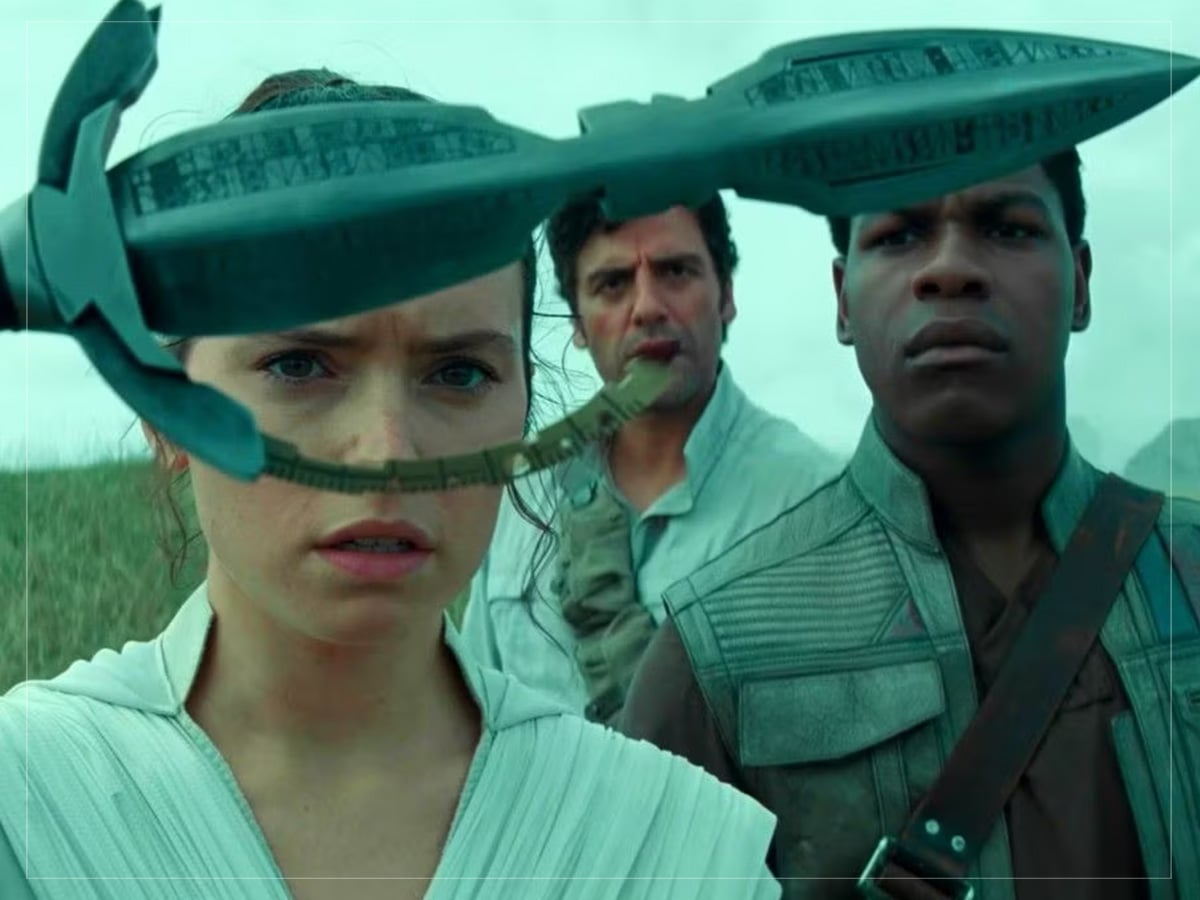
It’s hard to pinpoint the exact moment this saga-ender fell apart, but the introduction of the mystical Sith dagger might be a good place to start.
In order to find Palpatine (who, lest we forget, ‘somehow’ returned), Rey and the rest of the gang need to find the planet Exegol. In order to find Exegol, they need to find a ‘wayfinder’. In order to find the wayfinder, they need to find the wreckage of the Death Star.
In order to find the Death Star, they need to find this dagger, which has some Sith text on it, which they need to translate. Can you see what the problem is here? Things got so complicated so quickly that by the end, nobody had any idea why they were looking for that stupid knife in the first place. Also, you live in a world where lightsabers exist. What the hell do you need a dagger for?
Trident of Poseidon – ‘Pirates of the Caribbean: Salazar’s Revenge’ (Joachim Rønning and Espen Sandberg, 2017)
Pirates of the Caribbean is another franchise that cannot help itself when it comes to MacGuffins.
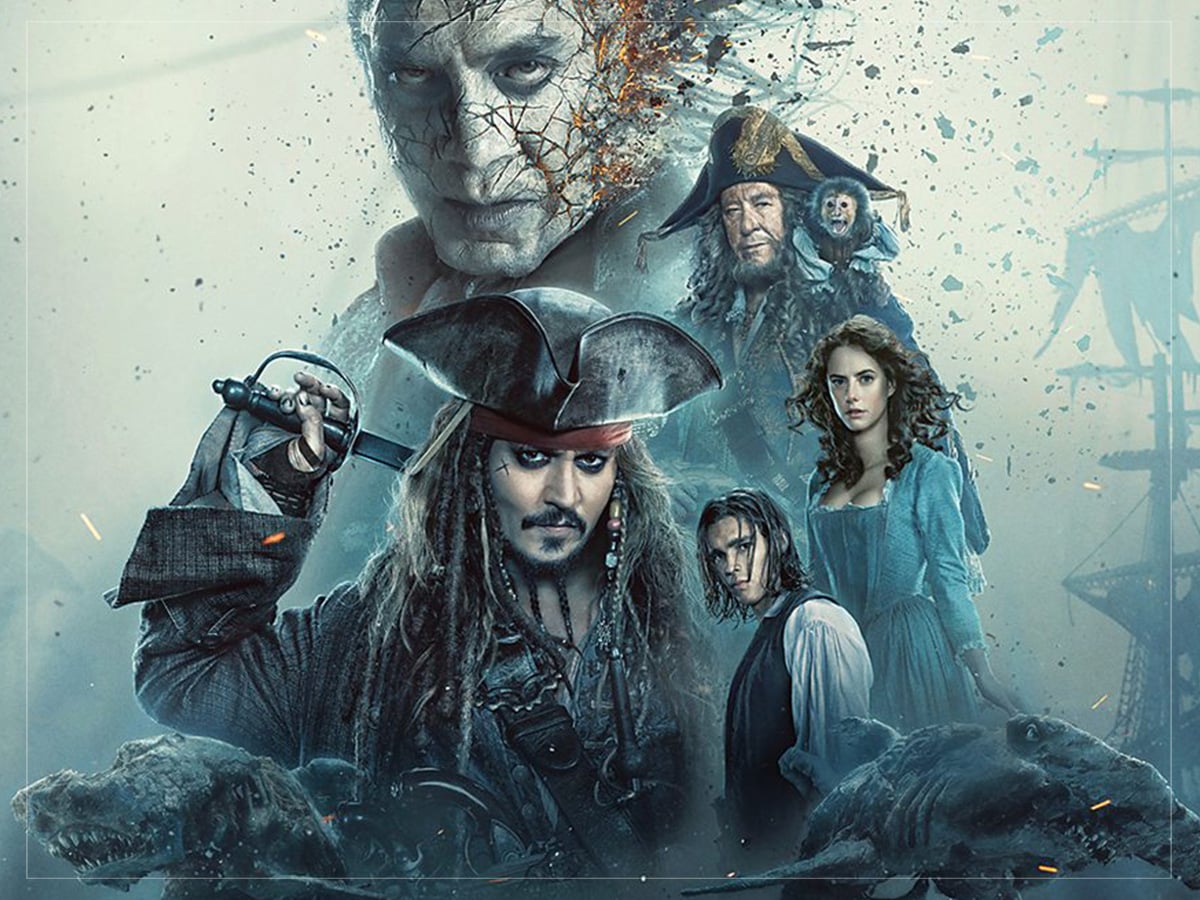
Each of the five swashbuckling stories has featured some sort of enchanted thingamajig that Jack Sparrow and possey need to track down to save the day. The worst of the bunch has to be from easily the worst entry in the franchise, Salazar’s Revenge, or Dead Men Tell No Tales, for our friends in North America.
The titular Spanish captain—played by Javier Bardem, single-handedly trying to lift this movie out of the gutter—is after the mythical Trident of Poseidon. Named after its wielder, the Greek God of the sea, the Trident has the ability to lift any curse. Salazar wants it to return to the land of the living, while Henry Turner wants to rescue his dear old dad, Will, from The Flying Dutchman.
Introducing something so powerful with so little explanation feels like a massive deus ex machina and proves just how creatively bankrupt the universe was by film number five. It feels like something an 11-year-old would have come up with in about five minutes; just one of the many reasons this high-seas adventure was a total washout.
The Algorithm – ‘Tenet’ (Christopher Nolan, 2020)
Did you ever watch Inception and think, “Hmm, I wish this were more complicated?” Well, Christopher Nolan thought exactly that when he made Tenet.
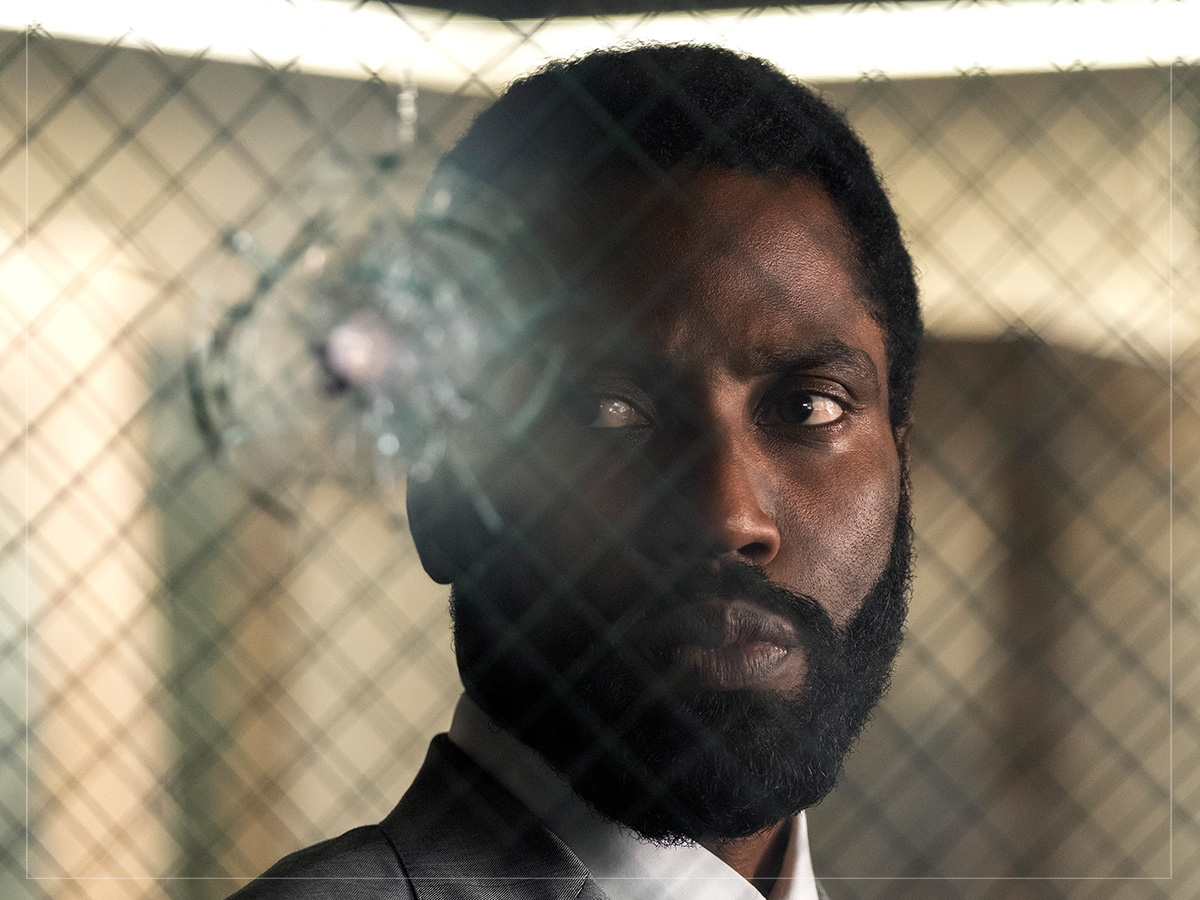
Starring John David Washington as ‘The Protagonist’—that’s his actual name—this sci-fi thriller is set in a world where special people can use ‘inverted entropy’ to make objects travel backwards through time, or something. Honestly, we’re not even sure Nolan knows how the rules of this bonkers universe work.
The villain of the piece is Andrei Sator, an oligarch played by Kenneth Branagh and his atrocious “Russian” accent. Through the use of time-reversing technology, Sator is able to communicate with the future and collect all nine pieces of the “Algorithm”. What is the Algorithm, you ask? Great question. It’s a weapon that people from the future want to use to destroy the Earth in the past.
It’s never exactly made clear why they want to do this, as surely that would kill them too, and the rest of this movie’s confusing details certainly don’t help matters. Moreover, the name, the Algorithm, screams buzzword. Does Nolan actually know what an algorithm is, because it isn’t this.
The mother boxes – ‘Justice League’ (Zack Snyder, 2017)
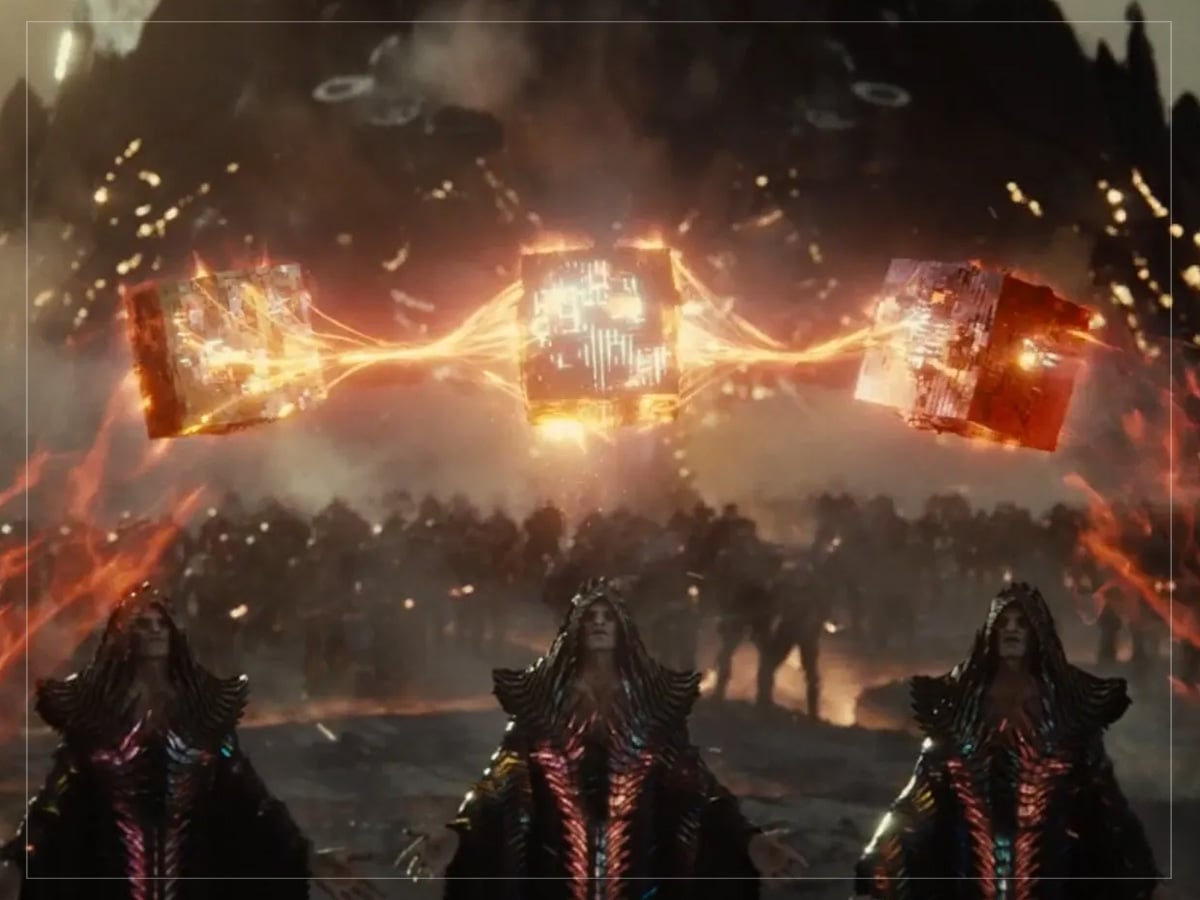
Few modern movies have been discussed as heavily and with as much disdain as the original cut of Justice League.
Technically directed by Zack Snyder, although Joss Whedon supposedly did most of the reshoots, this attempt by DC to copy Marvel’s homework spiralled spectacularly out of control. Everybody hated the result so much that Snyder put out his own, overly long version of the movie four years later. But it still didn’t address the MacGuffin in the room: the mother boxes.
Initially used to defeat Steppenwolf, the DC supervillain, not the rock band, the boxes are three incredibly powerful items with incredibly vague powers. One of them is used to bring Superman back from the dead, but other than that, it’s never explained what they are or what they can actually do.
Considering that a cube played a big part in Marvel’s first team-up movie, it made it look even more transparent that their storied rivals were trying to emulate them. There are many, many, many things to complain about regarding this movie, arguably worse sins than a bad MacGuffin, but the fact that the mother boxes were so boring is emblematic of these larger issues.
