


Five songs by Steely Dan that sound years ahead of their time

As much as they get used as an unfortunate punching bag by those who weren’t au fait with their blend of jazz, pop and rock sensibilities, it would take an immense amount of denial to suggest that Steely Dan weren’t at least masters of their craft.
Sure, what they did may not have appealed to everyone, and was only truly appreciated by a select few groups of people who could handle the high-brow nature of their genre mutations, but from a compositional point of view, Steely Dan were a totally unique prospect for their time, and a band who were so far ahead of their contemporaries that they felt out of place.
With the songwriting duo of Donald Fagen and Walter Becker running a tight ship over the course of seven studio albums from 1972 to 1980, their sound was a celebration of musicality in its purest form, and opted to pull no punches when it came to creating elaborate arrangements and structures. Not only that, but Fagen’s lyrical style veered between observational satire and vibrant storytelling in ways that few others of the era were able to replicate, adding to the singularity of their sound.
It would be fair to say that Steely Dan were ahead of their time at all points during their initial run as a band, but in an effort to summarise when they’ve utilised all of their skills to the best of their ability, here are five examples of their work that feel far ahead, even by their own lofty standards.
Five Steely Dan songs way ahead of their time:
‘Do It Again’
It’s hard to pick just five songs that highlight just how ahead of the curve Steely Dan have always been, because it’s something that could be reasonably applied to everything they ever released.
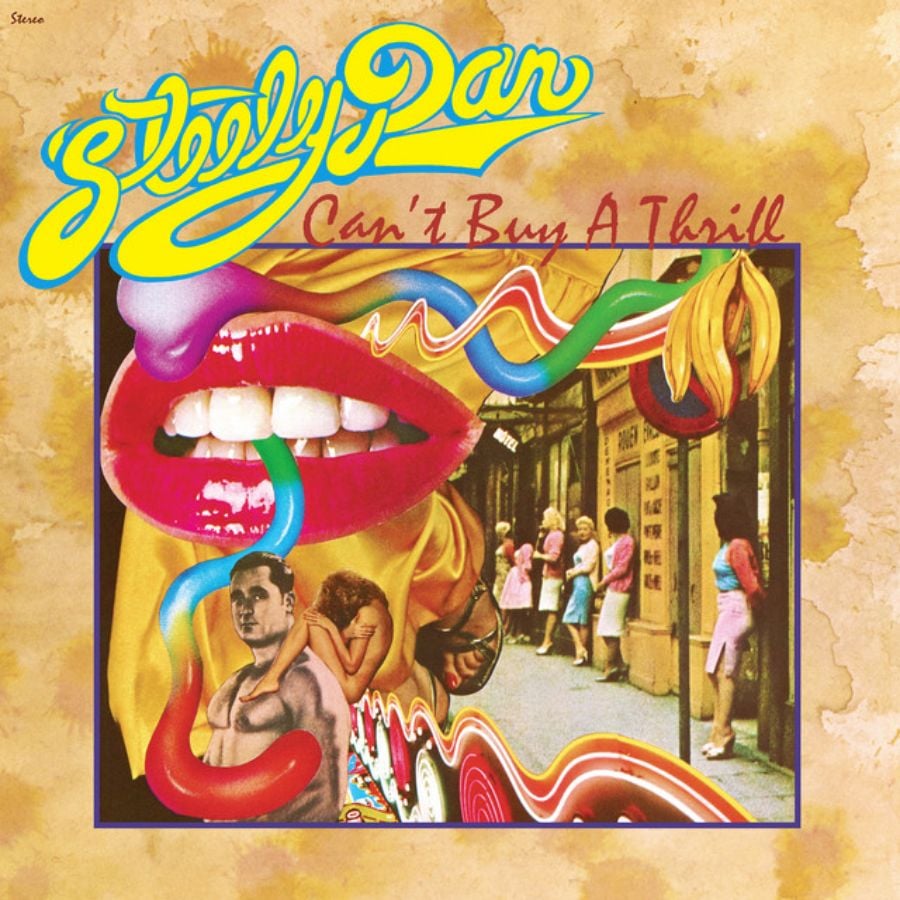
However, one logical place to start would be at the very beginning, with the opening track of their 1972 debut, Can’t Buy A Thrill, which serves as one of the finest introductions to the band’s sound, identity and ethos.
‘Do It Again’ is, above all, Steely Dan’s mission statement. It’s a song that outlines their approach to disrupting the established conventions of rock music with a smoothness that was antithetical to the emergence of hard rock, a jazz-pop hybridisation that avoided being classed as prog, and a sense of sarcastic humour that was absent from many of their self-serious peers.
It’s a frankly masterful way of introducing yourself as the antidote to all of the above, and it brilliantly sets the tone for everything they did afterwards.
‘King of the World’
It wasn’t just sonically that Steely Dan managed to be ahead of time, as the band’s lyricism has proven itself to have foreshadowed major societal developments, both for better and for worse.
You may well find yourself constantly lamenting the fact that we exist in a world where evil reigns supreme, and oligarchs continue to unleash their tyranny over us in increasingly oppressive ways, but for any Steely Dan fans, you can’t say Donald Fagen didn’t warn you it was coming.
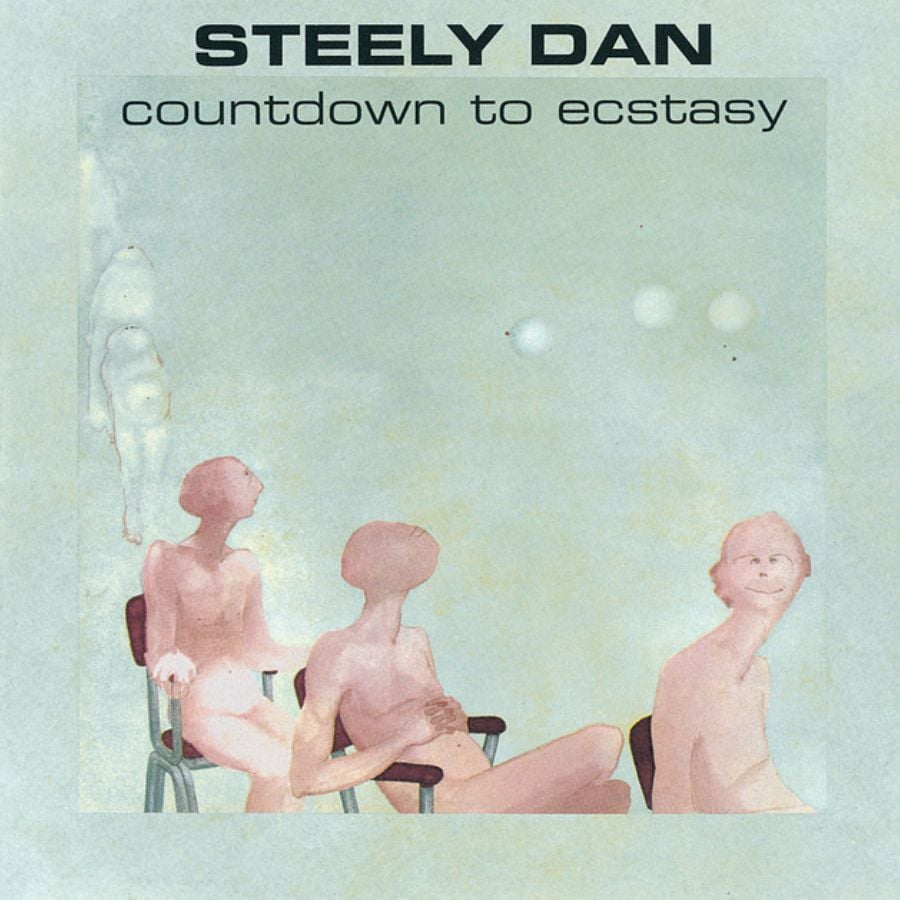
‘King of the World’, taken from the band’s second album, Countdown to Ecstasy, takes place in an imagined dystopian future where nuclear apocalypse has ravaged most of the world, and the greed of those in charge is what has led to this catastrophic scenario. “It’s a tale of terror and loathing in the far-flung future,” Walter Becker would declare during a 1974 live performance of the song. As far-fetched as it may have seemed at the time, we’re unfortunately edging closer to it day by day.
‘Black Friday’
Another song that manages to be ahead of its time through Fagen’s lyrics, ‘Black Friday’ is another of the band’s slightly sarcastic visions of the future, and one that we’ve not just moved uncomfortably close to, but one that is arguably already true.
While the term ‘Black Friday’ has existed since the mid-19th century, initially referring to the gold panic that caused a financial crisis in America, it has since come to refer to the capitalist bonanza that takes place every year after Thanksgiving, whereby shoppers lose all inhibition and engage in Neanderthal-like combat over discounted luxury items.
Sung from the perspective of someone looking to take advantage of the fragility of the capitalist system, Fagen assumes the role of a character looking to flee with a fortune to Australia, leaving the US economy in tatters as indulges in a lavish lifestyle while trying to seek some sort of forgiveness.
This sort of tale is something that can be likened to the price-hiking misgivings of pharma bro Martin Shkreli, who tried to play himself off as a man of the people, but was imprisoned for securities fraud in 2018. Another tale of how disgusting greed can get, and how the world they jokingly envisioned has somehow come true.
‘Peg’
Reverting back to how the band used their musical innovations to keep ahead of their peers, ‘Peg’ serves a similar role as ‘Do It Again’ in the sense that it introduces the band, but does so in a way that ensures that audiences were keeping up to speed with their gradual shift into even jazzier territory than before.
While it’s known as ‘yacht rock’ these days thanks to a slightly derogatory gag by comedian JD Ryznar in 2005, ‘Peg’ was a marker of Steely Dan taking the adult-oriented rock sound and creating what is arguably the style’s definitive song.
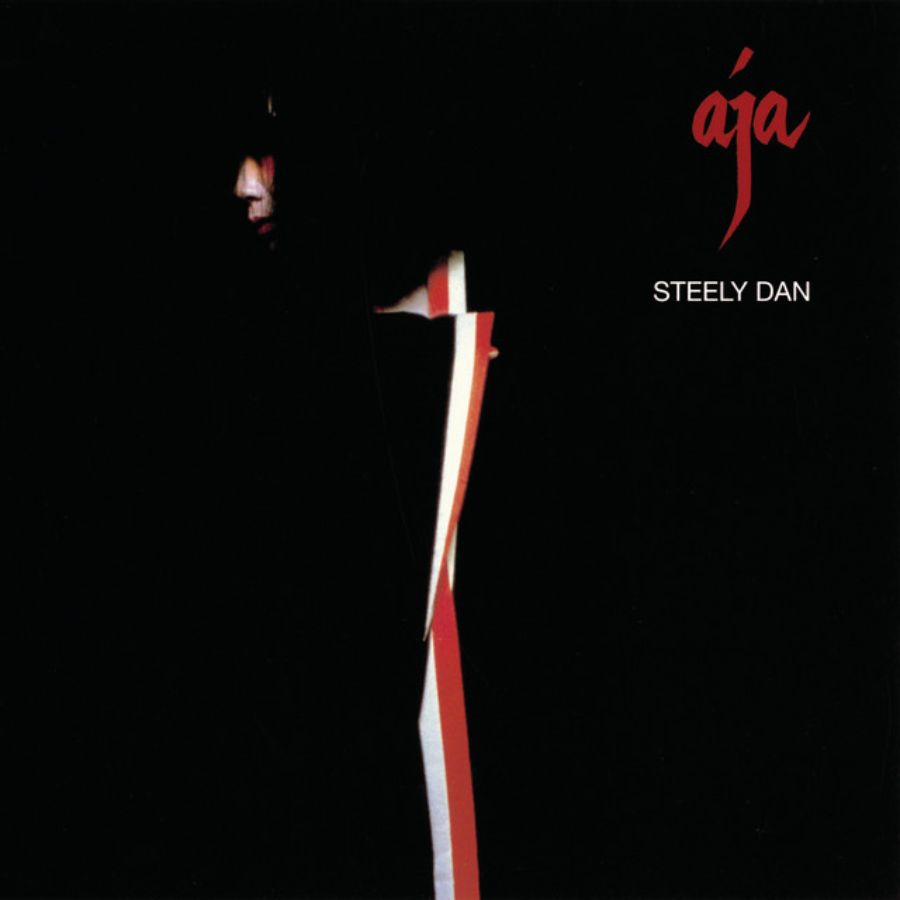
It’s all very well that other artists were able to adopt this laid-back, feel-good sound, but nobody else was able to make this feel so simultaneously effortless yet stacked with complex structures as Steely Dan did on songs like ‘Peg’, the debut single from their seminal 1977 album, Aja. Fagen will insist that the song is based around a simple 12-bar blues pattern with gospel-inspired plagal cadences used as intervals, which reduces it to its simplest form. It’s far more than that – it’s a masterpiece.
‘Hey Nineteen’
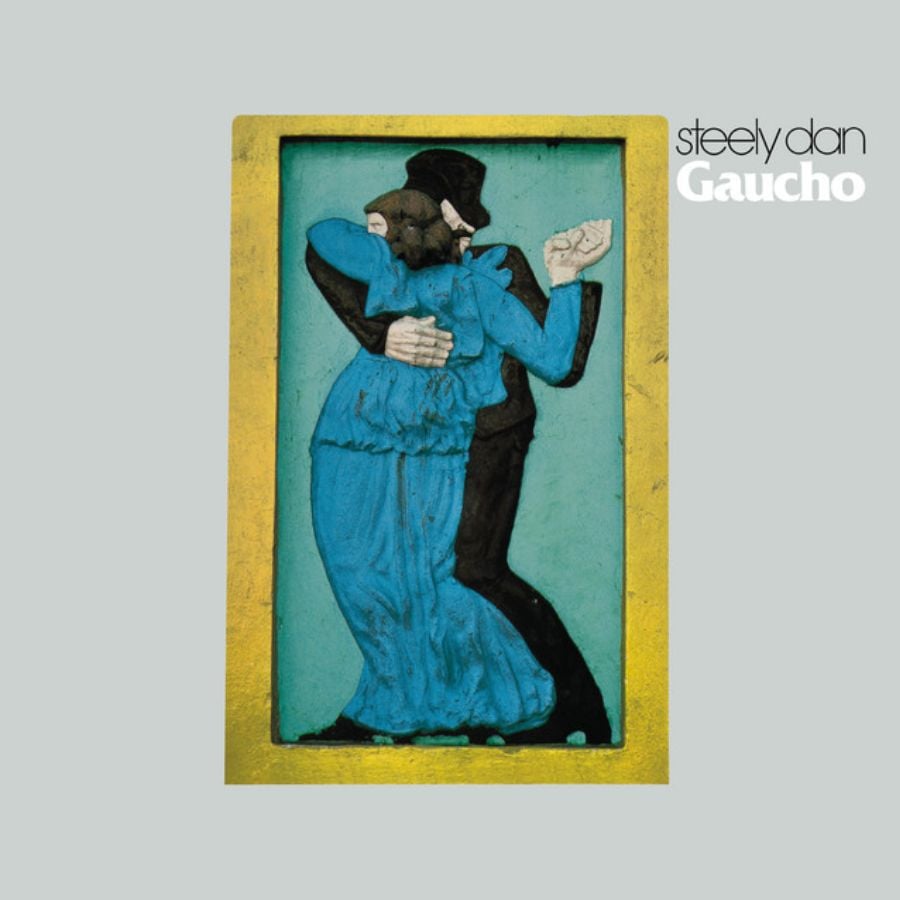
Even when it was evident that the band were on the cusp of dissolving, they were still able to find ways to innovate and incorporate new elements into their sound.
While there were only ever two official members of the band in Fagen and Becker, tensions between the two had risen after the release of Aja to the point where the gap between that album and its successor, Gaucho was longer than they’d ever taken between records, and it would end up being their last before reuniting and releasing Two Against Nature 20 years later.
Despite this, one thing that sticks out on Gaucho is the band’s use of drum machines, which were utilised as a way of backing up acoustic drums and percussion on three of the seven tracks. As subtle as it may seem, they’re used to incredible effect on ‘Hey Nineteen’, one of the finest moments from this swan song album, and while others would turn to technology as a means to avoid hiring other musicians, they used it in a way that felt like it could work alongside the more organic instrumentation and arrangements that they’d always been known for using.
