


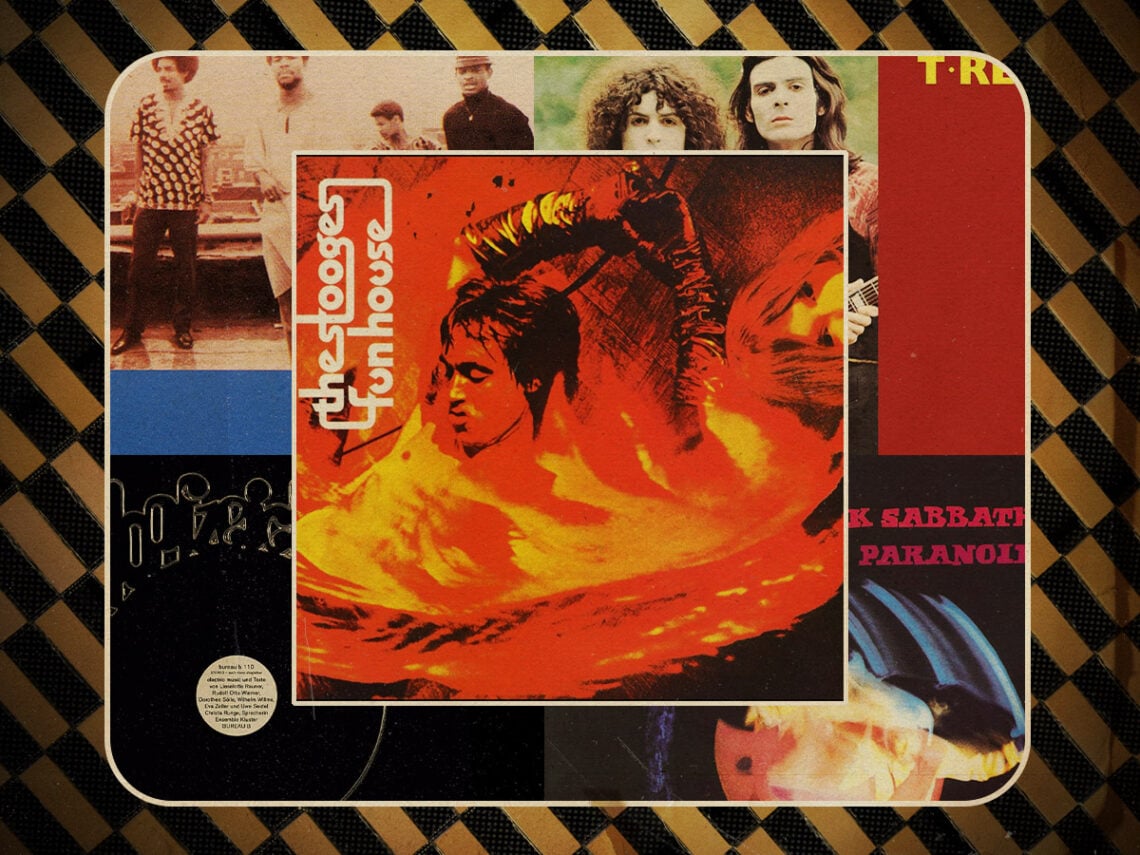
Five songs from 1970 that announced the death of the 1960s

There was a moment in the 1960s’ utopian zenith where the post-war kids truly thought they would change the world.
Such certitude was easy enough in the Summer of Love. Seven years into the decade, the liberatory explosion across music, art, and politics had pulled society to a practically new universe from how it started, the era’s kaleidoscopic flourish unrecognisable to even the Boomers when first leaving the embers of rock and roll behind in their youth.
Yet, the dream soon soured. As the 1960s drew to a close, civil unrest grew fiercer, and the law began to come down hard with a heft, quashing the idyll that scared the straights stiff. With the rock and pop charts having entered a new realm of essentiality as the counterculture’s major soundtrack, naturally, one would think such social convulsions would fuel the day’s underground songbook.
There was plenty of folksy and roots revival reportage on the sign of the times, but few dared to truly point out the 1960s’ symbolic death. Whether via lyrical attack or musical unorthodoxy, a handful of mavericks pushed aside any sentimentality with the mythologised decade and soldiered steadfastly with a statement seeking to tear asunder the Woodstock residue shuffling toward irrelevance.
As the 1970s arrived, we take a look at the five songs that spotted the 1960s’ demise long before anyone else had noticed.
Five songs from 1970 that announced the death of the 1960s:
Kluster – ‘Kluster 1’
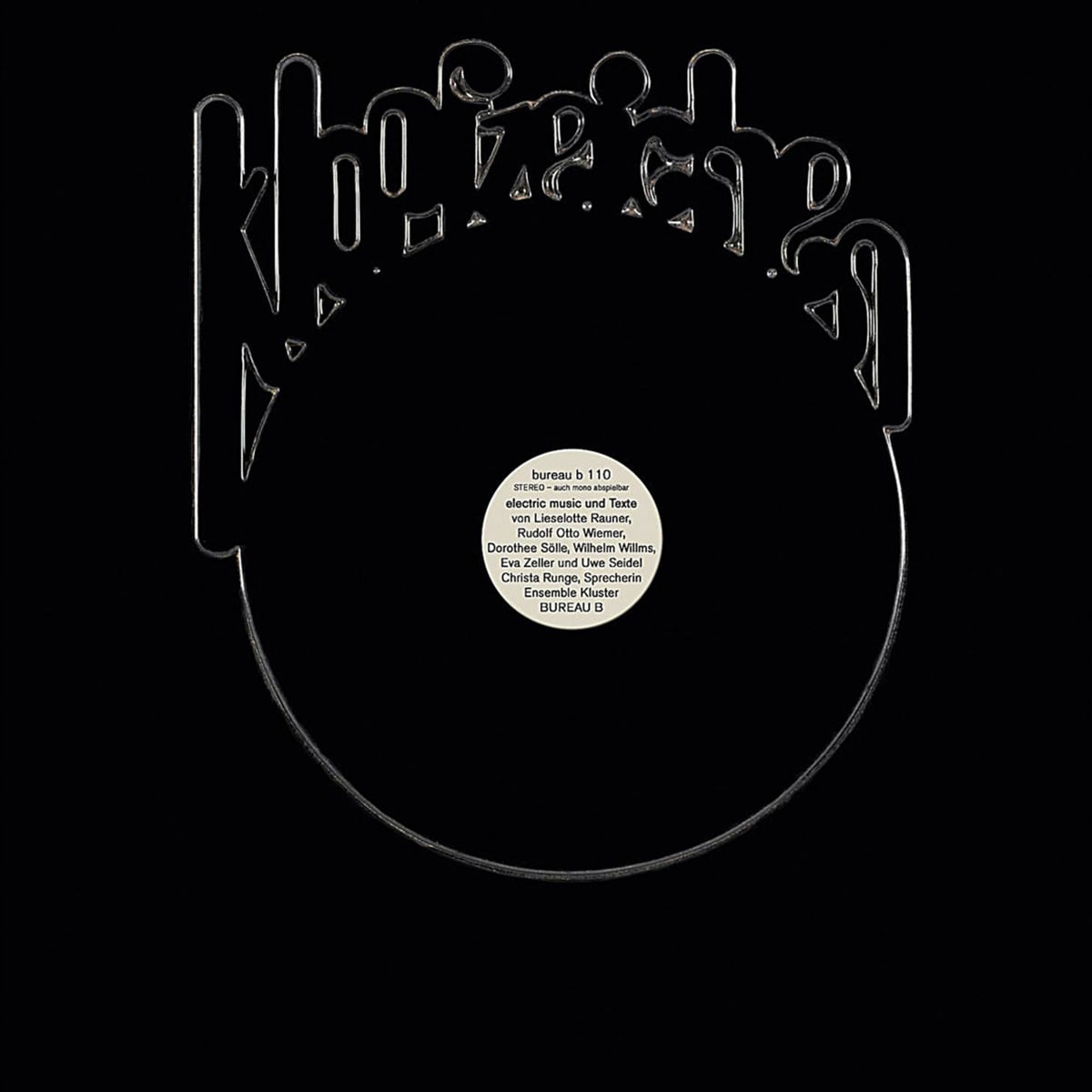
Release Date: November 1970 | Producer: Oskar Gottlieb Blarr | Label: Schwann
As psychedelia was slowly growing into the prog monster to dominate the mid-1970s, a crop of German underground artists began to take the counterculture’s avant-garde experimentalism and push toward a greater descent into heady, mind-expanding collages of sound. Alongside the likes of Can, Neu!, Faust, and an early Kraftwerk, was Kluster.
Better known by their Cluster successor, the first incarnation with Conrad Schnitzler would drop the eerie and proto-industrial Klopfzeichen, an electronic soundscape heralding psych’s shadowy turn for the new decade. Replete with banging clangour and muffled scrape, the slithering layers of synths and musique concrète almost forged a new sonic blueprint for the German creative subterranean, as well as turning its back on the previous decade’s hippy excesses.
T Rex – ‘Ride a White Swan’
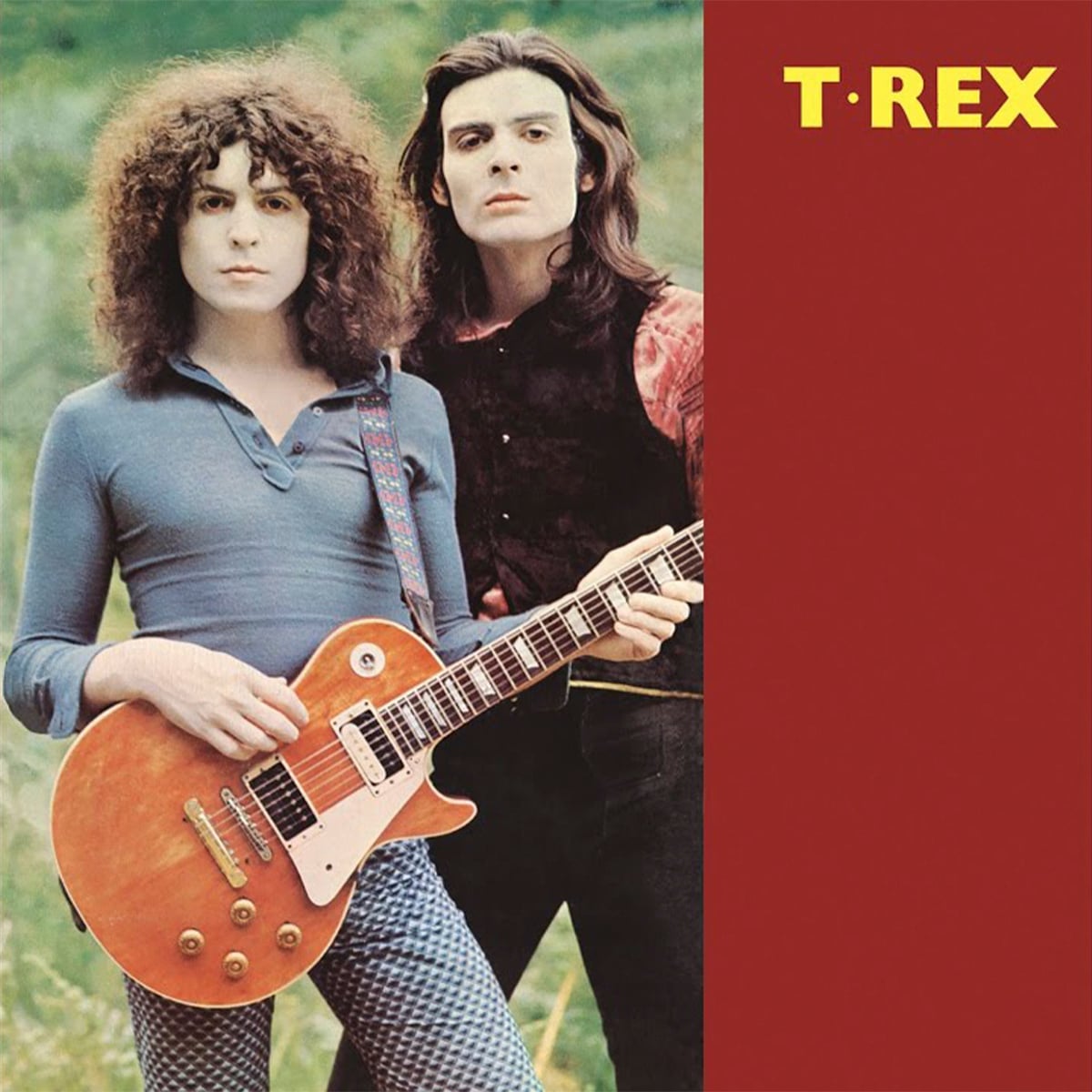
Release Date: October 1970 | Producer: Tony Visconti | Label: Fly
While the hippies and everyone’s older sibling were still stuck in the Woodstock rockism supposedly standing as the paragon of musical authenticity, the kids were bored stiff. Caring little of the singer-songwriters earnestly strumming acoustic numbers on The Old Grey Whistle Test, a glittery plume of sugary pop dominated Top of the Pops every Thursday night during the early 1970s, offering the music world a glam alternative to the double-denim stiffs.
Before David Bowie’s Martian messiah and Roxy Music’s art-pop escapism, Marc Bolan uncovered the glam formula for ‘Ride a White Swan’, his debut as T Rex after abandoning the prior psychedelic Tyrannosaurus Rex moniker. Slathered with stirring strings and that unmistakable Bolan guitar lick, T Rex first hinted of a world keenly eschewing the peace and love heritage in favour of comic, animated transport which would dazzle the popshere a few months later.
The Last Poets – ‘When the Revolution Comes’
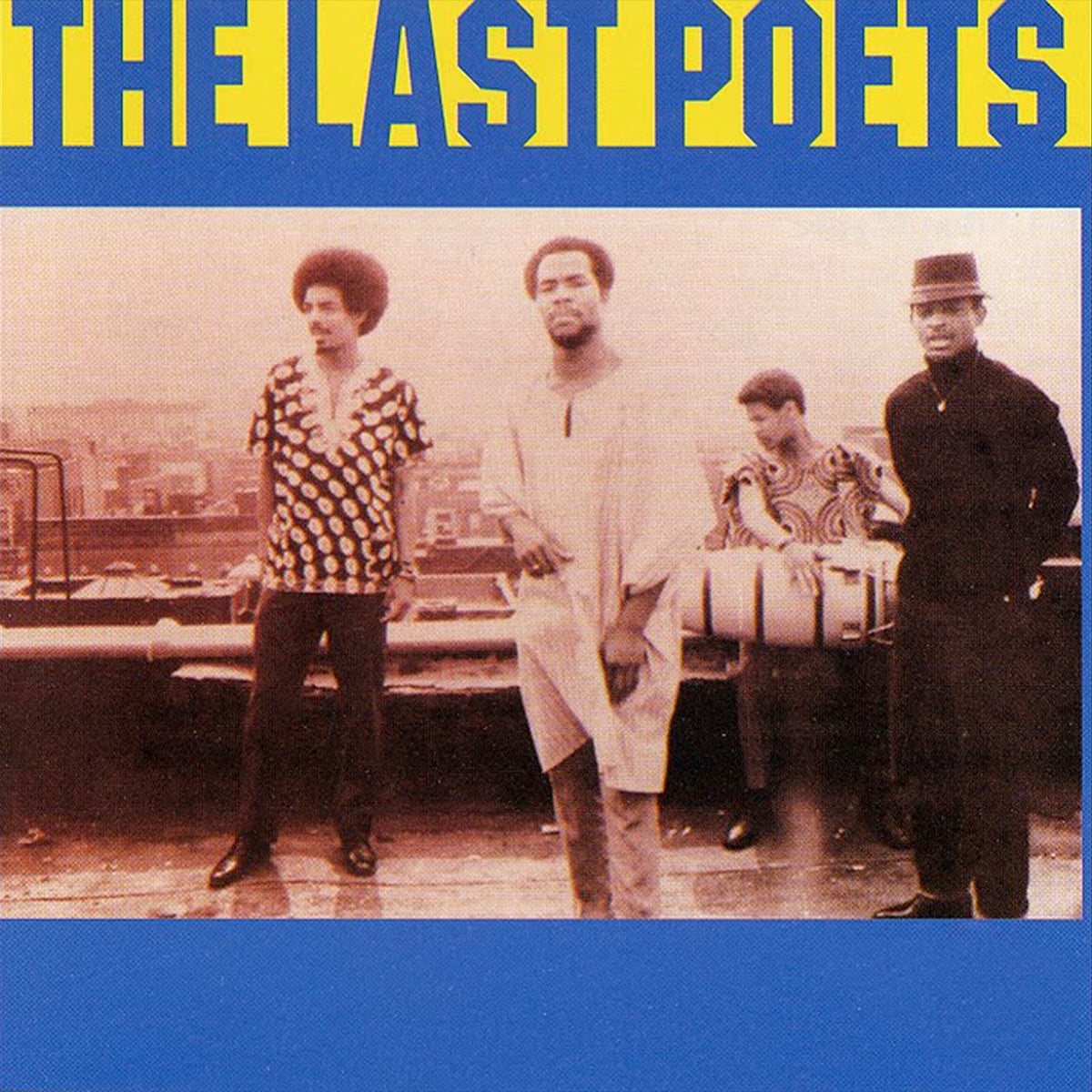
Release Date: June 1970 | Producer: East Wind Associates | Label: Douglas
The 1960s were a time of unseen political action since the revolutions that swept across 1840s Europe. With the establishment rocked by the grass-roots organising, the fervour in the air grew fiercer as the next decade arrived, the day’s US administration ever more paranoid over the subversive ‘enemy within’.
Amid the volatile climate was The Last Poets. An early rap group and musical collective formed in 1968 on Malcolm X’s birthday, their politically charged flow would bottle the street-level besiegement felt across Black America across their eponymous debut LP, a caustic document of inciting action and end times prophesied, informed by the involvement of the Civil Rights struggle and Black nationalism.
‘When the Revolution Comes’ marks the new detour society and Black struggle were taking into the 1970s, Abiodun Oyewole spitting hellish visions of the impending social overhaul, electrifying the air, taking pot shots at the straights, the Man, and even those in the fellow Black community whom The Last Poets deemed to lack sufficiently militant rigour.
Black Sabbath – ‘War Pigs’

Release Date: September 1970 | Producer: Rodger Bain | Label: Vertigo
Flower Power was hard to find among the working-class suburbs of Birmingham. Forming in Aston by the 1960s’ close, heavy metal pioneers Black Sabbath scored the political engulf across the Western world as they saw it, chiefly with hefty blues pummel, dungeon riffs, and lyrical reportage on the occult and humanity’s ever-present dark side.
Within the first few seconds of Paranoid’s opener, apocalyptic sirens send an alarming flash of entering a new, infinitely more dangerous world with the 1960s’ passing. Aiming square for the capital class’ blood-thirsty imperial machine while the Vietnam War’s napalm terror was demoralising the States and onlookers around the world, bassist and lyricist Geezer Butler set the politicians of the day as an evil coven of demonic harbingers, unveiling the sinister string pulling plunging all in peril.
Gargantuan and dramatic, ‘War Pigs’ marked a new sound for a radically changing climate, one where wide-eyed optimism had died a death long ago.
The Stooges – ‘1970’
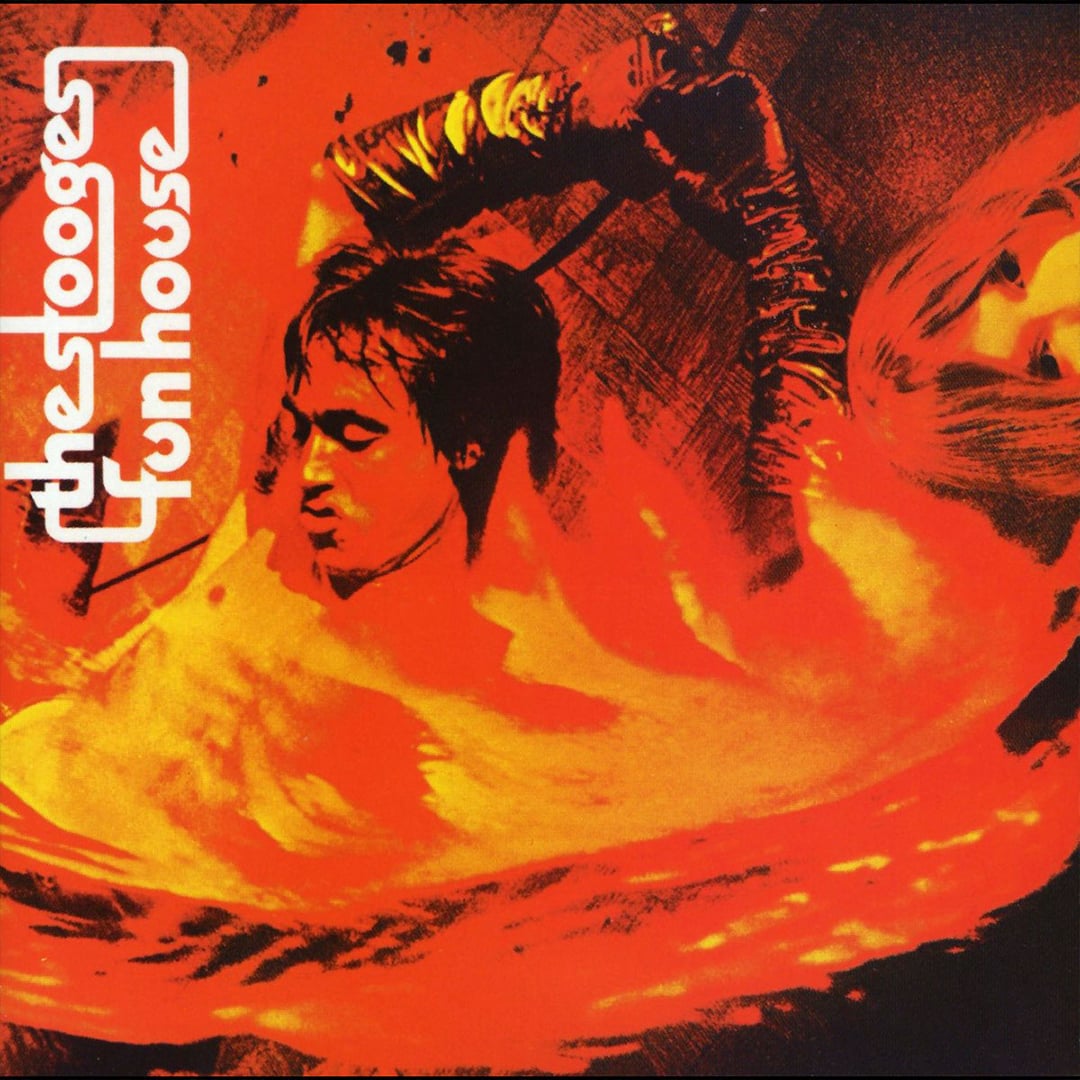
Release Date: July 1970 | Producer: Don Gallucci | Label: Elektra
The waning mire of the hippy dream by the decade’s close had already been gifted with a theme on The Stooges’ ‘1969’, channelling the boredom with peace and love coupled with a creeping musical conservatism threatening the radicalism frontman Iggy Pop was enthralled by. For their Fun House sophomore, the era’s chaos and the utopian idyll’s bad trip was afforded a sequel of sorts on the wildly febrile ‘1970’.
Opening the album’s second side, ‘1970’ captures the new cultural dawn in all its fraught trepidation and awaiting tumult. Scored by a thrashing garage attack and Steve Mackay’s shrieking sax, Pop screams the repeated refrain “I feel all right!” like a rabid animal, detonating a bomb of alienation lapped up by the incipient punks around the corner. Never lapsing into intellectual excoriation or explicit details on the counterculture’s slow passing, ‘1970’ simply bottles the day’s anguish on a primal, feverish level.
