



Five Oscar-worthy performances buried in bad movies

Amazing performances in bad movies are comparatively rare in the grand scheme of things.
Generally, that’s just not how moviemaking works, and if a film is bad, everyone goes down with the ship. However, sometimes an award-worthy performance trapped within a terrible movie will make itself unflinchingly known, and you’ll spend your life trying to convince people of it to serve the actor’s big efforts.
In these scenarios of resoundingly panned stories by critics and audiences alike, a performer’s strong work manages to arguably be worth savouring every bit as much as the ones nestled comfortably in the classics everyone agrees are great.
Ranging from a sterling effort to keep a preposterous horror sequel from going off the rails to one of modern cinema’s greatest actors proving himself a dab hand at comedy, here is a list of five steady contenders for Oscar-worthy performances buried in bad movies.
Five Oscar-worthy performances in terrible movies:
Rose Byrne – Renai Lambert ‘Insidious: Chapter 2’
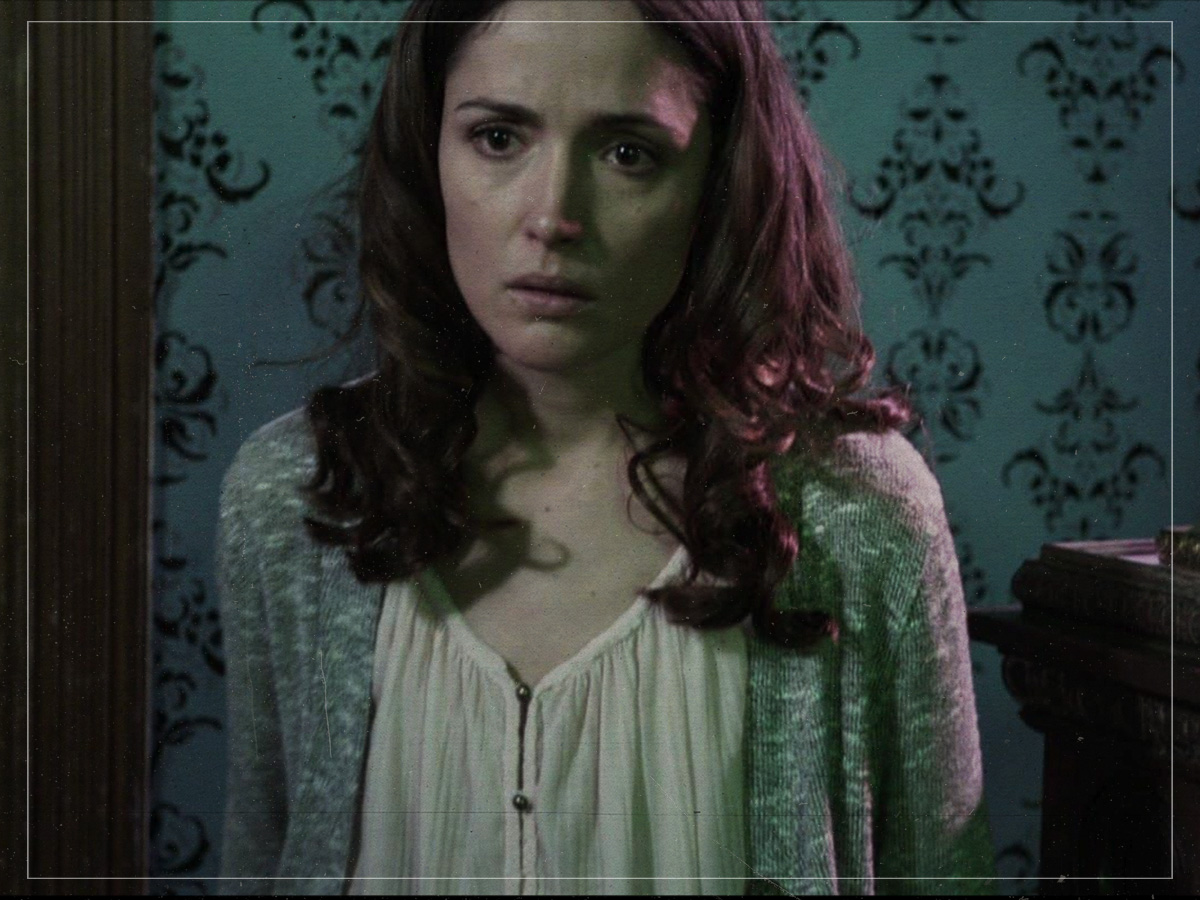
Performances in horror movies are criminally overlooked by the Academy and by many critics at large, so for a horror film to be good, the actors have to sell the audience on the reality of a heightened situation. In the wrong hands, it may tip into unintentional comedy, and while naturally many fall into this very gorge, it’s mostly always due to the performances not being up to snuff. However, if there was ever an awards-calibre performance in a horror film that still fell off a cliff, it’s Rose Byrne’s turn in Insidious: Chapter 2.
In James Wan’s 2011 Insidious, Byrne and Patrick Wilson played a couple whose son seemingly falls into a coma, which they appallingly discover is him astral projecting into another dimension called ‘The Further’, a replica of the real world turned noir, with a dry ice machine cranked up to 11. All this is to say, it’s pretty silly stuff, but Byrne and Wilson make you believe in it.
Then, in Chapter 2, when Wilson got to channel The Shining‘s Jack Torrence, Byrne equipped herself brilliantly to match his stride. Her performance is heartfelt and complex as a woman perpetually terrified yet devoted to keeping things together for her children, no matter the effort. With Byrne’s grounding presence, the already ridiculous narrative is rendered watchable, and that’s singularly a compliment to her acting chops.
Philip Seymour Hoffman as Sandy Lyle – ‘Along Came Polly’
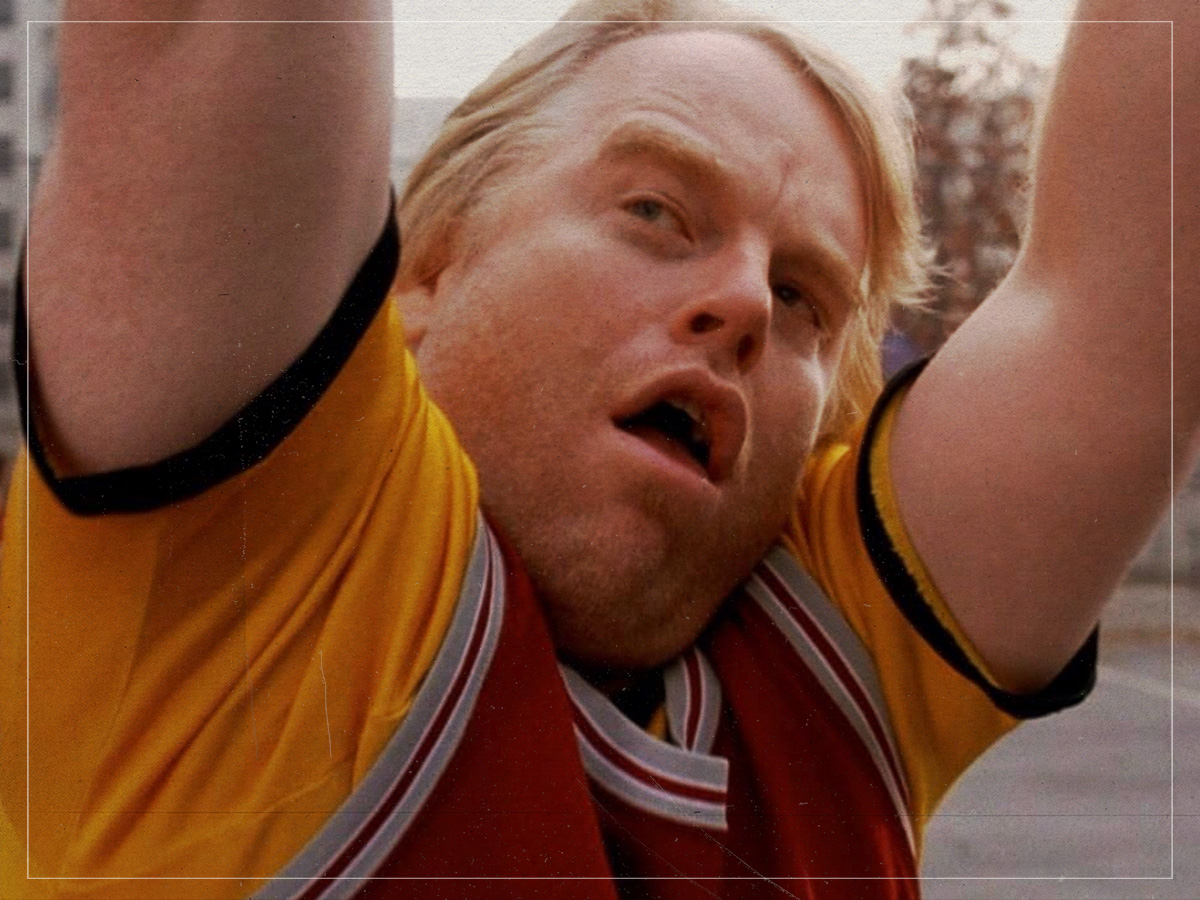
Philip Seymour Hoffman was truly a great actor to be able to stand out as Sandy Lyle from the early 2000s’ rote Ben Stiller/Jennifer Aniston romcom, Along Came Polly.
In the film, Lyle is a former child actor who has grown up to become an oblivious loser, paying a camera crew to follow him around and shoot material for a documentary that no one will ever watch. He is a loudmouth who mistakenly thinks he’s God’s gift to acting, women, and his pal Stiller’s love life, yet routinely proves himself to be none of these things.
The reason I believe Lyle was an Oscar-worthy creation of comedic genius, though, is that Hoffman simply strolled into a broad comedy, something he’d never made before, and did it better than most people who are comedians by trade. Every one of his scenes is hysterical, and he adds so much to what could have been a forgettable side character. I always chuckle when I think of him squeezing all the grease off Stiller’s pizza onto his slice, or delivering the perfect pratfall at a wedding, or, best of all, being the worst pick-up basketball player in history. The man could do anything: “Let it rain!!!”
Benicio Del Toro as Alejandro Gillick – ‘Sicario: Day of the Soldado’
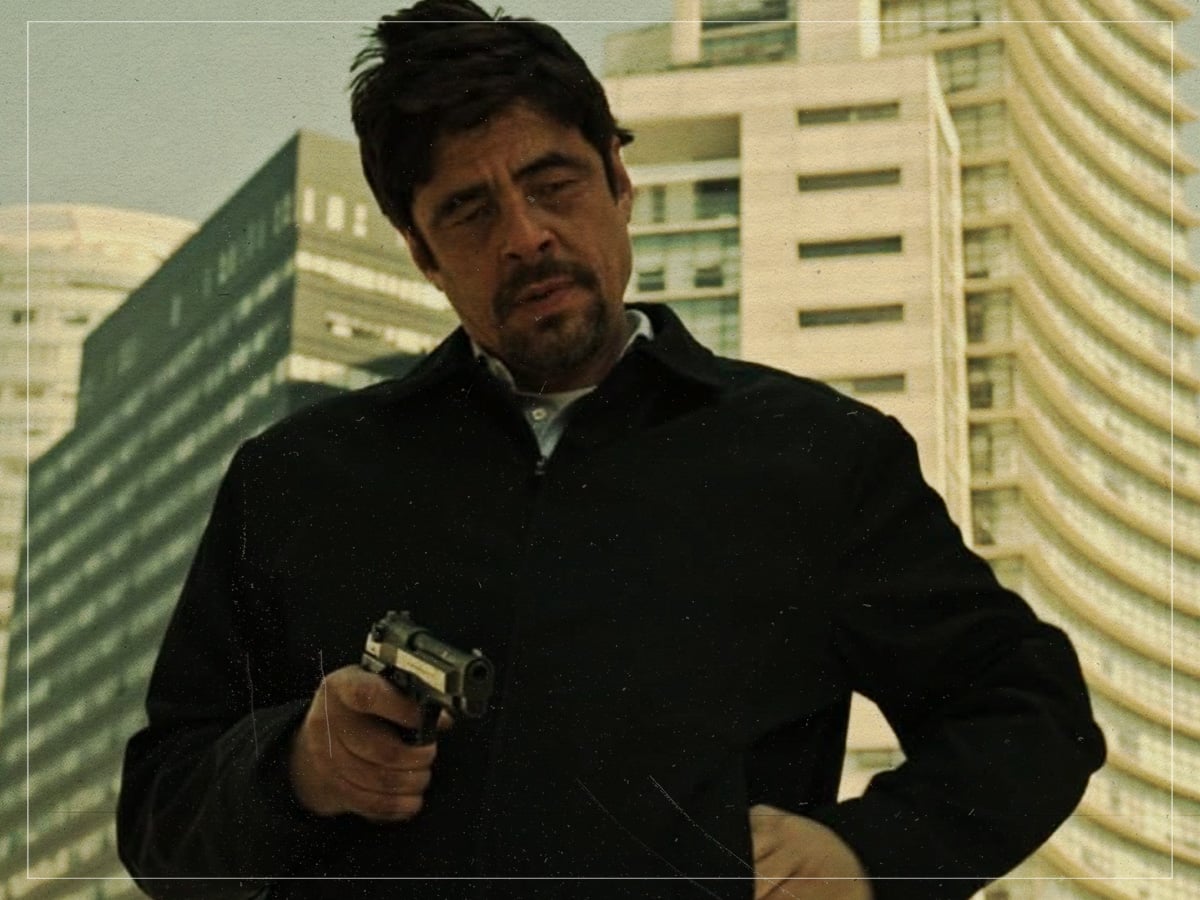
Keep your ponderous, sand-based sci-fi epics, for I prefer my Denis Villeneuve bounding about in the gritty, tension-stretched-to-breaking-point crime mode that is 2015’s Sicario, and the standout performance in that film was definitely Benicio Del Toro’s mysterious Alejandro Gillick. A man of few words, his character remains ever just out of reach of full explanation, even when by the movie’s end we find out his cartel origin story.
When the sequel, Sicario: Day of the Soldado, it fashioned the character into one reminiscent of Clint Eastwood in his pomp: a taciturn man who has seen and done some very dark things, but has a moral code that sets him apart from others like him, and he was absolutely magnetic.
The problem lay with the film being off-kilter, and while Del Toro may arguably be even better than he was in the first instalment, it is barely a patch on Villeneuve’s original. Sure, it has some barnstorming action scenes but they just don’t add up to a satisfying whole, and if it’s possible for an actor to be Oscar-worthy in a mostly bad kind of good vehicle, that is Sicario 2.
Ernie Hudson as Solomon – ‘The Hand that Rocks the Cradle’

When Ernie Hudson spoke to Cryptic Rock in 2023, the veteran character actor mused, “It’s funny because I look at my wall and it’s absent from any Academy Awards and I kind of go, ‘Well, I hope I’ve done a good job’. The fact that they keep calling me to work, maybe that’s the sign that you know the work is good.”
Well, I can tell you something for nothing, Mr Hudson, I reckon you delivered an Oscar-worthy turn in The Hand that Rocks the Cradle, even if that movie was an absurd, histrionic domestic thriller that would never fly in 2025. Ironically, there is actually a remake of the film on the way in late October, but I’d be shocked if the plot wasn’t altered pretty significantly. After all, even in ’92, it was controversial in certain quarters for playing on the fear and guilt most new mothers feel about returning to work after their babies are born. Ironically, though, the part that would be most controversial today is Hudson’s, yet it’s also by far the strongest aspect of the film.
He played an intellectually disabled handyman named Solomon, who is the only person who instantly recognises new nanny Rebecca De Mornay’s sinister fucking intentions, but she convinces him that no one will ever believe his story and threatens him in an uncomfortably sexual way. Hudson was determined to get things right, so he conducted extensive research among folks with similar intellectual deficiencies before cameras rolled, and it truly shows in his nuanced output of Solomon, never overplaying his character’s disability, like so many goddamn actors do.
Ralph Fiennes and Emily Watson as Francis Dolarhyde and Reba McClane – ‘Red Dragon’
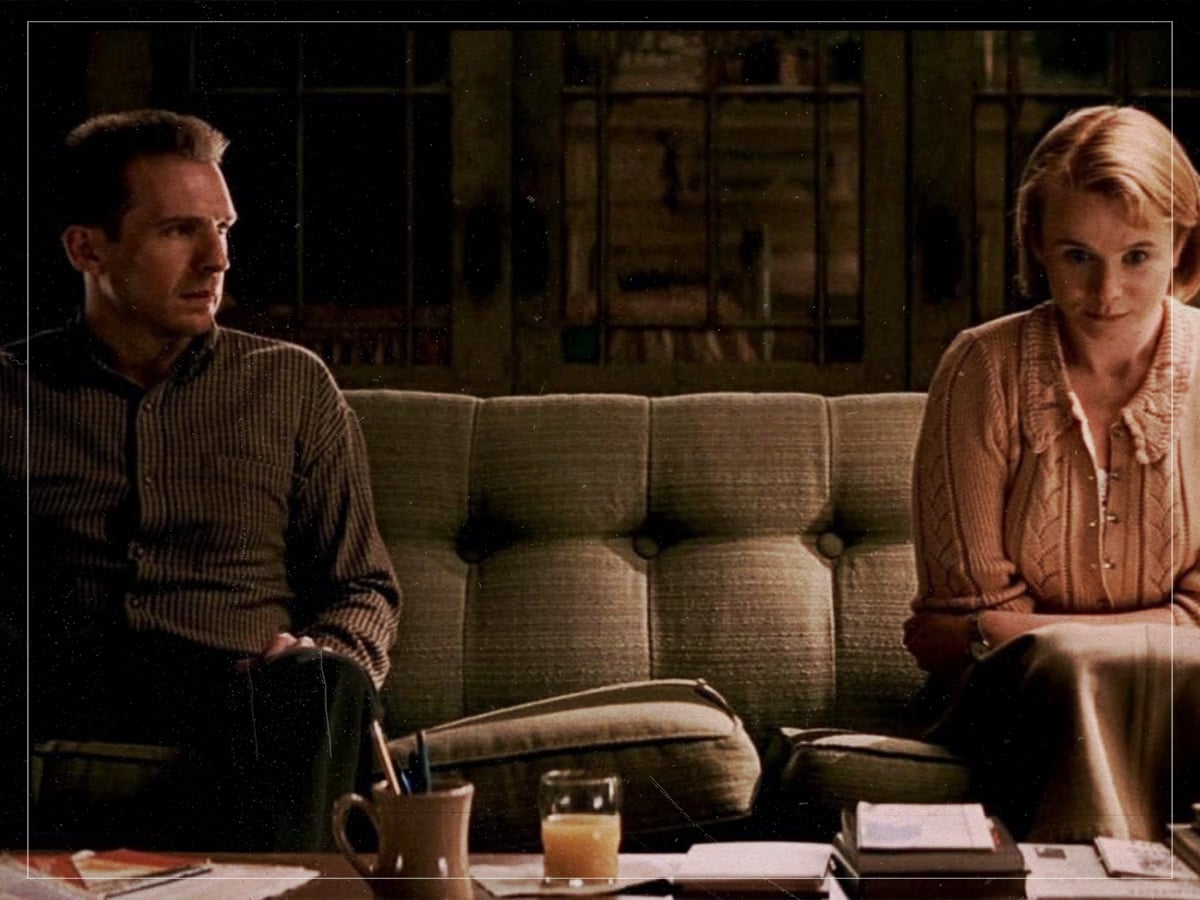
Red Dragon ended up being a mediocre film, despite the embarrassment of riches the director assembled with his cast of Anthony Hopkins, Edward Norton, Philip Seymour Hoffman, Emily Watson, Harvey Keitel, and Mary-Louise Parker and the villain played by Ralph Fiennes. Brett Ratner, whose CV at the time consisted primarily of two Rush Hour films and the syrupy Nicolas Cage vehicle The Family Man, can handily be highlighted as the culprit in capsizing a Hannibal Lecter film of all things.
It takes a special kind of hack to make a bad film that boasts performances as harrowingly beautiful as Fiennes’ Francis Dolarhyde and Watson’s Reba McClane, a serial killer and his blind love interest. Fiennes is a goddamn revelation, by turns terrifying and pathetic, monstrous and sympathetic, while Watson brilliantly plays a woman who feels like she can see the kind-hearted person inside Dolarhyde, even if he’s already too far gone into madness to see it himself.
Each of their scenes together is balanced on a knife-edge of tension and romance, and the sheer excellence of their performances almost manages to overshadow Ratner’s direction. It’s also why the story’s climactic high, as Dolarhyde’s house burns to the fucking ground around them, is rendered heartbreaking and terrifying in equal measure. They deserved to have been playing these characters in a much, much better film, as that might have taken them to the Oscars.
