


Five opening movie scenes that come full circle in the closing moments

The opening scenes of movies have a lot of work to do.
They have to engage an audience right off the bat, lest the entire film fall foul of the dreaded short attention span. They have to establish characters, setting, context, plot, and just about everything within minutes. No pressure then?
These five openings not only do all that but also lay the groundwork for the last shot of the film as well. All of these stories pay off their first scenes in their final moments, wrapping everything up in a pretty little bow. Audiences had to be patient while sitting through these establishing moments.
A lot of them aren’t connected to the rest of the film and straight-up don’t make sense on their own as well, but they’re worth sitting through, given where they end up taking the narrative.
All of these entries contain MASSIVE spoilers for the films they are about. Not just the openings and endings, but the entire plots. You have been warned!
Five opening scenes that come full circle
‘Pulp Fiction’ (Quentin Tarantino, 1994)

The very nature of Pulp Fiction lends itself perfectly to a neat wrap-up.
The three stories that make up Quentin Tarantino’s sophomore effort are told out of order, hopping around the timeline to the point where a character who died in a previous segment is alive and well in the next one. The story starts with two lovers, played by Tim Roth and Amanda Plummer, who romantically discuss robbing a diner. ‘Pumpkin’ and ‘Honey Bunny’ start pointing their guns and yelling profanities (this is a Tarantino film, after all) before the opening credits hit. Viewers are left waiting to see these two again, as they don’t crop up again until the finale.
After John Travolta’s Vincent Vega and Samuel L Jackson’s Jules Winnfield go through their ordeal in the third segment, they find themselves in that very same diner as in the film’s prologue. Jules, who is contemplating getting out of the hitman game, is held up by Pumpkin, whom he calmly and swiftly disarms. Jules’ fate is left open-ended as he and Vincent walk away, having thwarted a pair of criminals not unlike them.
‘Eternal Sunshine of the Spotless Mind’ (Michel Gondry, 2004)
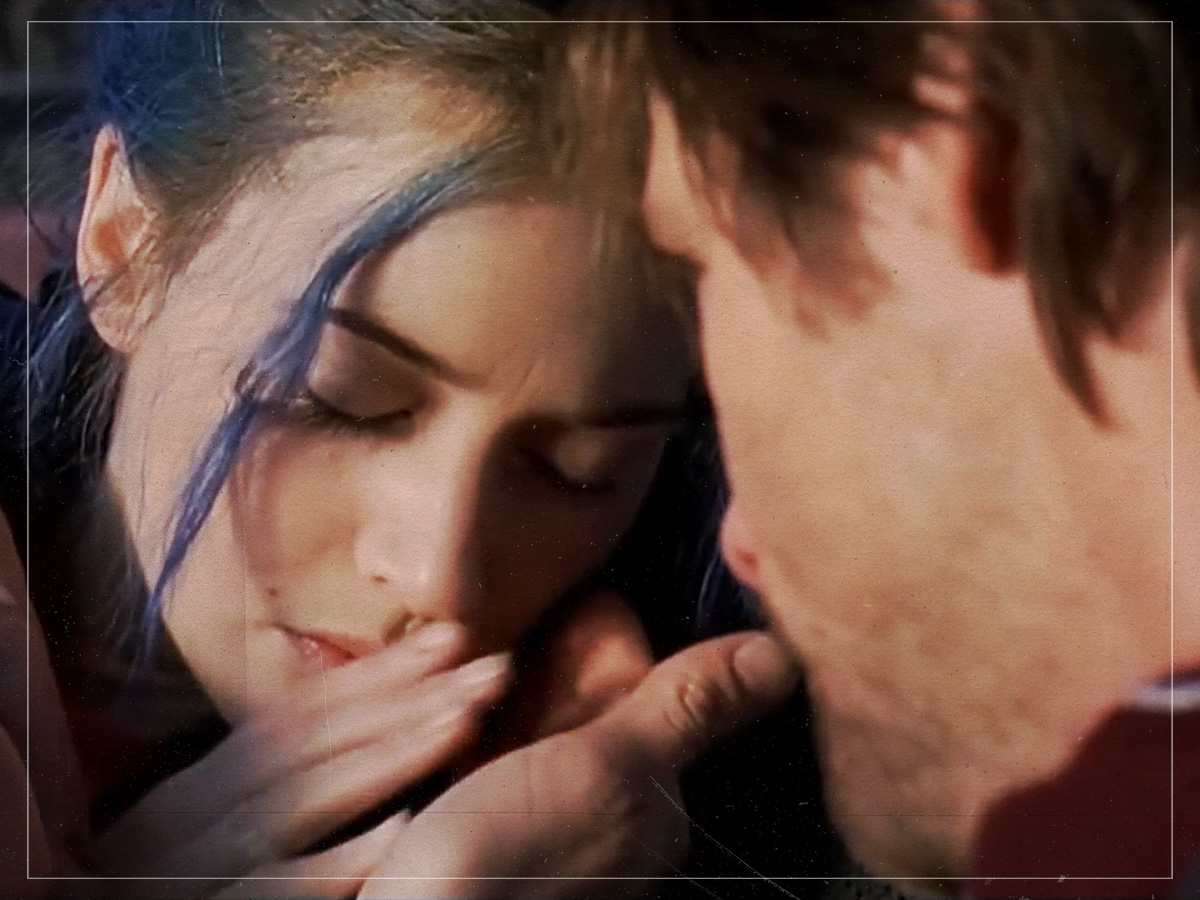
Michel Gondry’s non-linear rumination plays out like a typical rom-com, with Jim Carrey’s beanie-ed up Joel meeting Kate Winslet’s blue-haired Clementine on a train from Montauk, Long Island. However, we find this is not your typical meet-cute.
Joel and Clementine (often labelled the originator of the ‘manic pixie dream girl’) have not only met before, but have been in a serious relationship, which, when dissolved, led them to the professional procedure to erase each other.
The ending brings us full circle, providing the much-needed context missing at the start of the film. We’re left wondering just how many times Joel and Clementine have done this, feeling bittersweet trepidation about the prospect of them electing ‘one more go’. All of this perfectly reframes their ‘first’ meeting, which serves as a microcosm for the story. Eternal Sunshine is a deconstruction of yearning while recognising that the beauty of love lies in multi-linearity.
‘Arrival’ (Denis Villeneuve, 2016)

Denis Villenue’s world opens with extending the meaning of learning foreign languages and sees Amy Adams playing Louise Banks, a linguist brought in to communicate with a race of aliens who land on Earth. She eventually realises that their language is cyclical, much like their perception of time.
The ETs don’t experience events in the same order that humans do, which is why they have come to Earth in the first place. It turns out that they have a warning for humanity and for Louise specifically: get busy with Jeremy Renner or everyone dies.
The aliens have gifted Louise their ability to perceive the future, which allows her to pass on vital information to those living in the present. This gift also gives her premonitions of her unborn daughter, whose death we hear about in the opening scene. Louise is then forced to decide if she wants to conceive her daughter with Renner’s character, knowing the grief she will nurse in her absence.
Any movie that plays around with time like this can get really muddled, but Arrival handles it deftly by grounding the mechanic in something so relatable. It is still a little confusing, though.
‘Predestination’ (The Spierig brothers, 2014)
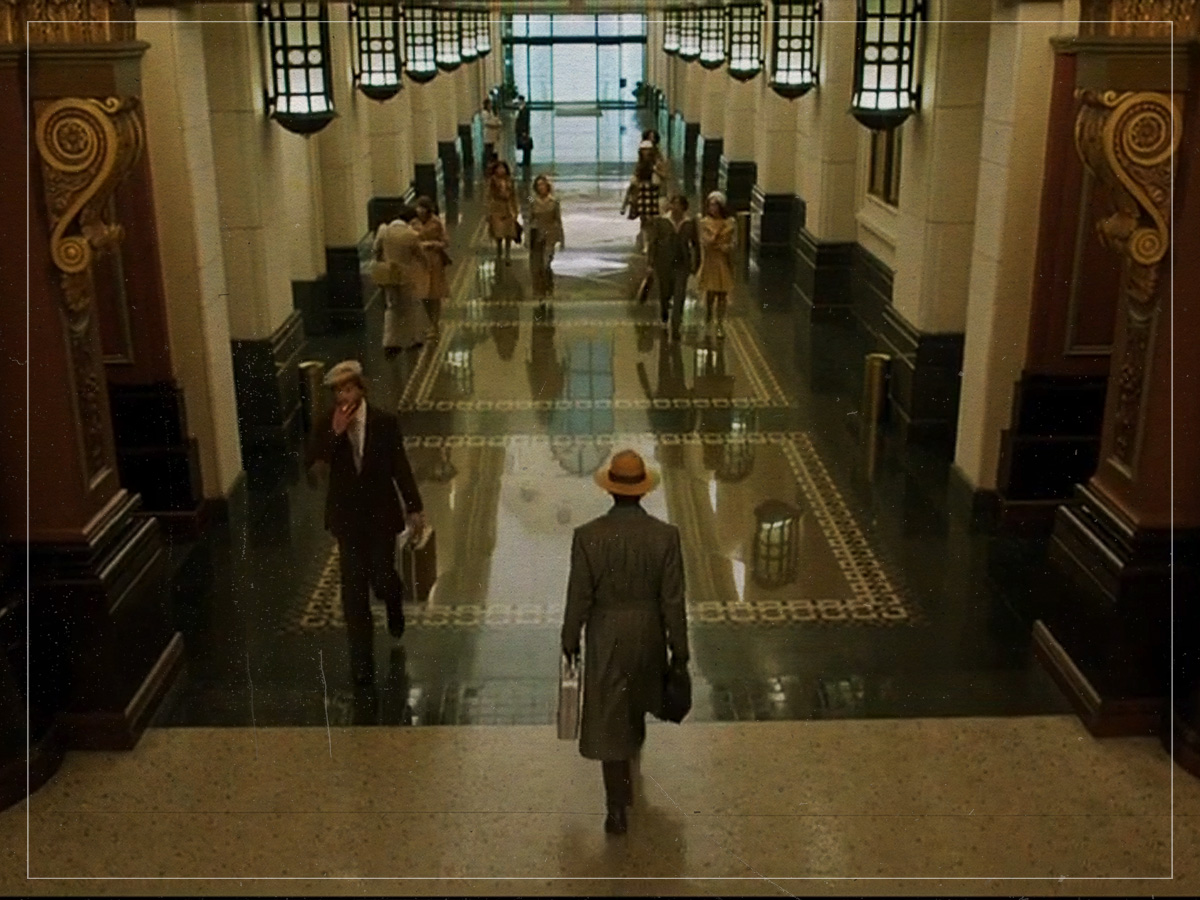
If you eluded Arrival‘s confusing maze and are looking for a challenge, then get ready for Predestination. This sci-fi thriller’s central conceit is simply time travel.
Ethan Hawke plays a Temporal Agent who is tasked with stopping a bomber from committing their crime. He fails and is badly wounded in the explosion, but is saved from death by a mysterious figure who helps him travel to a different era. You can probably figure out where this is going.
Through a series of incredibly convoluted events, the Agent, who is called either ‘Doe’ or ‘The Bartender’, depending on who you ask, realises that he is the one who went back and saved himself, and that’s only half of it. He meets Sarah Snook’s John, an intersex man assigned female at birth. Through yet more shenanigans, John ends up fathering themselves with…themselves.
This is all revealed when the Agent is outed as both the bomber he has been chasing and an older version of John, essentially revealing that everyone was Ethan Hawke the entire time. Alright, that’s enough inhaling space dust for many lifetimes.
‘Citizen Kane’ (Orson Welles, 1942)
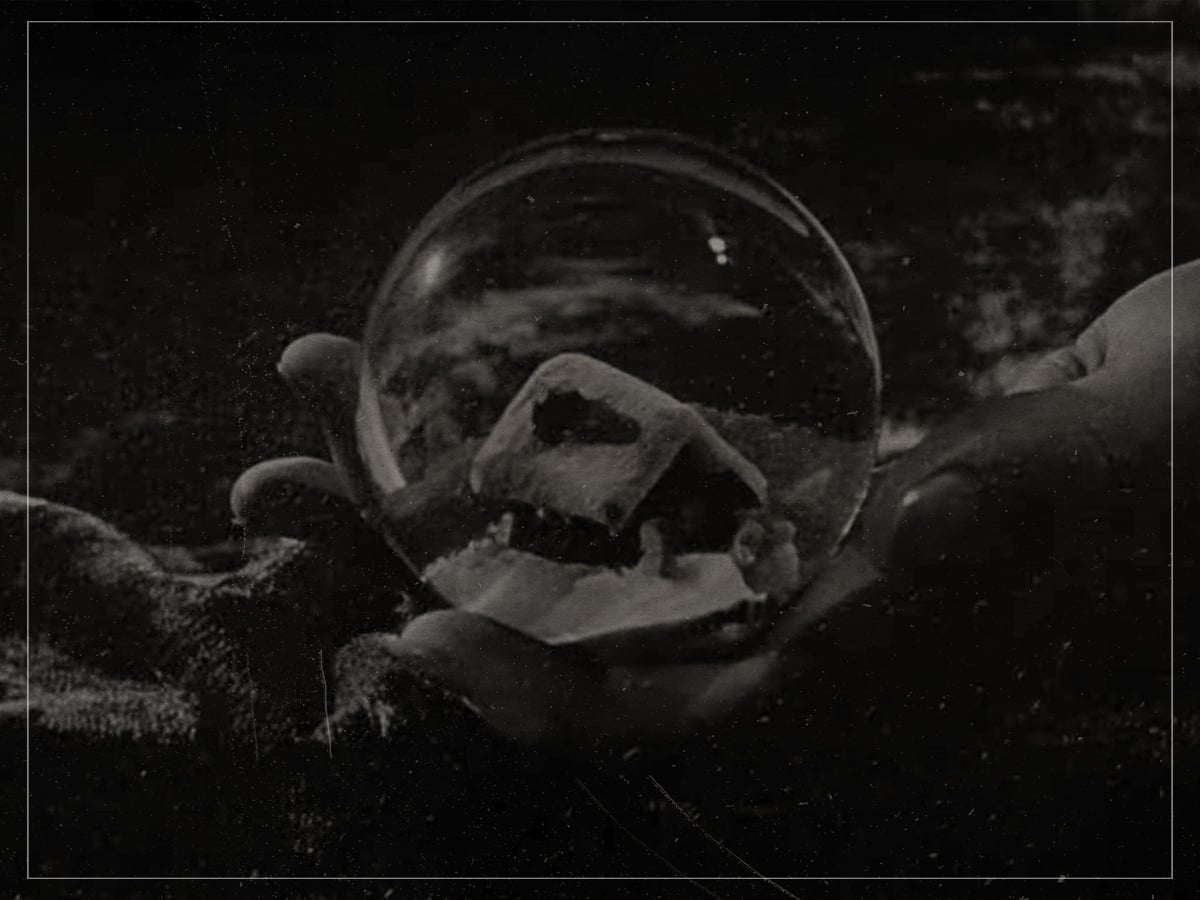
The first five minutes of Citizen Kane as a whole have become firmly entrenched in popular culture; a fitting achievement for the Goat (greatest of all time). If you need reminding, the film begins with Orson Welles’ titular Charles Foster Kane dying in his bed. He parts with a single word, ‘Rosebud’. This sparks a major investigation to try and figure out what the deceased media baron was on about.
The entire purpose of Citizen Kane is to demonstrate that all that glitters is not gold. Kane spent his entire life building an outrageous fortune, attempting to become a great and powerful man, before walling himself up in his fortress ‘home’, Xanadu. In his final moments, the one thing he longed for wasn’t money or his trophy wife, but a sledge. The sledge, which now belongs to Steven Spielberg of all people, was Kane’s favourite toy when he was a child, before life corrupted his innocent soul.
The film ends with the sledge being burned along with a bunch of other ‘useless’ possessions, revealing that there was one word written there the entire time. Bet you can’t guess what it is…

Never Miss A Take
The Far Out Quentin Tarantino Newsletter
All the latest Quentin Tarantino content from the independent voice of culture.
Straight to your inbox.