


Five musicians who failed at being directors

If the EGOT has taught us anything, it’s that talent is rarely transferable between mediums. There are only a handful of people who have won an Emmy, a Grammy, an Oscar, and a Tony over the years, and many of them only accomplished it within a single medium. For example, Elton John is an EGOT winner, but all of his awards are either for writing music or performing it.
So when an actor gets a record deal or a musician tries their hand at directing a movie, things can get rocky. There’s no denying the person’s talent in their primary line of work, but put Bob Dylan behind a camera or give Madonna a conspiracy-laden script about the British monarchy, and it becomes clear very quickly that creative talent does not always translate to other art forms.
Of the high-profile musicians who have tried directing, few have failed quite so spectacularly as the ones listed here, though there will always be passionate fans who will defend them to the end despite very clear empirical evidence that they are objectively in the wrong.
Keep in mind that this list is ordered chronologically. There is no hierarchy of badness here, just a very low bar that none of these artists managed to clear.
Five musicians who failed at being directors:
Frank Sinatra – None but the Brave (1965)
Frank Sinatra’s foray into directing could have been much worse. He probably benefited from being a creature of Hollywood, having appeared in multiple non-musical films and winning an Oscar for his role in From Here to Eternity in 1954. None but the Brave was a surprisingly risky film for a first-time filmmaker. It’s set on a Pacific island where a group of US Marines and Japanese soldiers have to make peace with each other.
This might sound like standard World War II fare, but it is a staunchly anti-war film, something that, before the US government began sending Americans to fight in Vietnam, was deeply unpopular. Despite noble intentions, Sinatra was not a natural director, especially when he had to direct himself. The acting is broad and the staging theatrical. In its defence, however, the pervasive bleakness about war was extremely progressive at the time, making it an admirable exercise in courage if not competence.
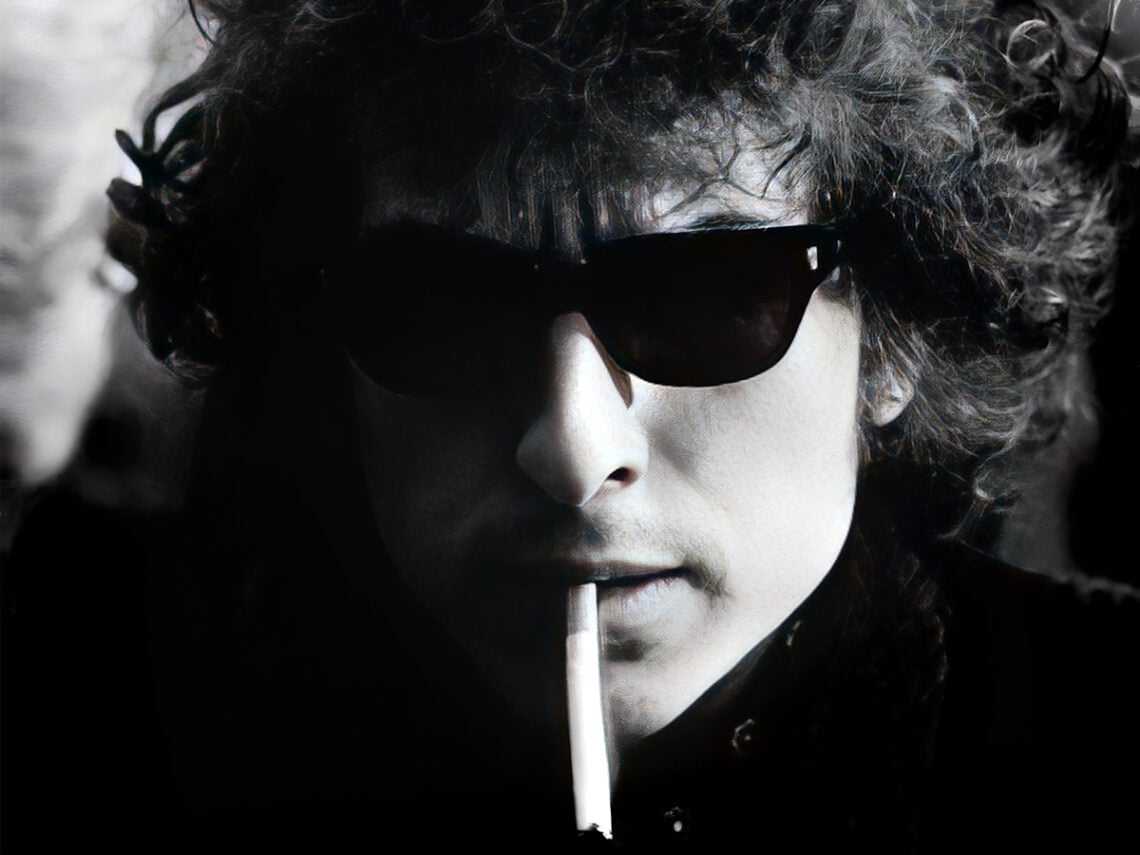
Bob Dylan – Renaldo and Clara (1978)
Bob Dylan is an autodidact of the creative world, having published multiple books of paintings and drawings alongside all those millions upon millions of records. But when he turned to filmmaking, he proved to be less adept.
Renaldo and Clara is a nearly four-hour pastiche of unfocused indulgence. It compiles footage from the 1975-76 Rolling Thunder Revue tour, documentary interviews, and something akin to narrative vignettes. Unless you’re a die-hard Dylan fan with a sadomasochistic streak, you will find little to enjoy along the way. The musician called in some favours, so you may perhaps find much-needed relief in the appearances of Allen Ginsberg, Joni Mitchel, Sam Shepard, and Harry Dean Stanton, but if we resign ourselves to watching Bob Dylan hanging out with his famous friends, why must we also endure him playing a character named Renaldo and while Ronnie Hawkins plays Dylan?
The musician can be commended for attempting a sprawling—so, so sprawling—artistic endeavour. There are those who insist this is a misunderstood masterpiece, but they are few and far between. Case in point: it was pulled from distribution shortly after its release due to the negative reception.
Prince – Under the Cherry Moon (1986) and Graffiti Bridge (1990)
Prince was a natural performer as well as musician, so it’s not surprising that he excelled as an actor in the smash hit Purple Rain in 1984. When he took over the direction of Under the Cherry Moon two years later, the results were much less dazzling. Set on the French Riviera in the 1930s and shot in black and white, the film follows Prince as a gigolo who seduces wealthy women alongside his friend, played by Jerome Benton. It’s a tonally dissonant comedy/tragedy that fails to conjure emotion despite the lavish production values and effortful acting.
1990’s Graffiti Bridge was even worse. As the unofficial sequel to Purple Rain, it had potential, but Prince wrote and directed this one, and the results are unintentionally funny until they become desperately boring. The fact that the musical numbers feel more like music videos is just an unwelcome reminder that they really should have been.
Madonna – Filth and Wisdom (2008) and W.E. (2011)
Let’s start by acknowledging that Madonna should be applauded for not acting in her own films. Unfortunately, that is about the only good thing that can be said of them. Filth and Wisdom stars Gogol Bordello frontman Eugene Hütz as a Ukrainian immigrant who funds his quest to become a rockstar by working odd jobs and sharing a flat with a ballerina-turned-exotic dancer and a drug-addicted pharmacist’s assistant. It’s an unfunny, unmoving romantic drama full of offensive stereotypes and tone-deaf dialogue that appear to be a stab at inclusivity.
2011’s W.E. was poorly received when it was released but has aged disastrously thanks to the outsized presence on and off-screen of disgraced businessman and conspiracy theorist Mohamed Al-Fayed. With a stilted script and revisionist approach to the lives of Wallis Simpson and King Edward VIII, it isn’t just a laughably bad movie, but a film riddled with inaccuracies and unsavoury real-life characters cast as heroes.
RZA – The Man with the Iron Fists (2012)
One of the tenets of modern takes on exploitation movies is that there must be a hint of humour about them. Everyone needs to be in on the joke because we all know that none of it can be taken seriously. But Wu-Tang Clan’s RZA took the martial arts genre with deadly seriousness, and the results are intensely annoying.
The Man with the Iron Fists wasn’t helped by the fact that Russell Crowe, an actor prone to taking himself too seriously, appears in a major role, nor the fact that RZA struggles in the acting department. Quentin Tarantino was involved with the project from the beginning, lending his exploitation expertise in a way that was clearly more similar to Death Proof than Kill Bill. The only saving grace of this production is that the original four-hour cut was chiselled down to an interminable 96 minutes.

Never Miss A Tale
The Far Out Bob Dylan Newsletter
All the latest stories about Bob Dylan from the independent voice of culture.
Straight to your inbox.