


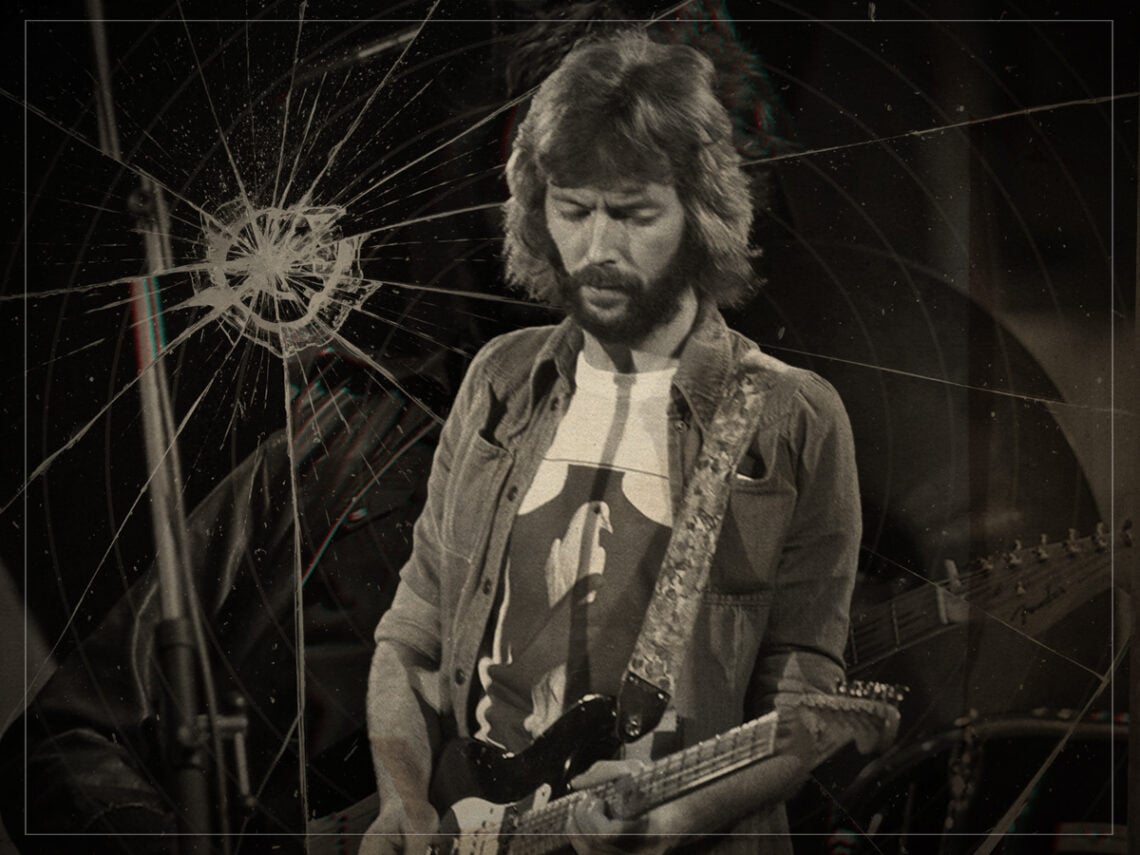
Five musicians who hate Eric Clapton with a passion: “He’s a famous racist”

At first glance, this hatred may seem a little unwarranted. Eric Clapton‘s work in music is almost unimaginably vast.
Having been an integral cog in the music machine that launched British rock to the pinnacle of culture in the 1960s, through stints in acclaimed bands like The Yardbirds and John Mayall and the Bluesbreakers, Clapton would continue his reign as one of the finest guitarists of all time in a series of supergroups. It is a marvel that he has since become one of the most polarising figures in rock music.
Founding perhaps the most cantankerous outfit of all time in Cream, Clapton would once again pull off the trick of enigmatic axeman in Blind Faith and, later, helming Derek and the Dominos, which points to Clapton being regarded as one of the most talented guitarists of all time. Known as Slowhand to some and simply as ‘God’ to one particular London vandal, Clapton’s reputation as one of the greats of the business was shot down in the ’70s — the man holding the smoking weapon? Clapton himself.
In 1976, during one of the darkest periods of racial tensions of the 20th Century, Clapton voiced his support for the far-right politician Enoch Powell. The British Conservative MPs’ anti-multicultural views had taken a stranglehold of swathes of the country. It was into this den of degenerate populism that Clapton ventured. The drunken guitarist decided to voice his own unwelcomed opinions on the matter during a visit to Birmingham that year.
The musician began his remarks in the worst possible way, addressing the audience: “Do we have any foreigners in the audience tonight? If so, please put up your hands. So where are you? Well, wherever you are, I think you should all just leave. Not just leave the hall, leave our country. I don’t want you here, in the room or in my country.”

“Stop Britain from becoming a black colony. Get the foreigners out,” exclaimed Clapton to his captive audience. “Get the w*gs out. Get the c**ns out. Keep Britain white,” he added. While it has been made abundantly clear in the statements that followed the comments that Clapton was inebriated, it does not disqualify the heinousness of his words. Of course, Clapton has routinely distanced himself from such views in the years that followed, expressing great regret for the racist comments.
“I was so ashamed of who I was, a kind of semi-racist, which didn’t make sense,” he said. “Half of my friends were black, I dated a black woman, and I championed black music,” in comments that will make the majority of those reading shudder.
Clapton is now sober, but anybody hoping that he may have curtailed his viewpoint over the years – or decided to take the high road when it comes to confrontation – will be sadly mistaken. Not only has he continued to be a tough customer when it comes to viewpoints on either his own music or the work of others, but during the global pandemic, as thousands died and millions were left terrified about what their new future may look like, the guitarist claimed the vaccine was dangerous after he had taken it, telling Oracle: “I lost the use of my hands for about three weeks. I thought I was in real trouble.”
“Now I’ve stopped watching TV,” Clapton continued. “One of the cartoons was a drawing of a guy interviewing two Quakers, and saying, ‘How come none of your community have got Covid?’, and he says, ‘Well, we don’t watch TV’. It’s so true man, so much of the sickness is in our heads.”
The former Cream man later clarified his comments by suggesting he was “neither anti nor pro” the vaccine. “I’m freedom of choice, really, and respect for other people, and kindness, and the things that used to motivate, or were things to aspire to. Aspirations towards goodness,” he said. “And I’m also quite, in an abstract way, religion – I believe in God and I think there’s a purpose. And this seems to be my purpose for the moment.”
However, it would seem that the damage is already done, and Clapton’s reputation as one of the greats of music history is forever tarnished by his unsavoury actions. Most cases like this would see an influx of contemporaries clamour to protect the musician, but such is his stance that even the music world has turned on Slowhand. Below, we’ve got five musicians who truly dislike the man.
Five musicians who hate Eric Clapton:
Phoebe Bridgers
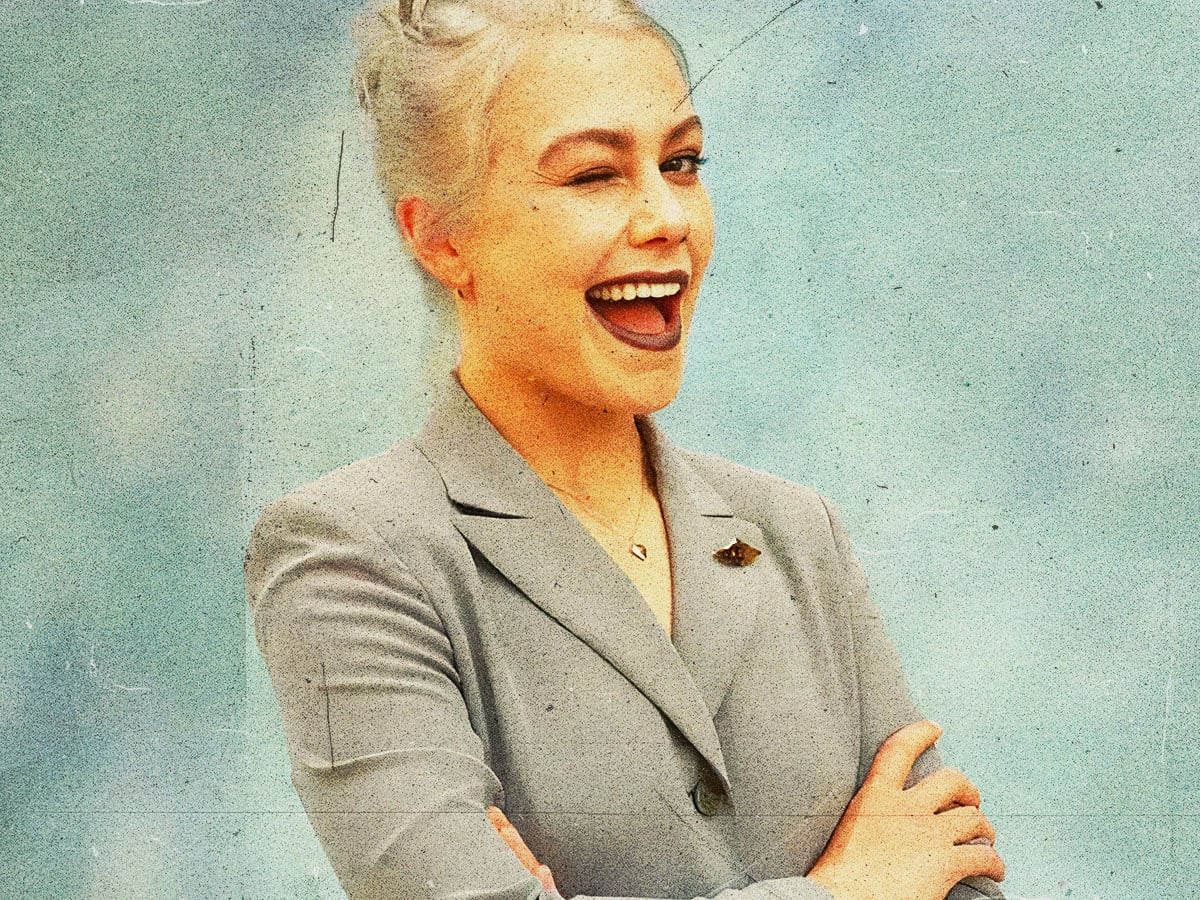
Perhaps the most vocal of Clapton’s detractors has been Phoebe Bridgers. One of the finest songwriters of her generation, the ‘Kyoto’ singer has also been forthright in her stance against the words of so-called musical icons. Not only did she call David Crosby a “little bitch” for complaining about her SNL guitar smash, but she also took aim at Clapton in her Punisher track ‘Moon Song’.
Speaking to the tragic 1991 loss of Clapton’s son, the lyric reads: “We hate ‘Tears In Heaven/ But it’s sad that his baby died”. The songwriter later explained the line to Double J: “I have such an Eric Clapton rant because I think it’s just extremely mediocre music, but also, he’s a famous racist. Sometimes, I think people are too problematic to be cancelled or not relevant enough to be cancelled. I mean, it wouldn’t even make news if he said something racist today because he went on a racist rant in the ’60s or ’70s that was very famous.”
Artists like Bridgers are right to remember the incident which, despite being apologised for, has never sat well with the music community.
The Yardbirds

Of course, if you were looking for musicians who have hated Clapton over the years, then his ex-bandmates are probably a great place to start. Notoriously difficult to work with, his Yardbirds colleagues have spoken out against him.
Drummer Jim McCarty, when speaking to The Guardian, said of the guitarist: “Eric had these R&B mod songs he wanted us to do. Him leaving was a relief. Eric would be sitting in the van not talking to anyone. You’d think he’s so moody, he’s such a pain, we’re fed up with this.”
While not technically a bandmate, his Yardbirds replacement Jeff Beck noted that he and Clapton shared “an uncomfortable rivalry” before his passing. “I found out later from Pattie, his wife, that there definitely was [rivalry] – especially with the Stevie Wonder stuff. He was not too amused about me doing something successful with Stevie. I think that maybe got under his skin a bit.” However, it should be said that it would appear Beck and Clapton’s friendship largely outweighs their competition.
Rita Coolidge
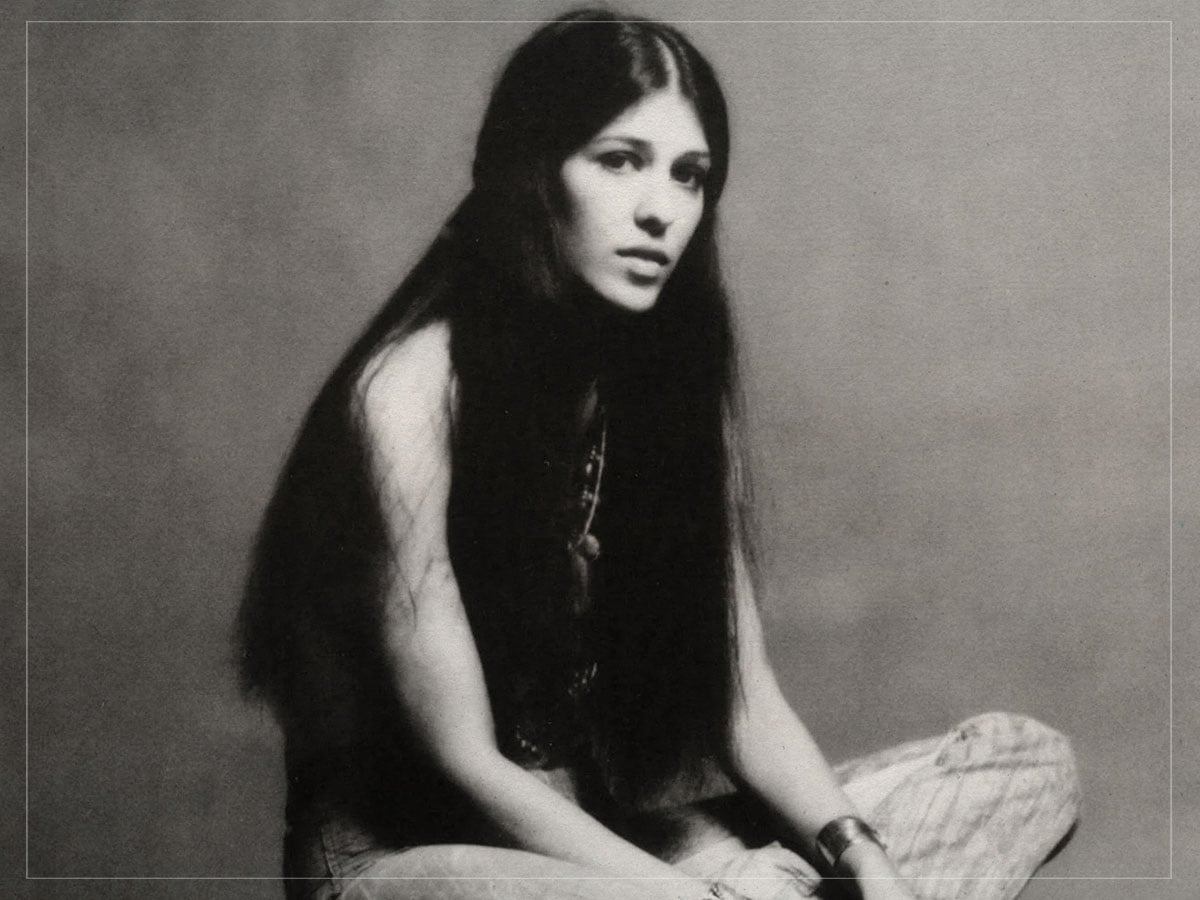
While Clapton’s general demeanour is often cited as a reason for the distaste that follows him around, Rita Coolidge has a more singular reason for her disdain. While dating Clapton’s drummer Jim Gordon, she created the piano outro for Derek and the Dominos’ biggest hit ‘Layla’.
However, Gordon took full credit for that part of the track, and Coolidge was never given the credit she believed she deserved. “I’ve never had a conversation with Eric about probably anything,” Coolidge revealed to The Washington Post, “He always made me feel … like I was beneath him.”
It’s, of course, a position that arose from a business decision, but it is clear that there was no personal feeling in consideration when Clapton decided to ignore the credit.
Robert Cray
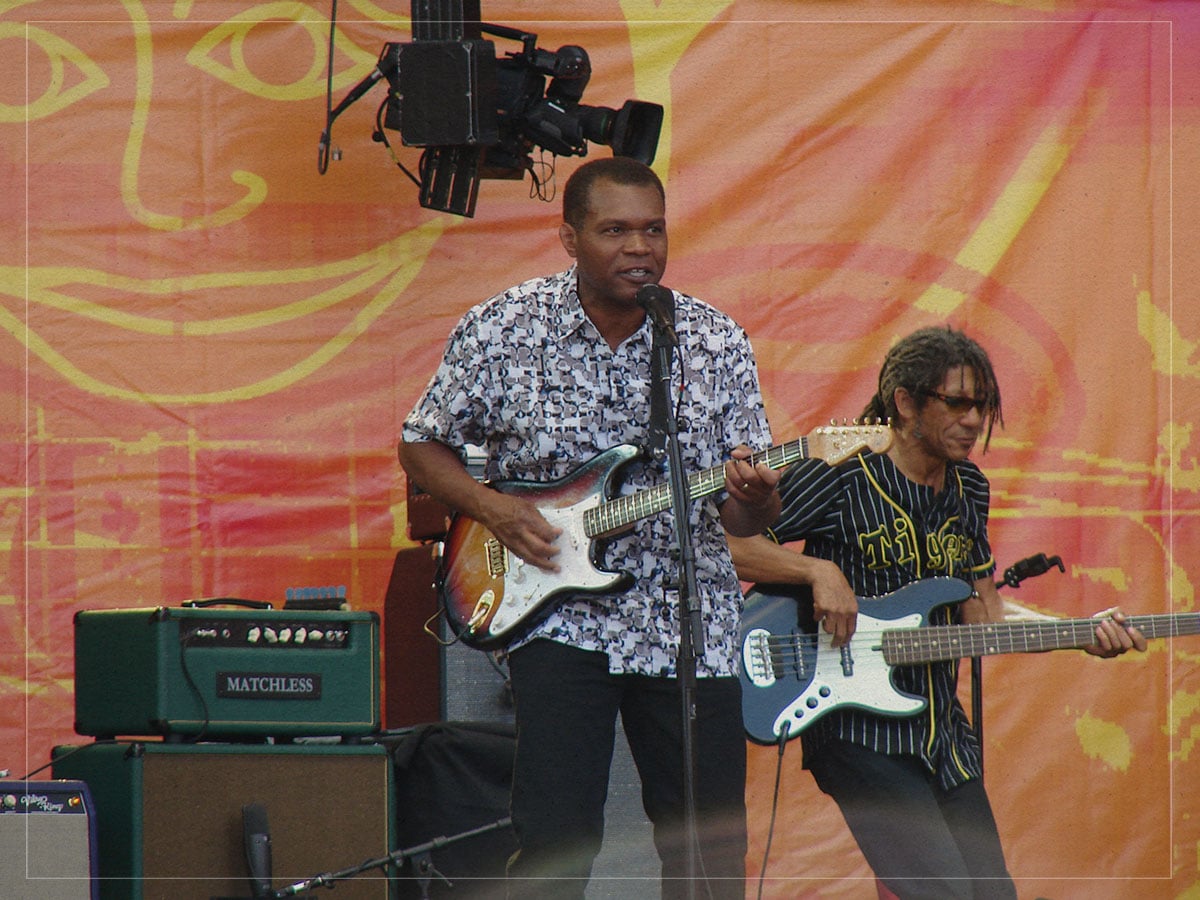
Older musicians tend to stick together, and Clapton and Robert Cray had been touring buddies since the 1980s. However, when Clapton released his anti-vaccine song with Van Morrison titled ‘Stand and Deliver’, the guitarist took umbrage with his lyrics.
Born into a segregated community in 1953, Cray was not happy with Clapton’s flippant words: “Do you wanna be a free man/ Or do you wanna be a slave?/ Do you wanna wear these chains/ Until you’re lying in the grave?” He politely emailed Slowhand for an explanation and was not satisfied with the reply. Cray told the Washington Post that Clapton’s “reaction back to me was that he was referring to slaves from, you know, England from way back”. The exchange that followed would lead Cray to end his friendship with the guitarist.
Cray also addressed Clapton’s photo with controversial Texas governor Greg Abbott, who supports anti-abortion laws and policies restricting voters’ rights. “There’s this great photo [from 2013] at Madison Square Garden after the show, with B.B. King sitting in a chair, Jimmie Vaughan, myself and Eric sitting behind him,” Cray told the Post. “And I looked at that picture of Gov. Abbott, Jimmie Vaughan and Eric Clapton in that similar pose, and I’m going, ‘What’s wrong with this picture? Why are you doing this?’”
Most punk bands

His most famous moment of incredulity came during the aforementioned racist rant. Off the back of the incident, Dave Wakelling, frontman for The English Beat, told Rolling Stone: “We know that the drink doesn’t make you make up sophisticated lies. It just makes you tell the truth too loud at the wrong time to the wrong people.”
This moment would encourage the burgeoning punk movement to stoke the fires of social revolution in the music industry and set up the now-era-defining movement titled Rock Against Racism. Starting in 1976, the show grew the following year, and by 1978, it was a mammoth event that included The Clash and X-Ray Spex, who performed to nearly 100,000 people in the National Front hotspot of East London.
But it all started with organisers Red Saunders, Roger Huddle, Jo Wreford, Pete Bruno and others sending a provocative letter to the NME, citing Clapton as one of the main reasons for their anger: “Come on Eric…own up. Half your music is black…who shot the Sheriff, Eric? It sure as hell wasn’t you!”.
It’s one of the most important moments in music history, and stands as one of the pivotal moments that proved political messaging in music wasn’t just acceptable but utterly unstoppable. With these performances, the punk scene proved that racism had no place in rock music.
