


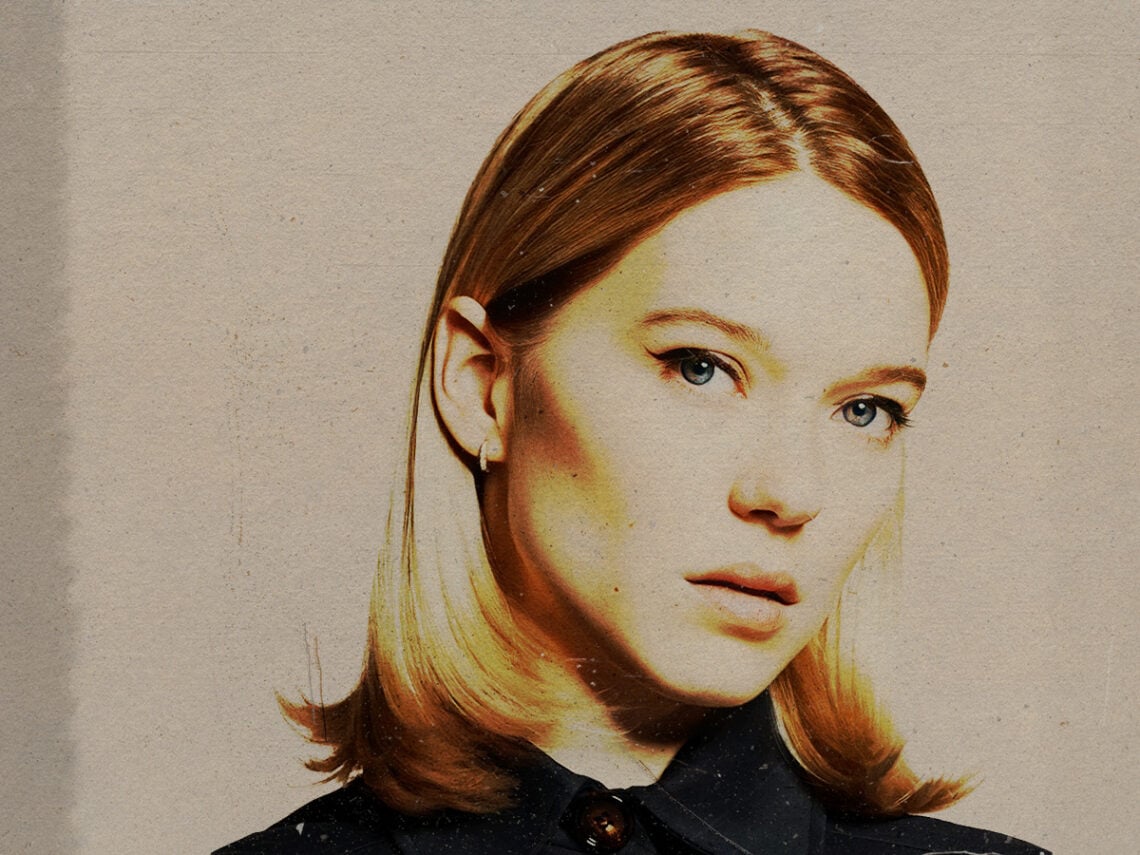
Five movies that shaped the mind of Léa Seydoux

For most people, the art of cinema is a passion and a hobby. Going to see movies, revelling in their allure, and then using them to inform your conversations, character, or outlook on life is a pastime worthy of its weight in gold. However, for Léa Seydoux, the cinema is an extension of her very being. Seydoux, the granddaughter of Jérôme Seydoux, the chairman of Pathé, is intrinsically linked with all things film. It almost literally courses through her veins.
With a career that spans two decades and is as intoxicating as one might expect when combining the icy cool streets of dusky Paris with the high glamour of Hollywood, Seydoux’s position in the world of cinema is that of commanding actor. Providing a muse-like stature for directors Wes Anderson and Yorgos Lanthimos, Seydoux’s career is littered with artistic integrity.
When you combine her heritage and resume in Hollywood, it is no surprise that her thoughts and opinions on cinema are then perhaps more wanted and warranted then any of her contemporaries. Thankfully, Seydoux offered such a set of opinions on numerous occasions, including when she spoke with Le Cinema Club to discuss five movies that helped shape her life.
Within the list of movies, Seydoux naturally paid tribute to the same understated intensity that she brings to her own performances. First up is Nicholas Ray’s magnetic On Dangerous Ground, a 1951 classic of the film noir genre and one which Seydoux described as her favourite by the director, citing it as an example of “how to do things following your heart”.
Another impactful director paid homage by Seydoux is Éric Rohmer and his ‘intimidating” movie Love in the Afternoon from 1972. While it might be over five decades old, it is the most modern selection from the actor, suggesting that her tastes lie more firmly in the past than in 21st-century cinema. Perhaps the most obvious nod to this notion is her pick of a classic Charlie Chaplin caper.
The Kid is one of Chaplin’s most famous creations and is awash with everything that made the comedian such a cinematic icon. For Seydoux, the movie and the man behind it are pure and simply some of the best cinema ever made: “The Kid is the vision of a child, the vision of the true filmmaker: simple, crude, sharp and tender,” she shares.
To complete her list, Seydoux pays her respects to two of the 1950s’ greatest filmmakers. Firstly selecting the 1951 classic A Place in the Sun from the equally imposing director George Stevens, whom Seydoux says always provides an “adventure”. The movie is a love triangle that goes wrong and ends in murderous intentions, it is a legendary American drama that feels as potent today as ever before, as Seydoux notes: “The passions in the film are so electric and dazzling”.
Her final selection is from the Japanese master Yasujiro Ozu and his 1959 masterpiece, Good Morning. The comedy has long been a favourite of cinephiles everywhere and Seydooux lavished praise on the picture: “Ozu is a great, radical stylist. He paints his characters as if they’re in a Japanese print. And with an incredible tenderness.”
All of the movies selected not only offer a view of Seydoux’s cinematic preferences but also a view into the very fabric of her own character.
Léa Seydoux’s five favourite movies:
- On Dangerous Ground – Nicholas Ray
- Love in the Afternoon – Éric Rohmer
- The Kid – Charlie Chaplin
- A Place in the Sun – George Stevens
- Good Morning – Yasujiro Ozu
