


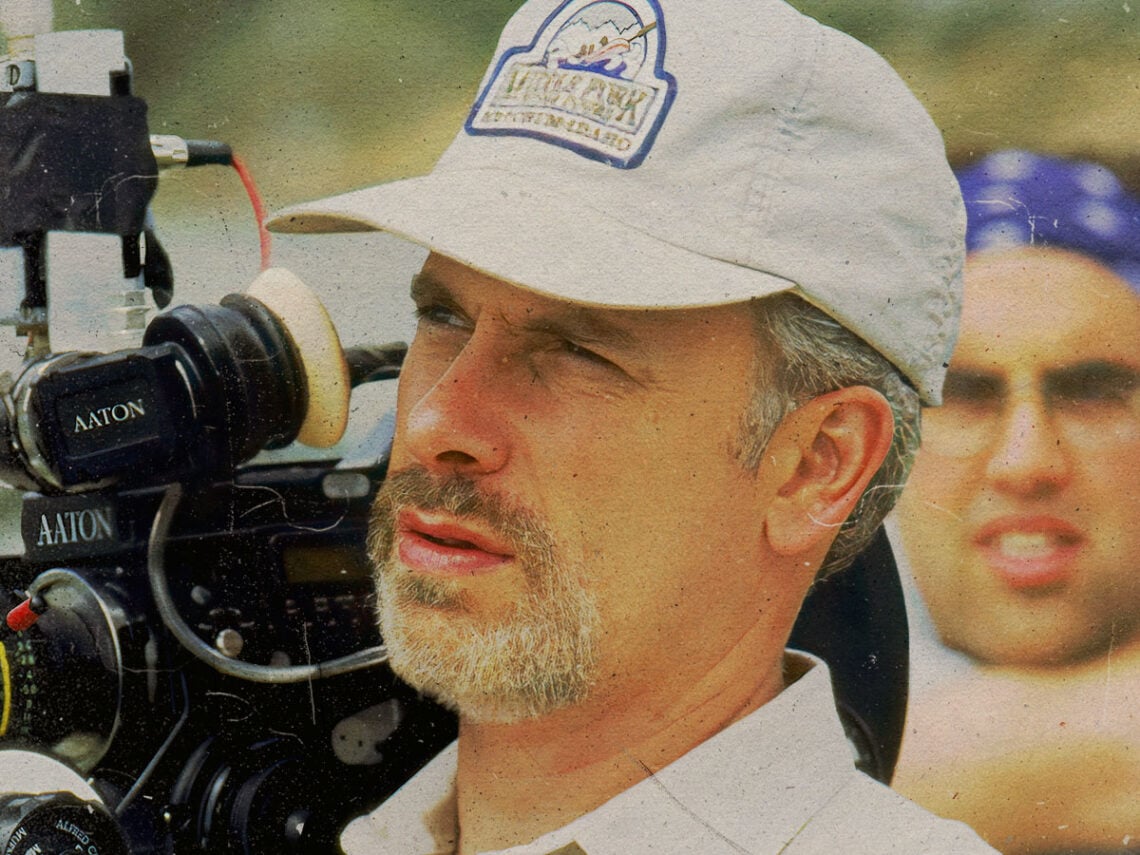
The five movies that influenced Christopher Guest most

As comedy filmmaking goes, few names carry as much weight as Christopher Guest. Known for pioneering the mockumentary style in works like This is Spinal Tap and Best in Show, Guest has carved out a unique space for himself, blending incisive satire with a tender, human touch. While his movies often feel singularly original, like any artist, he stands on the shoulders of giants.
However, before the mockumentary became Guest’s calling card, he was immersed in a rich tapestry of cinematic traditions. And if you’re wondering what films have been instrumental in shaping his outlook, the list is as eclectic as his oeuvre. Given to Entertainment Weekly, the influences are broad: from Italian neorealism to Cold War satire, they offer a coherent view into what makes Guest’s work resonate.
Among the most impactful cinematic gems for Guest is Federico Fellini’s 1954 masterpiece, La Strada, an emotionally rich story that plunges into the depths of human resilience. It’s a far cry from comedy, but Fellini’s capacity to excavate devastating emotion clearly left an impression on Guest, who similarly delves into his characters’ vulnerabilities. Next on the list is Dr. Strangelove or How I Learned to Stop Worrying and Love the Bomb. Stanley Kubrick’s dark comedy about nuclear annihilation actually aligns fairly close to Guest’s worlds, with its razor-sharp satire and bombastic characters echoing through his own work.
Woody Allen’s 1984 comedy caper, Broadway Danny Rose, also made the cut. Considered one of the director’s finer works, it stars Allen in the lead as the classic neurotic protagonist, who, in this case, gets embroiled in a love triangle with the mob. Like the better of the Allen films, it maintains a genuine sense of pathos amidst comedy and writes a love letter to underdogs – a recurring motif in Guest’s works.
Roman Polanski’s Cul-de-sac, however, offers a more oblique influence. This 1966 thriller explores the outer limits of human behaviour, following two American criminals on the lam who appropriate a remote British castle but fall under a bizarre spell cast by the elderly owners. It’s dark and psychological but with solid absurdist and humorous undertones that aren’t entirely out of sync with Guest’s style.
Lastly, Buster Keaton’s 1924 work Sherlock Jr stands out as the earliest influence. A silent comedy that blends reality and illusion, its innovative narrative technique depicts a lovesick poor theatre projectionist who wants to be a detective, then has a dream in which he is the main character of a film about Sherlock Holmes’ prodigal son.
While a black-and-white silent comedy, miles apart from Guest’s dialogue-reliant features, the meta aspect of the filmmaking and the blurring of fiction and reality paved the way for people like Guest to explore this boundary further – something he has continued to do even well into the 2010s, with his most recent mockumentary, 2016’s Mascots, exploring the comic world of sports mascots.
Five movies that influenced Christopher Guest:
- La Strada (Federico Fellini, 1954)
- Dr. Strangelove or How I Learned to Stop Worrying and Love the Bomb (Stanley Kubrick, 1964)
- Broadway Danny Rose (Woody Allen, 1984)
- Cul-de-sac (Roman Polanski, 1966)
- Sherlock Jr (Buster Keaton, 1924)
