



Five movies from 1970 that announced the death of the 1960s

There was a time when many young people in the 1960s thought they had the power to change the world.
Student protests and staunch political and anti-war activism collided with experiments in free love and drug-taking, and there seemed to be a real atmosphere of hope spreading between certain social groups, from the hippies in San Francisco to the swinging cool kids in London, but really, nothing was as it was cracked up to be.
The Vietnam War loomed over everything, and soon, excessive drug-taking led to an overwhelming amount of addicts, while plenty of men took advantage of women’s newfound sexual freedom, and the decade ultimately caved in on itself.
Despite large strides made towards progress for minority groups, there was still a lot of violence, a lot of darkness, that lingered, and when the Manson Family committed their murderous spree in 1969, many people labelled this the end of the decade, which saw the hippie dream violently crushed, starting to feel unsustainable and unrealistic.
Naturally, many filmmakers picked up on the strange state of counterculture at this time, capturing a landscape of disillusionment and reckoning with the fact that the hazy drug-taking, orgy-fuelled days of the Summer of Love had died out, once and for all.
So, from Zabriskie Point to Deep End, here are five great movies released in 1970 which signalled the previous decade’s explosive demise.
Five movies from 1970 that ended the ’60s:
‘Zabriskie Point’ (Michelangelo Antonioni)
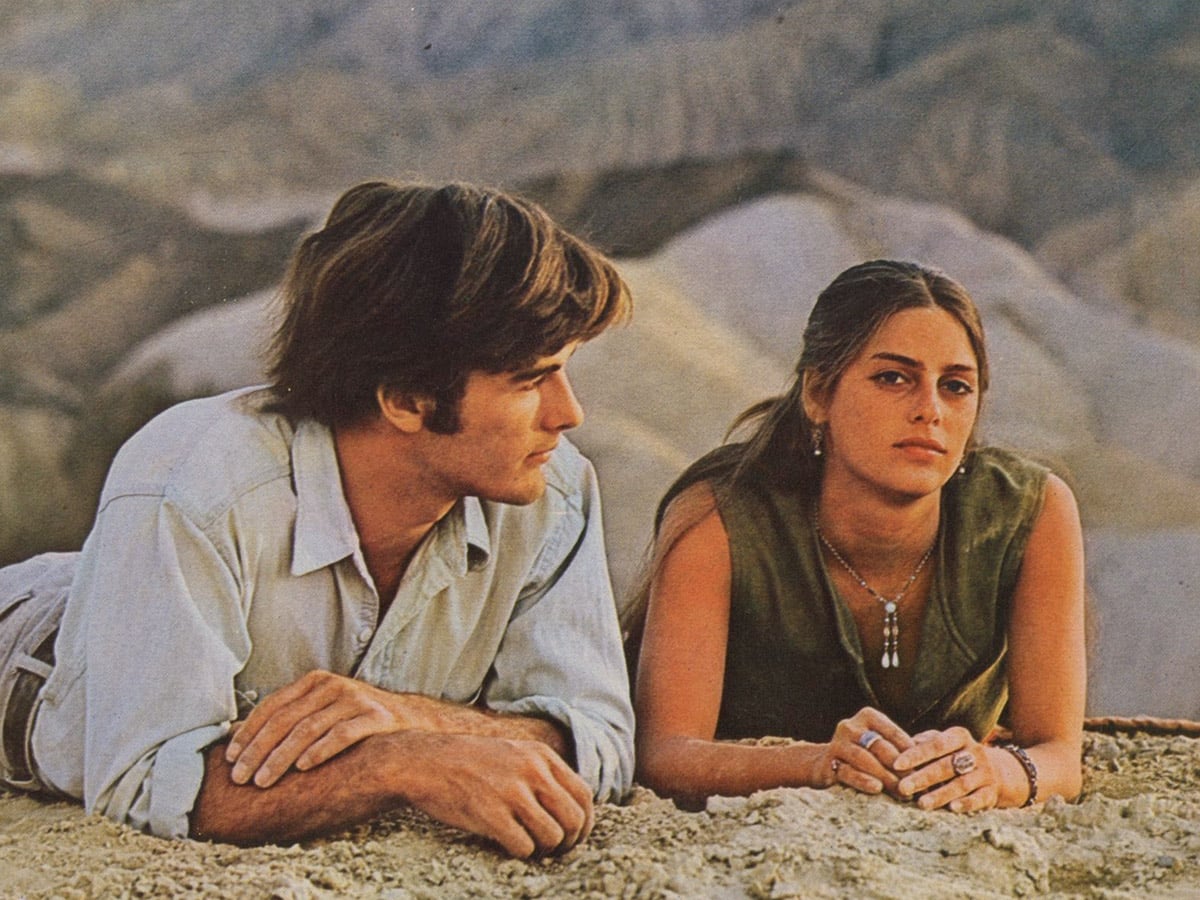
In 1966, Italian filmmaker Michelangelo Antonioni made Blow-Up, which shone a rather critical lens on Swinging London, honing in on the vapidness of consumerism, which leaves photographer Thomas disillusioned.
Four years later, he continued his attack on the state of modern society with Zabriskie Point, this time taking us to America’s Death Valley. Once again, he brings a unique foreign perspective to an area supposedly steeped in revolutionary change. What he finds, however, are young people who are starting to give up on their dreams of progress, which the ‘60s failed to deliver on.
The film is a sharp cry against capitalism, against the alienation that many people who had once looked enthusiastically towards the future were now finding themselves in. Unfortunately for Antonioni, the film was received negatively, but its fierce rebellion against commercialism is really something to be admired. As the film comes to its end with a great explosion, the message is pretty clear: this world is doomed and destined for destruction; optimism vanishes.
‘M*A*S*H’ (Robert Altman)
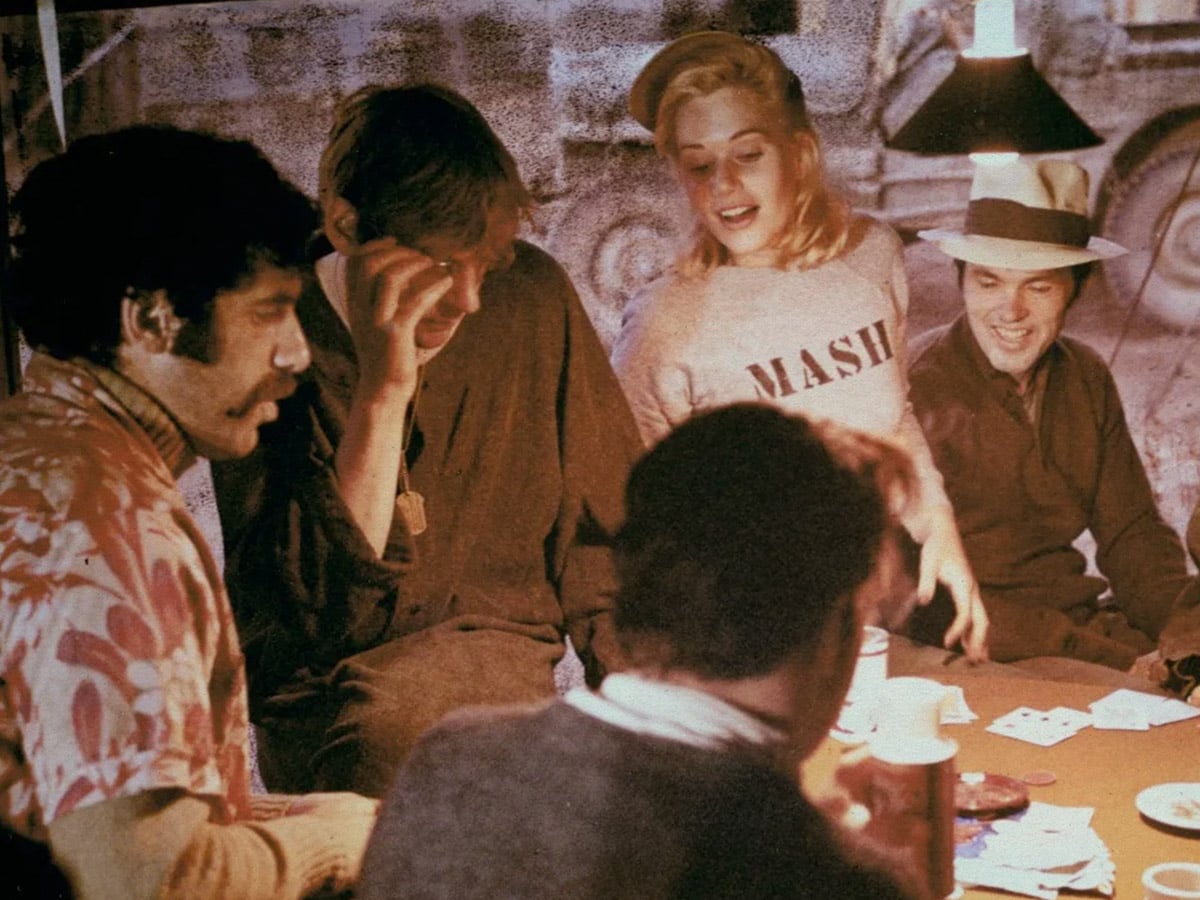
Despite being set against a backdrop of the Korean War, Robert Altman’s M*A*S*H was released at a time when the Vietnam War was raging on, and anti-war sentiments were strong among many young people. Altman takes an unconventional approach to the war genre here, using plenty of satire and a slight dose of the surreal to explore the chaos of several Mobile Army Surgical Hospital workers.
While the film is rich with humour and isn’t as violently nihilistic as some of the other films on this list, M*A*S*H still reflects the era’s anxieties and the innate absurdity of war, which was going to happen regardless of the amount of anti-war activism which had defined much of the hippie era. Everything seemed futile, and Altman captured this strange feeling perfectly in a film so successful that it even spawned a TV show, which ran for over a decade.
‘Beyond the Valley of the Dolls’ (Russ Meyer)

One of the most fascinating facts about the film critic Roger Ebert is that he actually penned Beyond the Valley of the Dolls near the start of his career as a writer, which is a campy satire that you’d otherwise expect him to criticise in one of his reviews. But the film, despite its ridiculousness, is actually one of the era’s greatest meditations on a society plagued by darkness in spite of surface-level changes.
We’re initially drawn into a world that seems cool; the girls are in a rock band, the outfits are to die for, and there’s plenty of partying to keep them occupied. But soon, violence creeps in, and at an acid-fuelled party, we reach an insane, murderous climax, as though the film is quite literally saying goodbye to the excess that defined much of the ‘60s. We’re warned against over indulging, in revelling in the kind of freedom that, when taken too far, can only result in manipulation and tragedy.
‘Deep End’ (Jerzy Skolimowski)
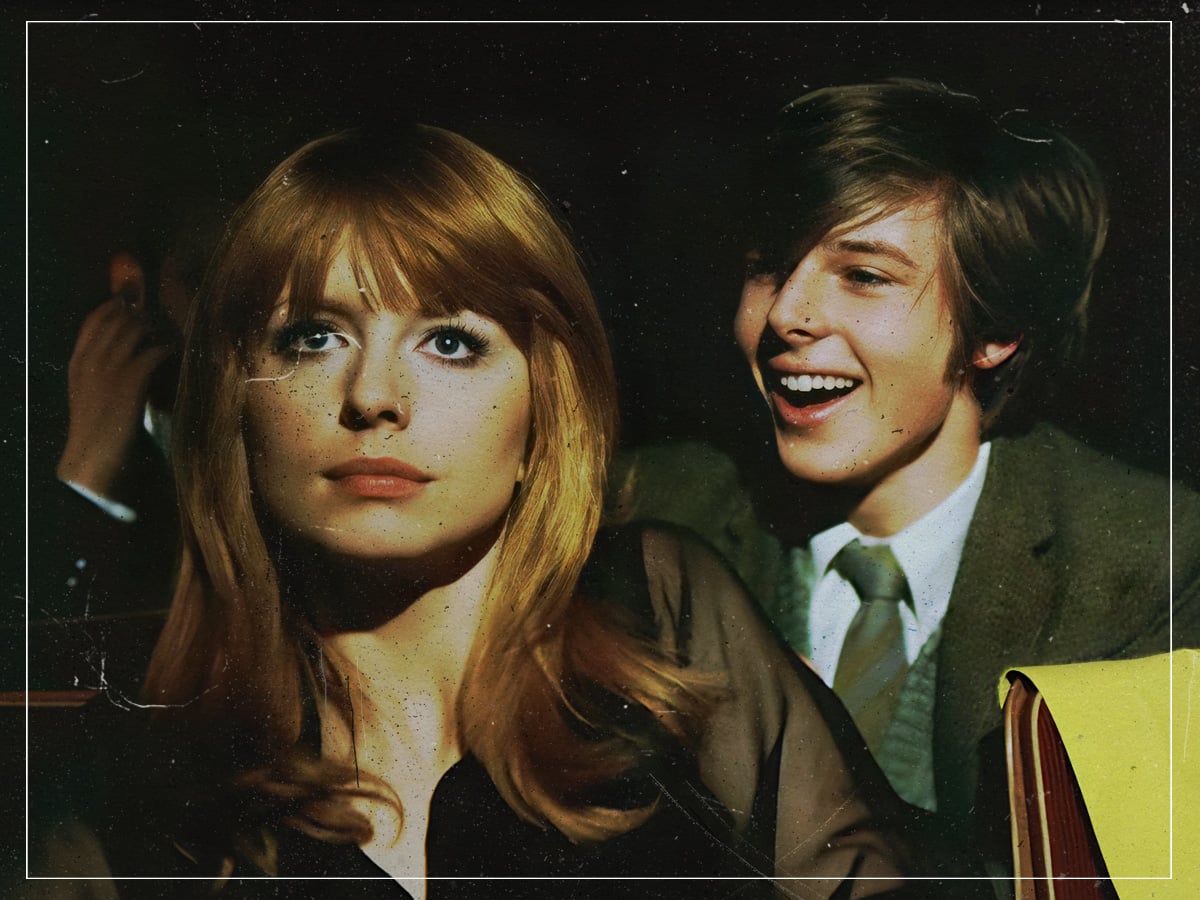
With Deep End, Polish filmmaker Jerzy Skolimowski focused his lens on a run-down swimming bath in London, where 15-year-old Mike has just gotten a job, and it’s here that he finds himself infatuated with the slightly older Susan. She plays into his adolescent fancy, despite the fact that she is engaged (and having an affair with another man), and soon he is inducted into the brutal world of adult relationships and sex.
Deep End shows a darker side to the era’s preoccupation with increased promiscuity, with Mike’s coming-of-age resulting in tragedy. As the 1960s came to an end, both literally and symbolically, many people came to realise the damaging effects of being careless in love and taking advantage of this newfound sexual freedom that had emerged among young people. The reality is, people are always going to get hurt, and Mike witnesses this, and the violence that occurs at the end of the film feels like a metaphorical end to a once supposedly-prosperous decade.
‘Wanda’ (Barbara Loden)

There are few films from the 1970s that are utterly as bleak as Wanda.
It was Barbara Loden’s one and only directorial effort, and she also starred as the titular character, making the film with just a little over $100,000. Despite its low budget and small cast and crew, Wanda packs a mighty impact, and you’ll never forget the image of her in the final scene, totally without hope. It’s a quiet story, a bleak vision of America where women are far from free from the shackles of the patriarchy.
Despite the decade’s increased sexual openness and progress in women’s rights, Wanda proved that there was still a long way to go, and with little opportunity, our protagonist finds herself on the run with a bank robber, unfulfilled and unsure of where her future lies. The optimism of the ‘60s is totally destroyed here, with a gritty yet precise hand that is nihilistic and honest, and while that’s not an easy watch, it captures the end of the decade perfectly.
