


Five maddening movie clichés that should be permanently retired

When writing a film, it’s important to avoid clichés and predictable tropes that will have audiences groaning rather than finding themselves glued to the action.
A cheesy or disappointing cliché can take you right out of the movie, feeling like an act of betrayal from the director – yet that doesn’t stop certain tropes from still being widely used. It’s easy to confront the audience with something they’re familiar with and play with their feelings in the hopes of keeping them interested in the film, but ironically, this can often have an adverse effect.
For me, a movie which features predictable cliché character arcs or narrative events automatically loses points for originality, and it makes you wonder how smart the filmmaker thinks the audience actually is. Do we have to rely on manipulative jump scares to keep an audience entertained? Are makeover montages to show a character’s transformation absolutely necessary?
It seems as though the more that directors utilise specific overused tropes, the more they contribute to the dumbing down of cinema. These clichés override the importance of authenticity, and instead, it feels like audiences are simply being appeased with familiarity and comfort.
Five movie clichés that need to be retired:
Walking away from an explosion

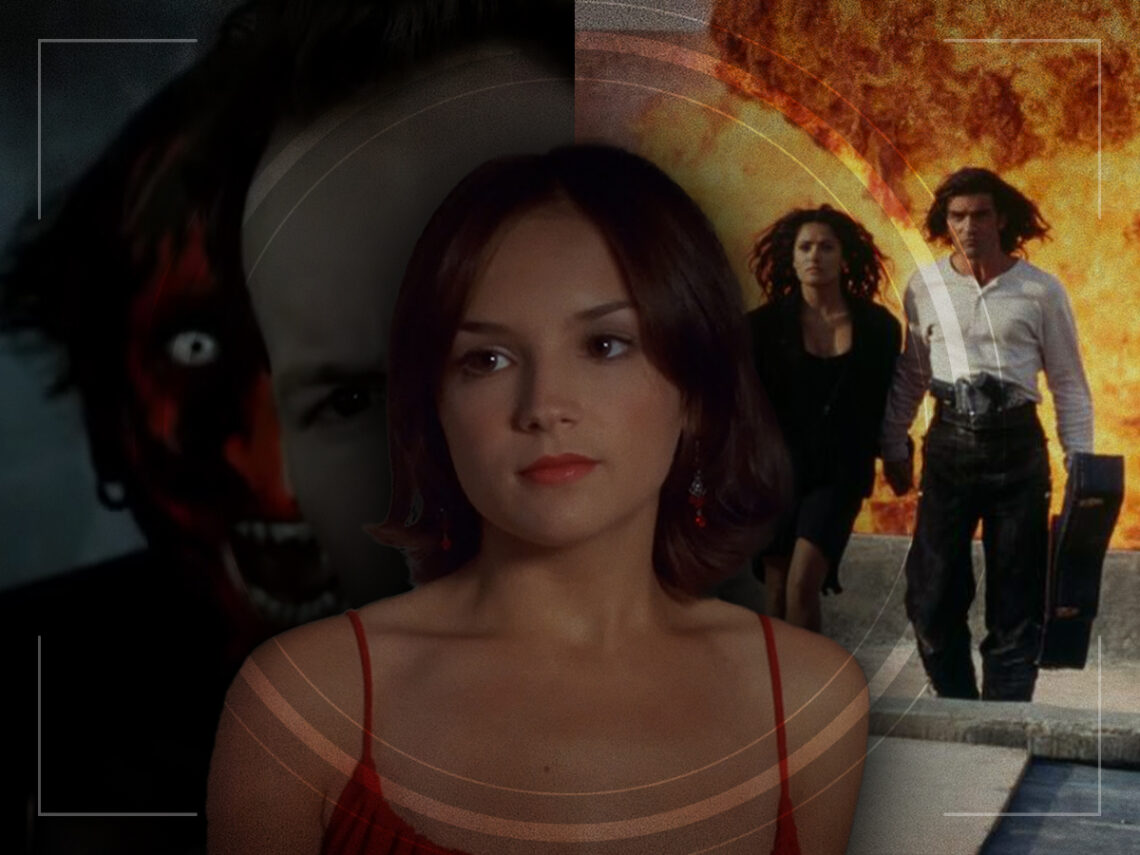
Now, I’m by no means a connoisseur of action movies, but if there’s one thing I know, it’s that characters love to walk away from explosions with their backs to the massive balls of flames.
Firstly, wouldn’t you want to watch the explosion happen? I would. Secondly, it’s just incredibly cliché to watch someone walking away from the chaos they’ve likely just caused, simply because they want to appear heroic. They don’t even flinch despite the fact that the event would’ve been very loud, very hot, and very dangerous. They don’t even scream.
While we might consider the explosion in The Dark Knight a more excusable example, it’s the trope’s repetitiveness in forgettable action movies that has really driven it into the ground. It’s the kind of thing that can work in certain contexts, but once you’ve seen it again, and again, and again, it tires fast. It feels so Hollywood and soulless when something like this happens – there’s no real human reaction.
Melancholic covers of classic songs
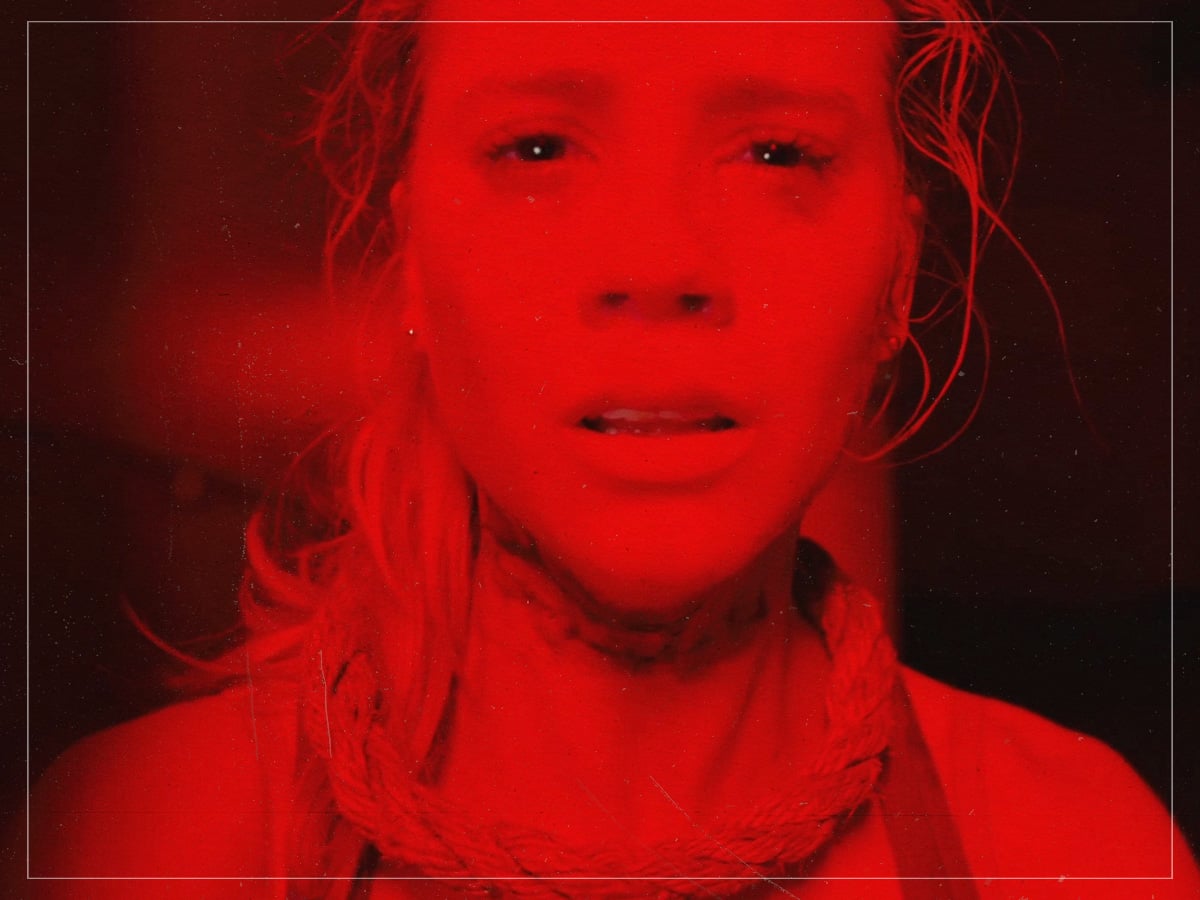
Sometimes, you’ll be watching a film or even a trailer, and you’ll recognise the opening notes of a song, only it sounds different. It’s been Hollywood-ized. By that, I mean it’s been sucked through a vortex that strips it of all its enjoyability, leaving it sounding melancholic and boring. There’s nothing worse than when this happens to a great track, especially a punk or new wave number from the ‘70s or ‘80s. I don’t want to hear a slowed-down, warbled version of Joy Division’s beautiful ‘Love Will Tear Us Apart’, removed of its power and replaced with the sounds of a John Lewis Christmas advert.
The trailer for the 2015 horror movie The Gallows is a prime example, with a slowed version of ‘Smells Like Teen Spirit’, performed by Malia J, giving a supposedly eerie feeling to the classic Nirvana number. Instead, it just feels tired and repetitive. What song is going to receive the Hollywood treatment next?
Ugly to pretty
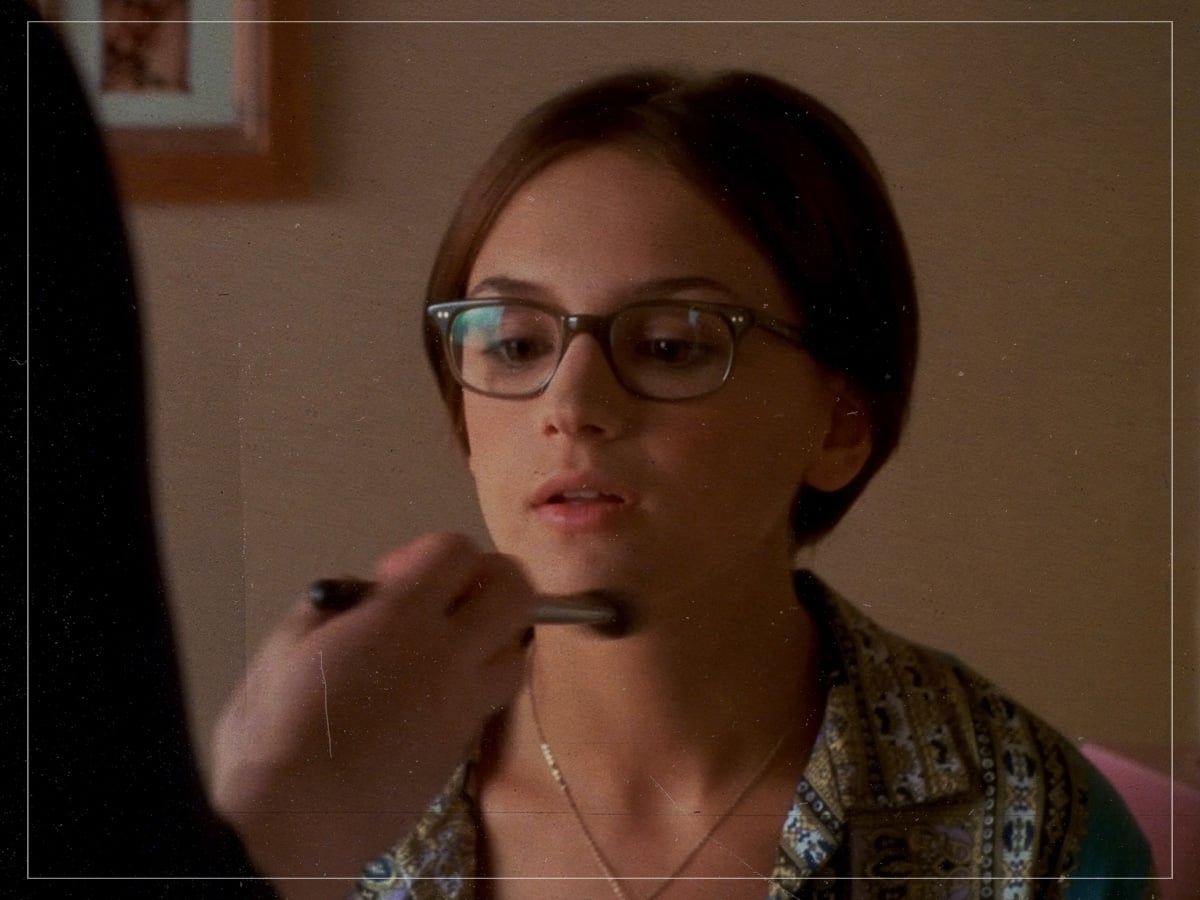
The classic ugly-to-pretty trope is mostly found in the romantic comedy and teen movie genre, but it’s one that really needs to be eradicated once and for all. It’s almost always exclusive to female characters, seemingly suggesting that characteristics like glasses, braces, and acne make a person unattractive. Only when they’re given makeup, a hair straightener, contact lenses, and skimpier clothes do they suddenly reveal their true potential, which, of course, sends a very harmful message to viewers.
This has occurred in many popular comedies, like She’s All That, The Princess Diaries, and even movies like Grease and Scooby-Doo have transformed their female characters’ desirability through drastic changes that play straight into the patriarchy. While it seems like this trope is less prevalent these days compared to the early 2000s, we need to ensure that it never returns.
Pointless jumpscares
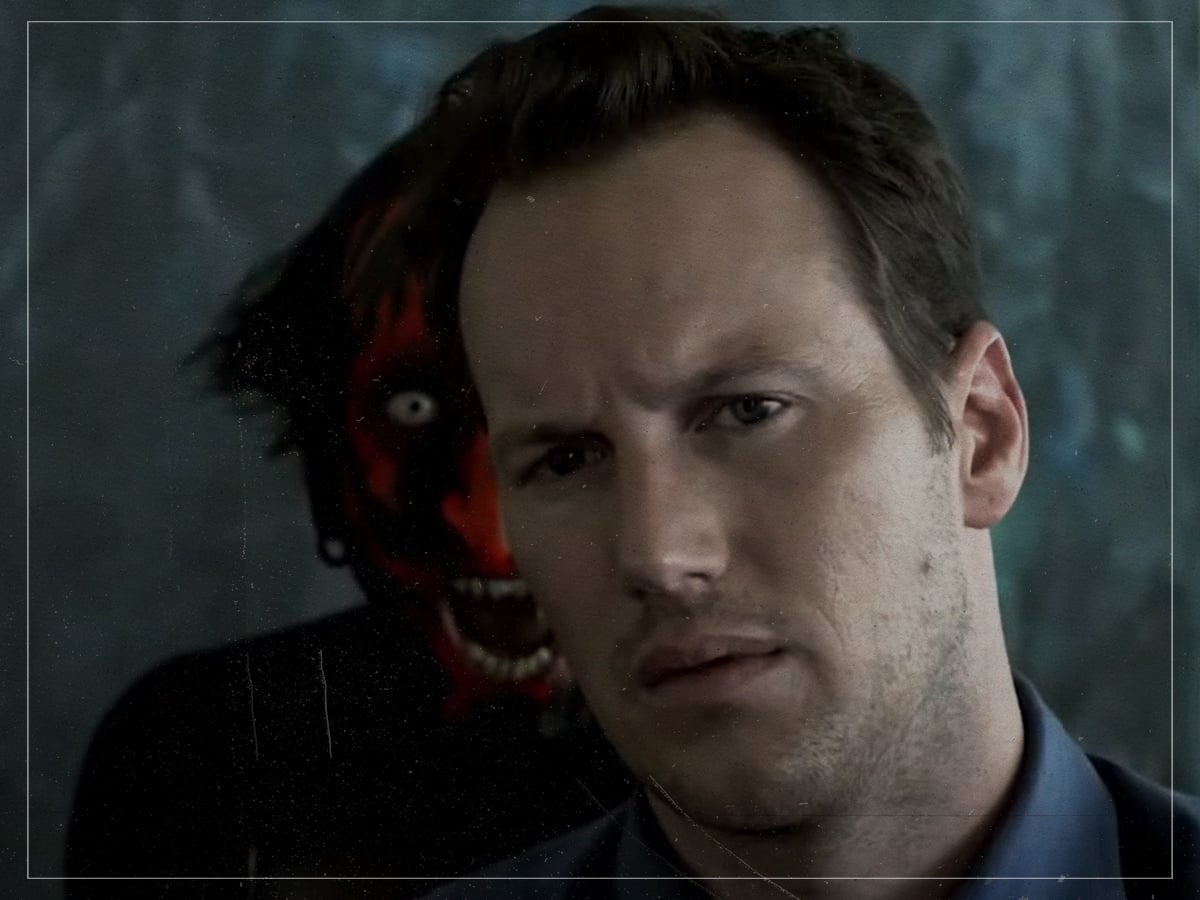
A jumpscare can sometimes work well.
For many people, the tense diner scene in Mulholland Drive that reveals a terrifying figure caked in dirt hiding behind the wall continues to spike their blood pressure with every watch, simply because of the perfect levels of anticipation and the worthwhile pay-off. More often than not, though, a jumpscare is just a lazy way to manipulate the audience and make them scream for the sake of it, which has become increasingly common among the landfill of forgettable horror movies. That jumpscare isn’t going to make the film more memorable, as much as the filmmaker thinks it will.
Worst of all is when a jumpscare doesn’t even go anywhere. A character will open the fridge, and we’re tricked into believing that there’s someone behind the door, and rarely do we see anyone standing there. The same goes for a character turning on a light in a dark room – we’re often misled into thinking there will be a figure standing in the background, leaving us feeling a little hollow. How about when the terrifying noise just turns out to be a red herring, like a pet? It’s frustrating and predictable.
A miraculous recovery
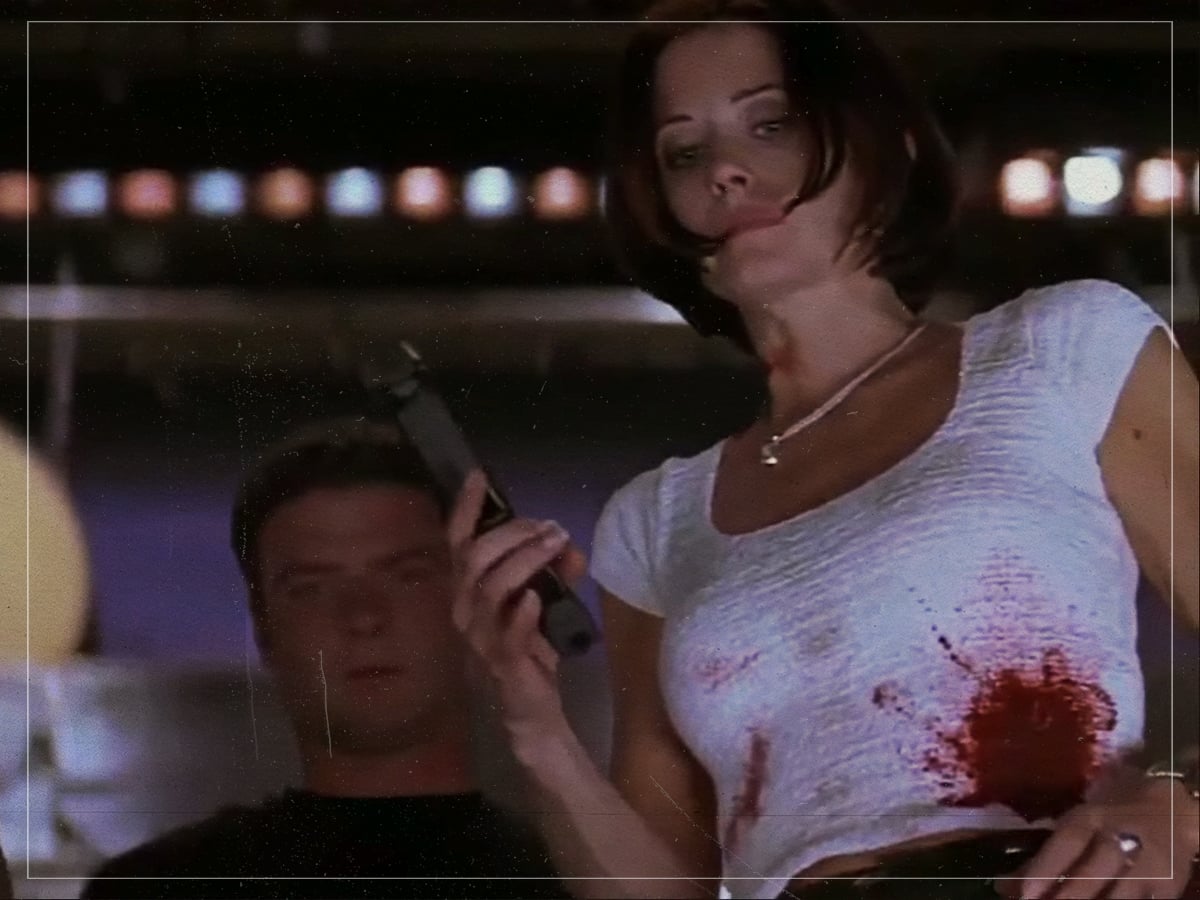
Now, I’m aware that you have to suspend your disbelief a little when watching most movies, but there’s nothing more annoying than watching a movie where a character seems to miraculously recover from a severe injury that definitely should’ve paralysed or even killed them. A character will get shot almost fatally yet somehow keep fighting back, and you’ll wonder if it’s some ungodly amount of adrenaline keeping them going or some mysterious movie magic.
In other instances, characters somehow survive overnight after being nearly brutalised to death, and we only see them getting wheeled into an ambulance the morning after the events of a grisly night. Surely they’d be dead by that point? This is something my beloved Scream franchise is guilty of – there is no way that half the characters who got shot and stabbed by Ghostface would’ve survived the events of Scream 2.
