


Five modern bands who would’ve fit right in at CBGBs

There’s no sadder snapshot of gentrification in action than a stroll to the former site of New York’s lauded punk venue CBGBs.
Anyone eager to pay their respects or bask in the faint countercultural glow of Hilly Kristal’s old ‘Country, Bluegrass, Blues, and Other Music For Uplifting Gourmandisers’ club and burnishing punk epicentre will be hit with the bland, corporate wallop of a John Varvatos fashion store, occupying the empty lot at East Village’s 315 Bowery since 2008. While adorning the walls with trinkets and records of its heyday, somehow, the artfully torn posters and preserved brick walls make the whole sorry end sting that much deeper.
This is not just some empty wistfulness over CBGBs’ legacy. All things must come to an end, and it’s naïve to envisage a space like CBGB’s or Manhattan’s similar punk club Max’s Kansas City would carry on ad infinitum—indeed, it’s arguably contrary to the ephemeral spirit of punk’s first wave anyhow—but, there is a deep sense of rage at how the economic impossibilities of the political contemporary have rendered future CBGBs and the cohort of artists, mavericks, and radicals who orbited such dens of underground vitality the chance to conceptualise and mark their weird, unique impact.
What strikes about the litany of bands that took to Kristal’s independent stage is the teeming diversity of sounds and characters that shared CBGB billing. Ramones’ turbo-charged garage rock, Blondie’s bubble-gum pop conjurings, Patti Smith’s sacred rock divinations, and the grinding, dystopian visions of electronic misfits, Suicide. Such a community expressed punk at its purest mission statement: do it yourself, without compromise.
To muse over the artists of today who would’ve found themselves right at home in CBGBs during its heyday, we’re going to discount the need for geographical locale. We’re going for pure spirit here, and besides, the days of living in a Lower East Side loft are ancient history. Eclecticism is another key decider, honouring the rich variety of groups that hung out and played at the former biker bar. Lastly, just as Talking Heads or Television were taking CBGBs’ stage long before critical or commercial attention, we’re plumping for acts that similarly operate on the relative fringes but possess an unmistakable spirit that would have served Kristal’s golden rule: you could only play original music.
While reflecting on the legendary venue, while also lamenting the threat such venues face around the world, we select the five underground artists in no order who could have called CBGBs their second home with ease.
Five modern bands who would’ve been perfect for CBGBs:
Reckless Randy
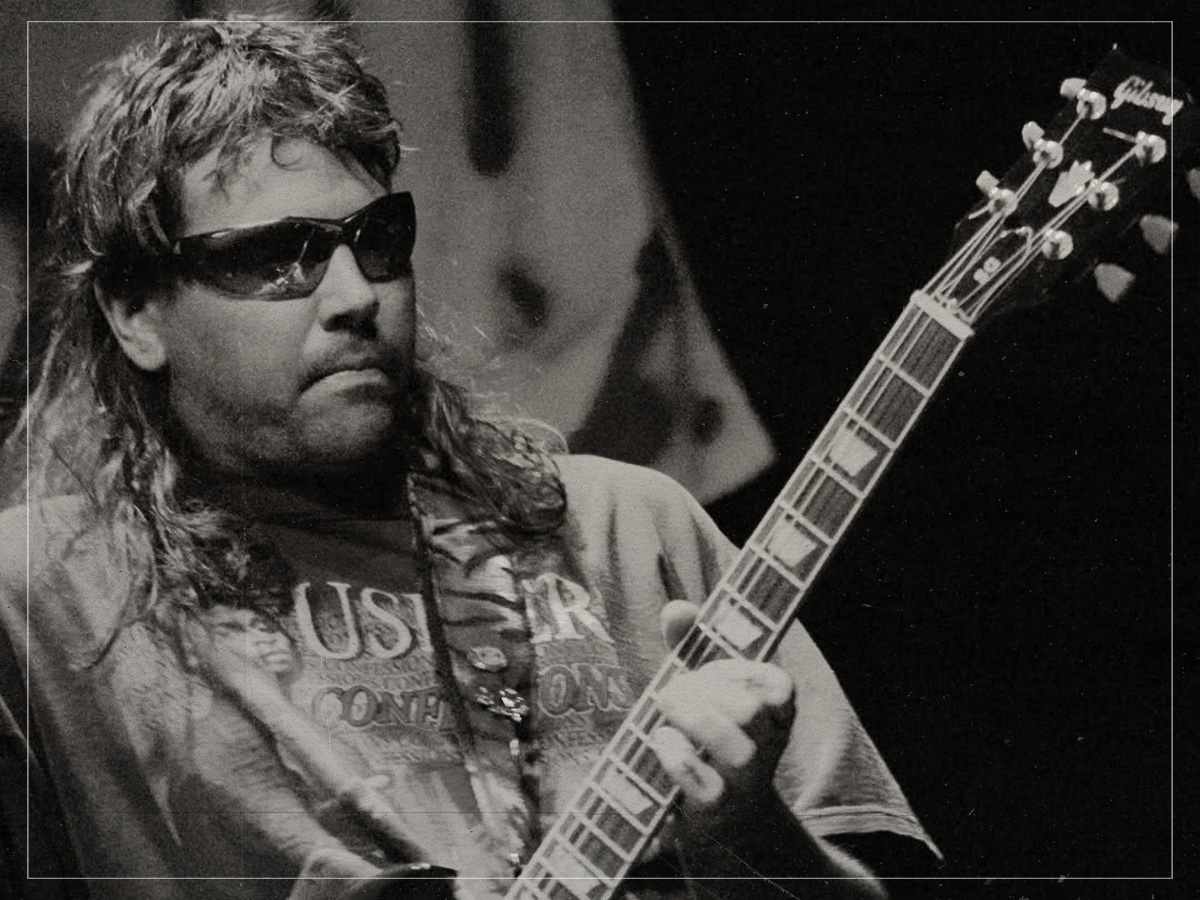
Legend has it that during an open mic night, a singer known as Rockin’ Rick was dropping Jimmy Buffett covers to the half-attention of the crowd. During a break, some no-good skatepunker from New Jersey drunkenly took to the stage, busted out some jabby garage riff on Rick’s guitar, and loudly exclaimed to the whooping crowd: “I’m Reckless Randy!”
A street punk miscreant was born. Cutting a string of underground EPs and albums of hooky, swagger punk snapped with chunky keyboards, Ocean City’s Reckless Randy spits out an authentically delirious skulls and dagger rock in the vein of The Mummies or Jay Reatard. Flickering with a flame of delinquency and urban prowl, Reckless Randy crafts music to start fires, a joyous embrace of comic book clod stomp that would score the CBGBs scene with urgent aplomb, inspiring many moshing in the crowd to quit their suffocating day jobs there and then.
KT Kink
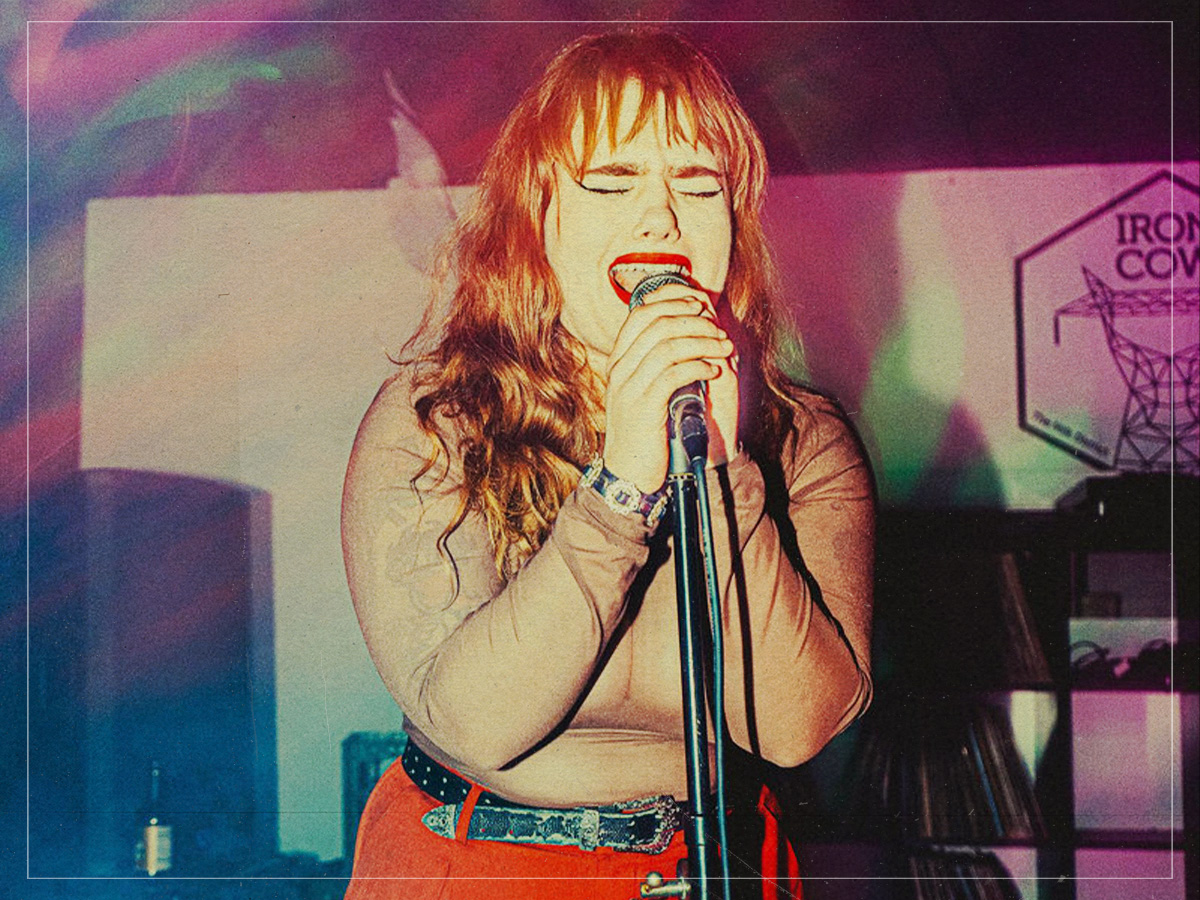
From the edges of Florida’s Orlando, KT Kink brews a potent plume of mutoid disco, curdled synthpop, and kaleidoscopic effrontery. Cutting homemade efforts since the dark days of the Pandemic, KT Kink’s digital conjurings are thrillingly volatile, forever fluctuating in a haphazard convulse of dayglo electroclash or metallic EBM grit, congealing with her self-described “…little bitch…that likes to roll around on the floor like a little teeny tiny worm and sob” alter-ego with disquieting perfection.
Shaped for the stage as much as the speakers, KT Kink’s pumped ‘club not club’ would enthral the CBGB crowd with the same commanding grip of Suicide but artfully mashed with the post-punk grooves from nearby ZE Records. Typically fronting her bleeping hardware and oily synth skulk with a smeared lipstick and run mascara possession, KT Kink’s mechanised alien pop would out punk the punks just as Martin Rev and Alan Vega had managed back in the 1970s ‘year zero’.
Béton Armé
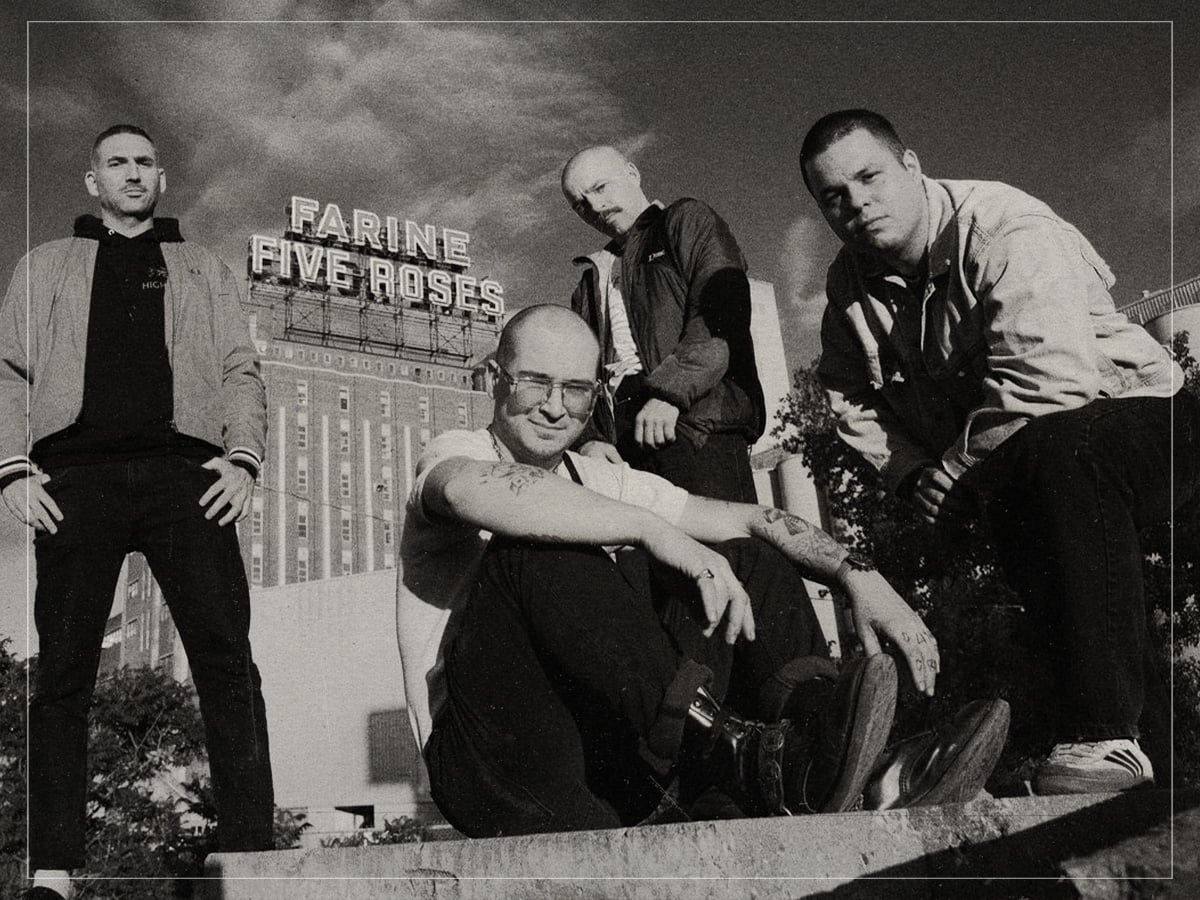
It took a while for Oi! punk to ever enjoy a real resurgence. The street-level, bolshy variant of hardcore that wanted nothing to do with post-punk’s art school proclivities, the original Oi! wave was a sleeves-rolled-up, ‘ard, and fervently working-class counter to much of the new wave around them. The insanely stirring and catchy vocal chants have come back in explosive fashion with French-Canadians Béton Armé. Blasting muscular and beefy riffs with frontman Dan Prestone’s dynamic vocal orders, Béton Armé have thrust attention to Montréal’s thriving musical underground.
Any cursory listen to July’s Renaissance debut LP or the previous string of fantastic EPs makes Béton Armé’s raw power viscerally apparent. What better venue for their whirlwind fury than the CBGBs pit in its golden era, flashing an urgent counter to the, though no less important, art-punks with a stomping hardcore rocket that promises an arm of solidarity to those lost in the moshpit, while also upending the venue with ease.
Peace De Résistance
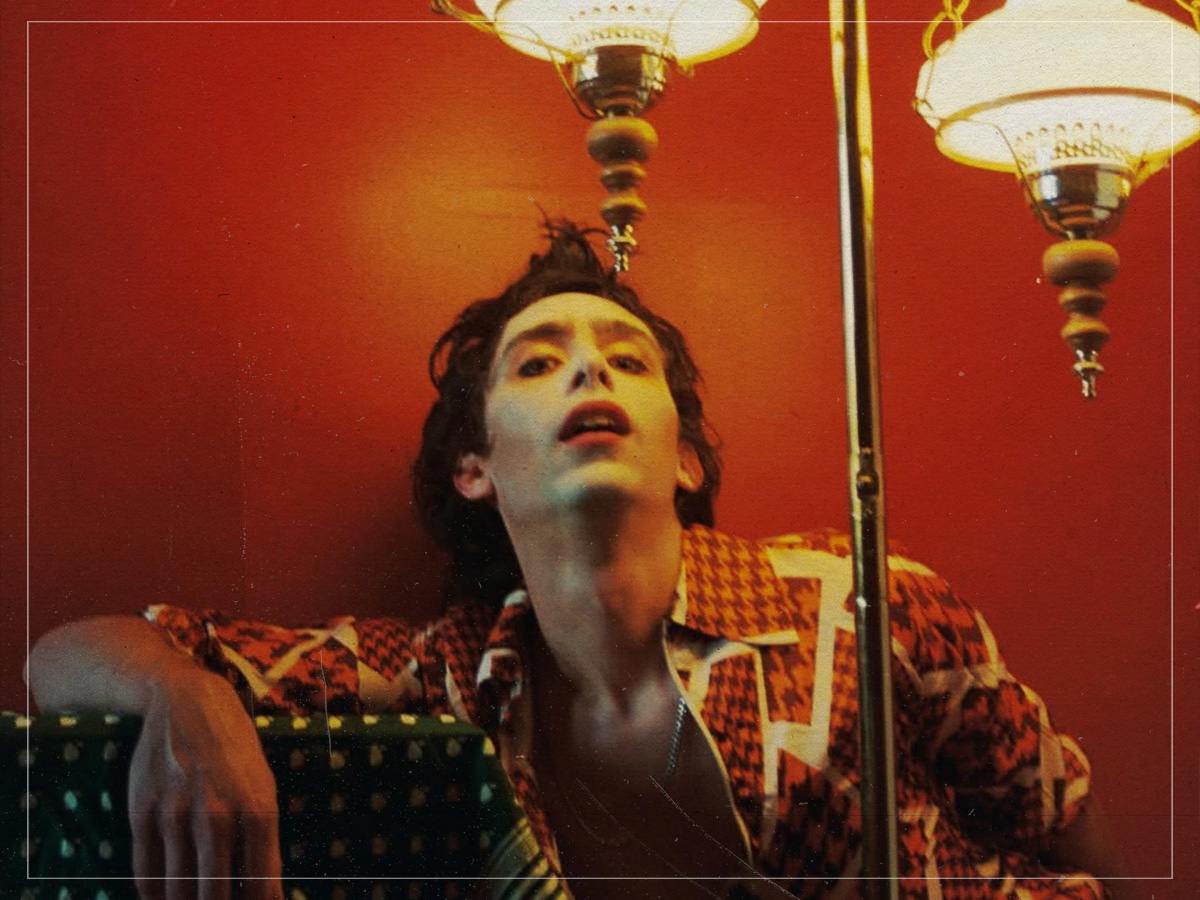
Settling in New York, both physically and thematically, Peace De Résistance evokes the city’s gutter glam decadence of the early 1970s, a grubby glitz of art-rock preen and experimental indulgences that oversaw Lou Reed’s steaming sewer tales of Transformer. Peace De Résistance, however, the alias of Texan punks Institute’s Moses brown, pulls his sonic harkening at Manhattan’s historic seaminess to the front of 2020s immiseration, scoring tales of neoliberal suffocation and everyday miasma with tangled, poetic pertinence.
Gifted with a ‘Blank Generation’ energy, Peace De Résistance could just as easily channel late 1970s malaise as much as the proletarian seethe of today, finding an eager CGBGs crowd, whatever the time wormhole. Honing his glam strut stylings with the excellent Lullaby for the Debris sophomore album, Peace De Résistance’s authentic vintage sounds often can be mistaken for standing as a document of a time when CBGBs or Max’s Kansas City was kicking off back in the day.
Medium
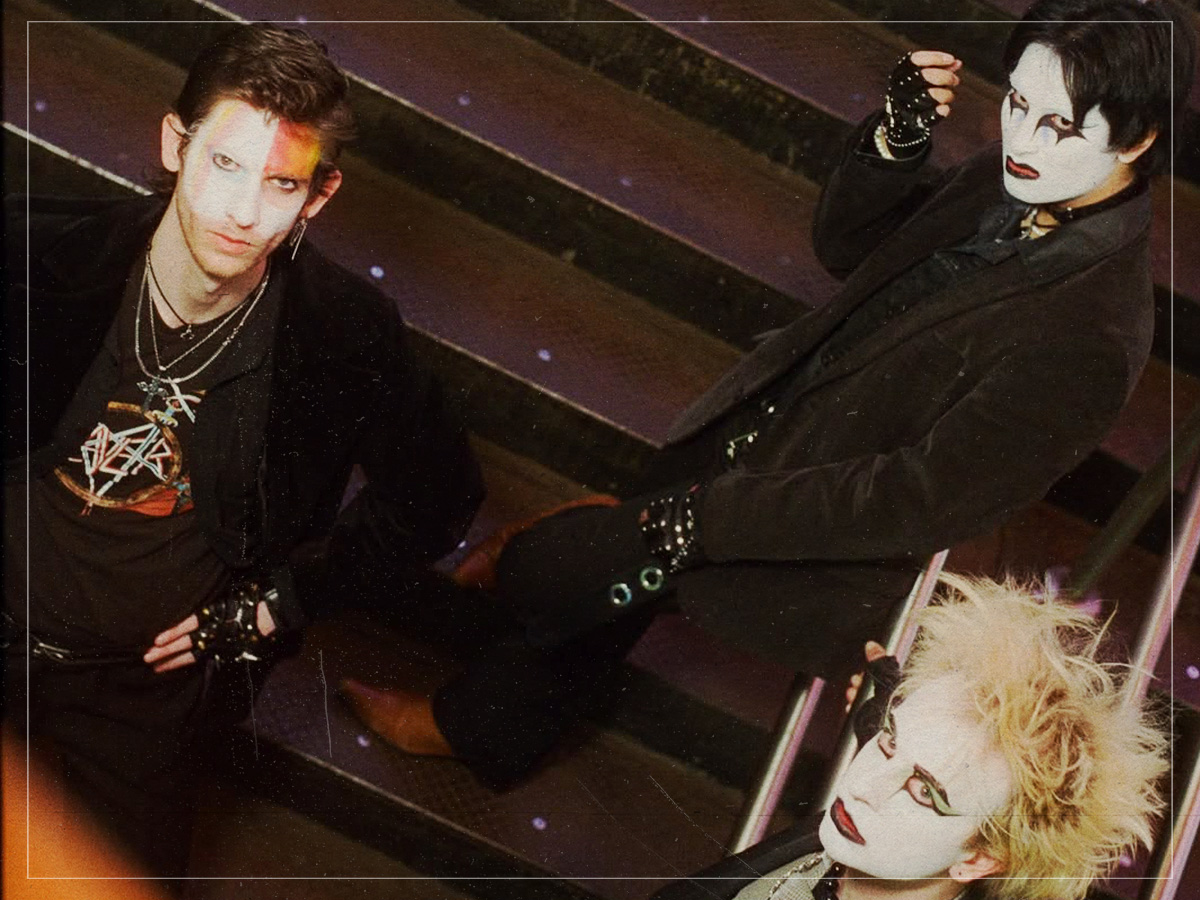
Staying put in the city once again, we spot stringy, eggpunk trio Medium. Slapping together an aesthetic that mixes The Adicts, The Warriors’ Baseball Furies, and WCW wrestler Sting, the Brooklyn greasepaint punks inject their lo-fi cartoon bluster with a razor-sharp pop hook in the best tradition of garage rock at its most pepped. While eggpunk’s yolk indeed gunks over cuts like ‘Calling Is the Time’ or ‘Peeking Through the Blinds’, it’s the jangle rhythms that spark its urgent frissons, an insanely tight interplay between Cotter Phinney’s guitar twang and Veska Naratama’s bass heft.
CBGBs’ second performance space, the 313 Gallery, used to host the weekly Alchemy Goth night in the late 1980s. Medium could surely slip a live performance in before the leather-clad’s gloom DJ set, bringing in the punks next door for a mash-up of separate worlds as artfully clashing as their weird brew of garage attack and Giallo horror chic.

Never Miss A Beat
The Far Out Punk Newsletter
All the latest Punk content from the independent voice of culture.
Straight to your inbox.