


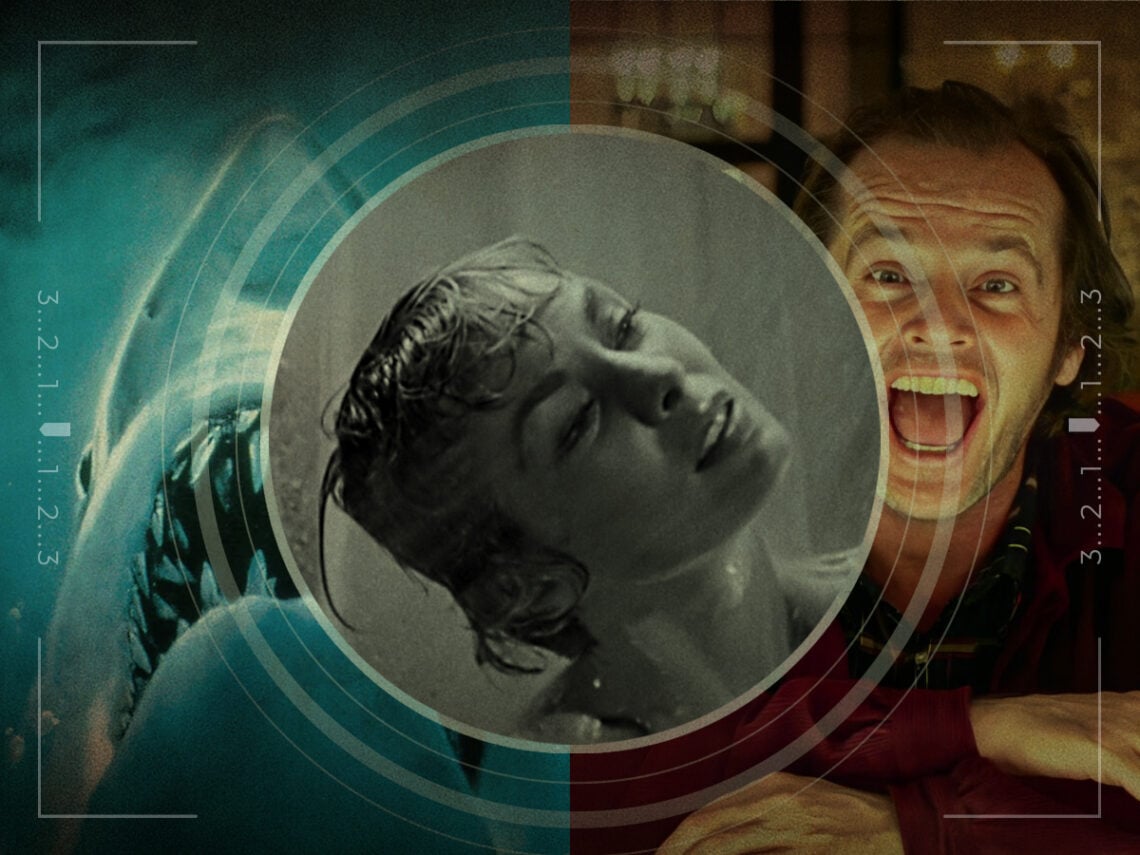
Five horror soundtracks scarier than the movie they were made for

Cast your mind back to the last time you watched a horror, whether good or bad, and think about the build-up to a climactic scene or jump scare that’s almost always enhanced by the music.
They say, should you ever want to soften the blow during these scenes, stick your TV on mute, and while in some instances you’ll be taken out it, like Marion Crane’s iconic death scene in Psycho, which becomes nothing more than a flash of dramatic images, it’s harder to disentangle yourself when the film is genuinely terrifying, like Hereditary.
No doubt one of the scariest films of the 21st Century, it masters the art of unease through multiple filmic tools that make the soundtrack almost bleed into the background. Even as we watch Peter lose control in the middle of class, in broad daylight, the piercing score sharpens the edges of an already tense play-out, meaning that even on mute, the building fear is already there to make you watch through your fingers.
When films are already creepy, the music only adds to that, but when they’re not scary at all, the music is often the only difference between us being able to immerse ourselves and becoming an unbothered spectator or laughing out loud. Some of the most iconic horrors in history only lasted because of their soundtracks, so much so that you don’t even have to see it to recognise where it’s from, like Jaws.
Sometimes, all it takes is hearing someone on the street whistling the ‘Twisted Nerve’, and you’re hoping some kind of slasher-adjacent freak isn’t lurking in your garden, so let’s take a look at some of the scariest film soundtracks that are, somehow, scarier than the films themselves.
Five soundtracks that are scarier than their films:
‘Insidious’ – James Wan (2010)
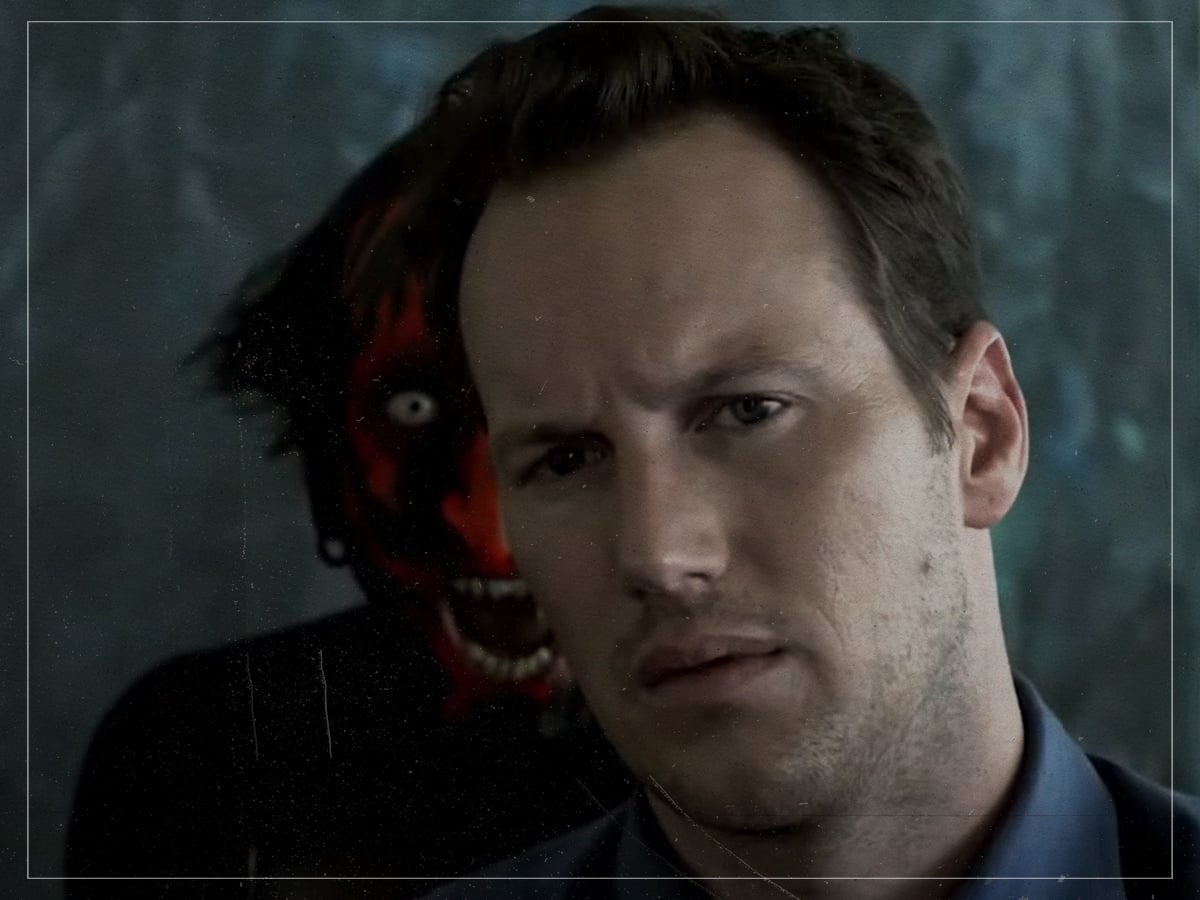
One of the only reasons Insidious makes this list is because it uses one of the most objectively terrifying songs ever made: Tiny Tim’s cursed contribution to the music world, ‘Tiptoe Through the Tulips’. Now, Insidious is only really a scary movie if you squint, but its soundtrack makes it more memorable, with inclusions like Tim’s making some of the scenes linger in your mind even when the plot itself fails to land.
Aside from the fact that the song sounds like you’re about to be lured into the devil’s lair, it seems the track itself was pretty cursed, especially considering the fact that Tiny Tim collapsed during a performance of it in 1996, and later died in hospital after having suffered a heart attack. This prophetic haunt bolsters the more spine-tingling moments of Insidious, making you feel there’s some other hellish dimension you can feel but can’t see.
‘The Shining’ – Stanley Kubrick (1980)

Whether The Shining is actually scary or not will always be a point of contention. Granted, there are many images that are so visually and immersively visceral that they stick with you, like the blood gushing down the hallway, the image of the two twins standing there, Danny riding his bike on the patterned carpet, the old lady in the bath, hell, Jack Nicholson’s face bursting through the door as he yells, “Here’s Johnny!”
But none of that compares to the sheer artistic vision that went into its soundtrack. The Overlook Hotel is one of the most chaotic environments in film, compounded by the use of varying orchestral pieces that make it sound like a place that’s both here and nowhere, strings that strangle the scene with such precision it makes your heart race, and a constant hum throughout that lingers in the mind no matter how long ago you watched it.
‘Jaws’ – Steven Spielberg (1975)
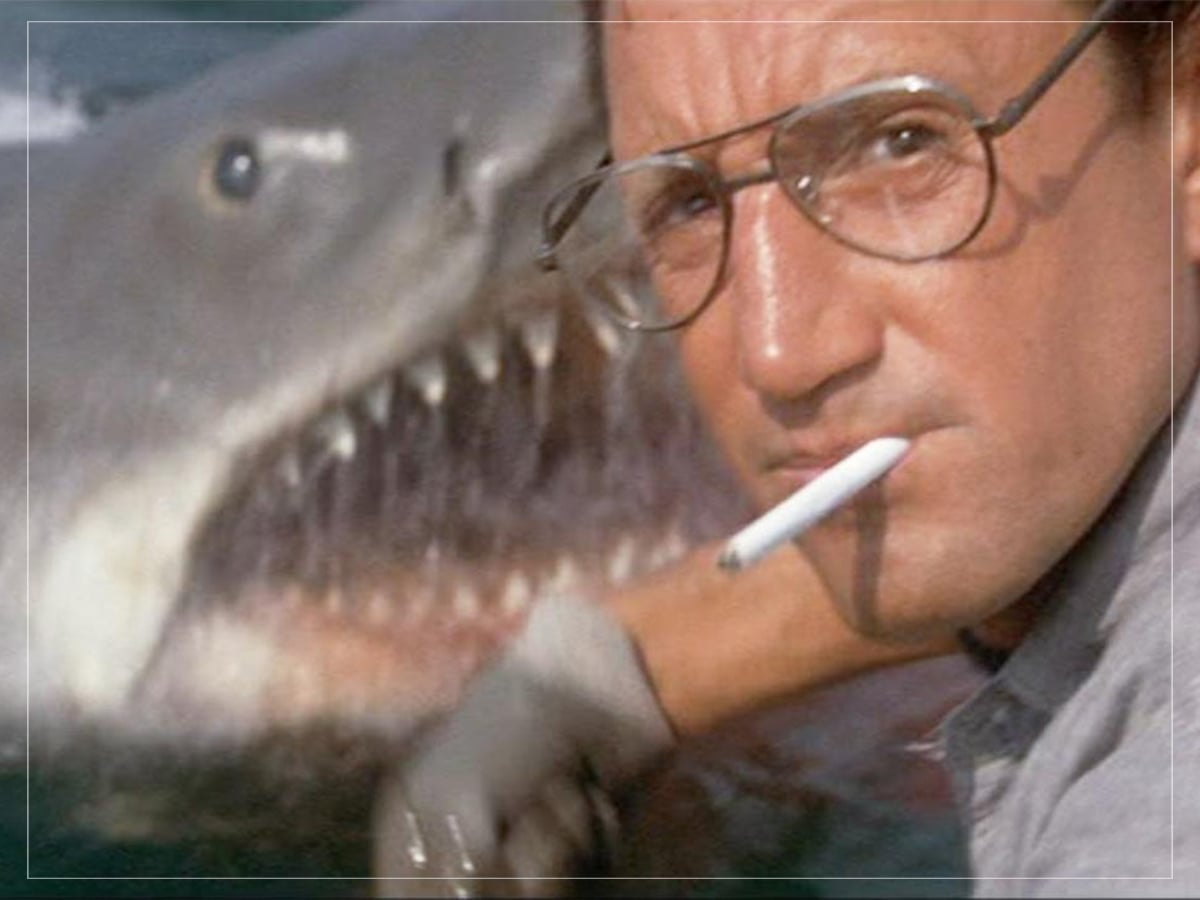
John Williams’ Jaws score is one of the most well-known of all time, and it simply came from his blending the horror genre’s sense of foreboding with the physical terror of an approaching shark. It starts by “grinding away at you, just as a shark would do. Instinctual, relentless, unstoppable,” he once said.
What makes this score especially creepy and one that stays with you is how much it reflects that sense of stagnation in the face of fear. In Jaws, the characters are literally and figuratively stranded, unable to move quickly through the soup-y viscosity of the ocean. As anyone who’s ever experienced sleep paralysis will know, this is probably the worst state to be in when you feel you’re surrounded by imminent danger, and punctuating that perfectly is William’s rhythmic build.
‘Halloween’ – John Carpenter (1978)
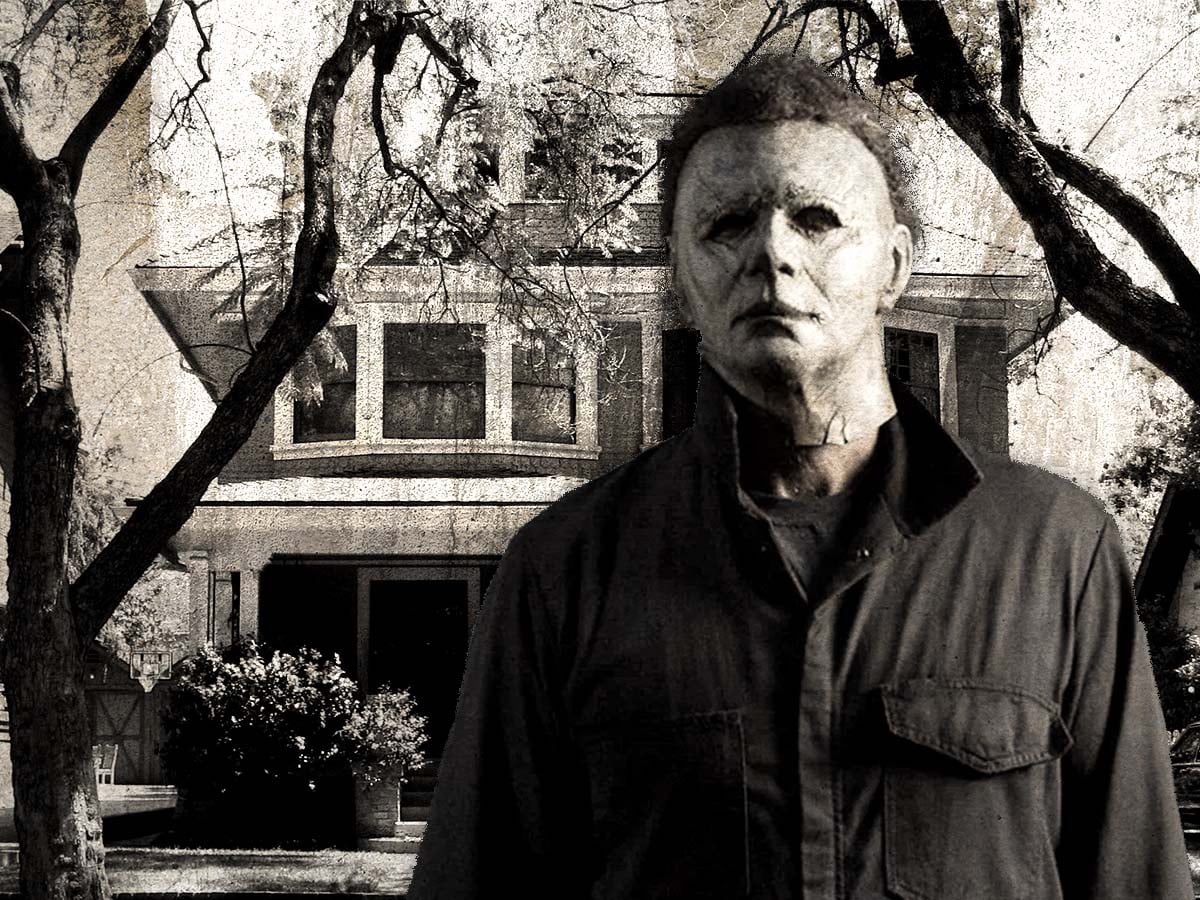
This would be, in no way, shape, or form, a real horror musical soundtrack compilation without the inclusion of John Carpenter’s 1978 masterpiece, Halloween. By the time he had created his horror magnum opus in 1978, he’d already studied what it means to fit a good piece of music to atmospheric scenes to a pro.
Just like those he admired, he opted for simplicity and minimalism in a way that makes your hair stand on end, a simple piano progression with racing percussion and a deep brass that enhances the film’s persistent tension. Made possible by the fact that Carpenter knew exactly what he was doing, he once told Rolling Stone, “In thrillers or horror films, you’re trying to create suspense. Think of the Jaws theme. It’s two notes. It keeps you in suspense”.
‘Psycho’ – Alfred Hitchcock (1960)
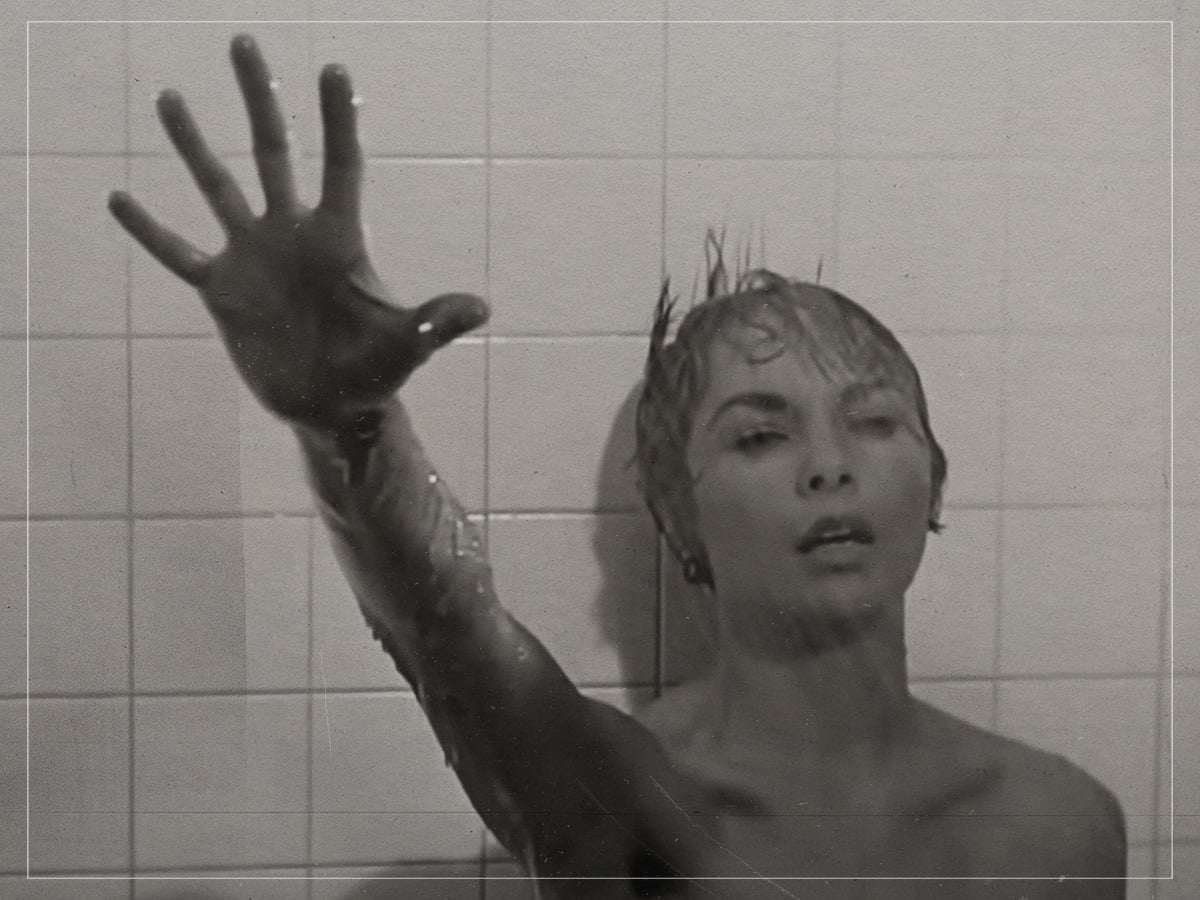
Psycho is such a masterpiece that even when you watch it today, it holds up, and worse, there’s no universe in which you can watch the film and not feel for our troubled antihero, Norman Bates. As always, Hitchcock struck gold on this one by building the tension, ensuring that even those quieter and more considered scenes where we’re getting to know Bates make you feel a sense of inexplicable foreboding.
But the pièce de résistance, the one that crescendos during the famous shower scene, is what sticks around in daily life, when you walk up the stairs a little faster at night after just switching off all the lights, or when you’re walking down the street at night, the stranger behind you tracking a little too close for comfort. It’s that familiar pulse of impending doom, that musical climax that suits any kind of imminent danger and the point of no return that’s terrifying, more than the actual film itself.
