


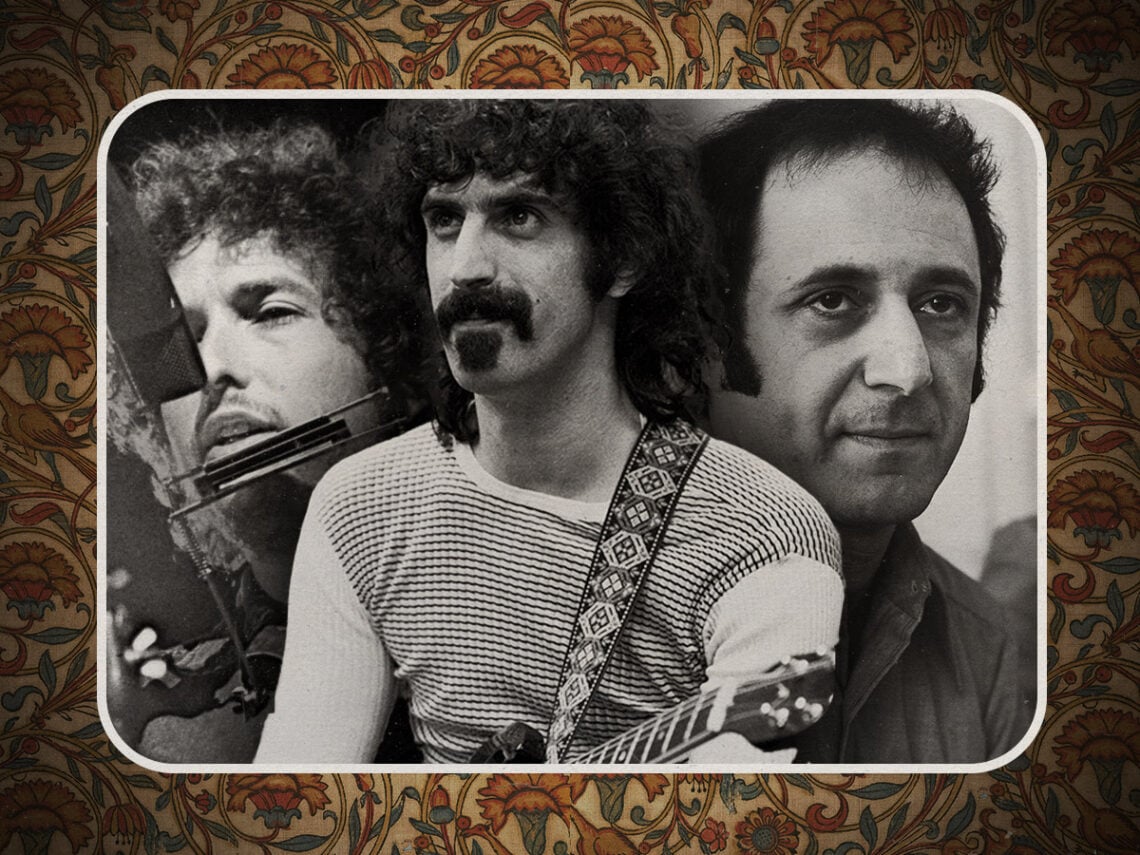
Five horrible moments when fans turned on musicians

Constantly being in the public eye can’t be easy for the world’s most famous musicians, and while your commitment to pleasing fans might be something you feel as though you’re putting the utmost effort into, those fans can be fickle, ungrateful, and willing to do everything in their power to put a stop to your ascent to rock stardom.
It might be that your actions or output were deemed egregious in some respect, and you’re going to have to accept that a little bit of pushback is inevitable if you’re willing to show even the slightest amount of humility. However, while in many circumstances you have to accept that the customer or consumer is in the right, when it comes to art, you’ve also got to trust your instincts and go for what you truly believe in.
Someone doing something that you don’t agree with on a moral level might warrant extreme backlash, but on an artistic level, it’s far less excusable to turn on someone in extreme fashion. At the end of the day, musicians are people too, and ought to be treated with a level of decency that reflects their humanity rather than put on a pedestal and expected to perform to the level you demand of them.
If they’ve done wrong, they ought to be held accountable as anyone else would, but if they’ve simply created something that wasn’t in line with your expectations, you don’t need to go to the same extremes. I’ve written many a two-star review in my time as a journalist, and I need to take a good, long look in the mirror every time I do it, especially if some of the comments can come off a touch more barbed than necessary.
However, some fans simply can’t stop themselves from turning against their favourite musicians, and sometimes it can lead to gigantic fallouts that are hard to repair or recover from. Here are five of the worst examples of when fans have turned on artists, and the effect that they had on the artists on the receiving end of them.
Five horrible moments when fans turned on musicians:
The Clash

While their origins as a punk group were obvious from their first couple of studio albums, there was always going to come a point in the career of The Clash where their punk credentials and perceived authenticity would come into question as a result of their rise in popularity. The band handled this well at first, with their 1979 album London Calling being an almost-perfect representation of what an artistically ambitious punk album could be, but when it came to following up their magnum opus, they stumbled in an almost unforgivable fashion.
Sandinista! is a bloated album to say the least, spanning over three LPs in its original release and with a total of 36 songs to its name, but given how they’d already shown what ambition could look like, there was simply no need to take that further. The songs were evidently rushed out; there were too many uninspired diversions into other genre experiments, and, worst of all, people thought they’d sold out.
Frontman Joe Strummer’s lyrics were seen as bordering on sloganeering and posturing rather than having anything of worth to say, and while the fifth album, Combat Rock, stalled the decline slightly, Cut the Crap made it more than apparent that their time was up and that the well had dried up entirely.
Bob Dylan

Throughout the first half of the 1960s, nothing appeared to be getting in the way of Bob Dylan’s rapid ascent towards becoming the most celebrated folk singer and songwriter of the next generation. Whether it was his prolific output on record or his intimately brilliant live performances, there was no stopping him from gaining attention in the music press, unless it was seen as a direct threat to the integrity of folk music, of course.
His infamous Newport Folk Festival appearance in 1965 troubled many fans, as did his subsequent tour and the second half of his album from later the same year, Bringing It All Back Home. The reason for this change of heart amongst his fanbase was simply due to the fact that he’d chosen to start performing with electric instrumentation, and despite this being exactly what he wanted to do, nobody else was going to stand for it. In the end, it transpired that Dylan’s controversial artistic pivot was to be a turning point in the history of folk and rock music, leading to the rise of many other artists creating a rather harmonious marriage of the two styles.
Frank Zappa

In a career largely characterised by a desire to play by his own rules and having a general disdain for taking the safe approach, you might think that Frank Zappa would have had people turn against him far more than he actually did. While other musicians tended to take a dislike to the jazz-rock maestro, there weren’t quite as many instances of fans doing the same, although one incident in 1971 perhaps eclipses all of the other negative reactions he received.
Zappa’s performance at the Rainbow Theatre in London was cut short due to a fan ambushing him and pushing him off the 15-foot-high stage onto the concrete floor of the orchestra pit. While nobody is quite sure why the events transpired, with reasons given by the assailant varying from his girlfriend being in love with Zappa to him feeling as though he wasn’t being given value for his money, it kept the virtuoso guitarist out of action for a while, with fractured ribs, broken legs and a crushed larynx being among the worst of his injuries.
Steve Reich
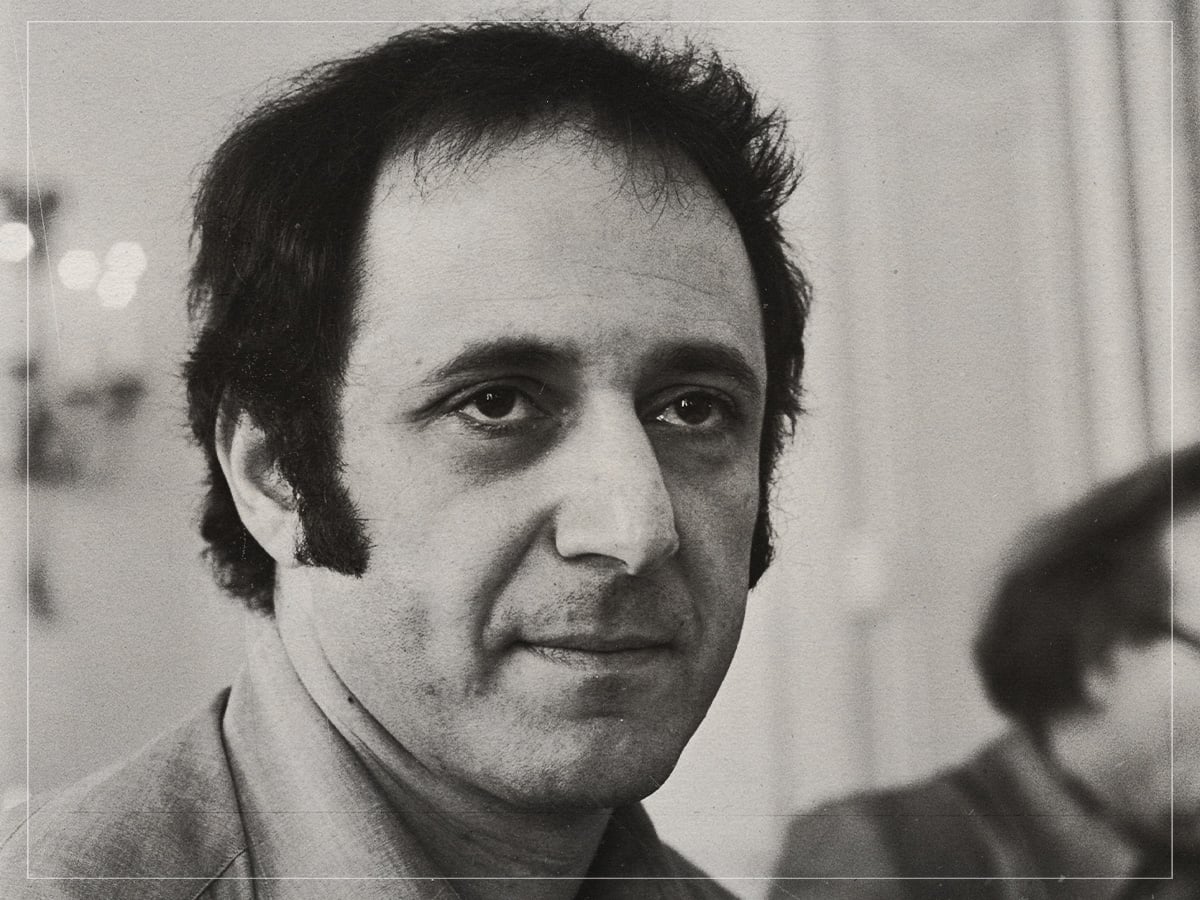
Perhaps one of the most celebrated modern composers of experimental music, Steve Reich has always approached music in a way that deliberately challenges the listener, and it shouldn’t come as a shock when it turns out that not everyone has the patience for it.
Four Organs is one of the biggest endurance tests in his oeuvre; a single 11th chord gradually augments itself over the course of 16 minutes with the help of the four organists adding notes at different intervals, with the only real constant being the unbroken maraca providing a rhythm in 11/8.
The composition’s debut at New York’s Guggenheim Museum in 1970 went down well, but perhaps the audience there knew exactly what they were in for and had enough of an open mind to be able to appreciate it. The same unfortunately can’t be said of its 1973 performance at Carnegie Hall, where arguments between impatient members of the audience quickly descended into riots, a chorus of boos (presumably not in the same key) erupted around the concert hall, and one audience member reportedly repeatedly started banging her head against the stage, pleading for the performance to stop. As far as poor reception goes, this is perhaps up there with the most hostile.
The Jesus and Mary Chain
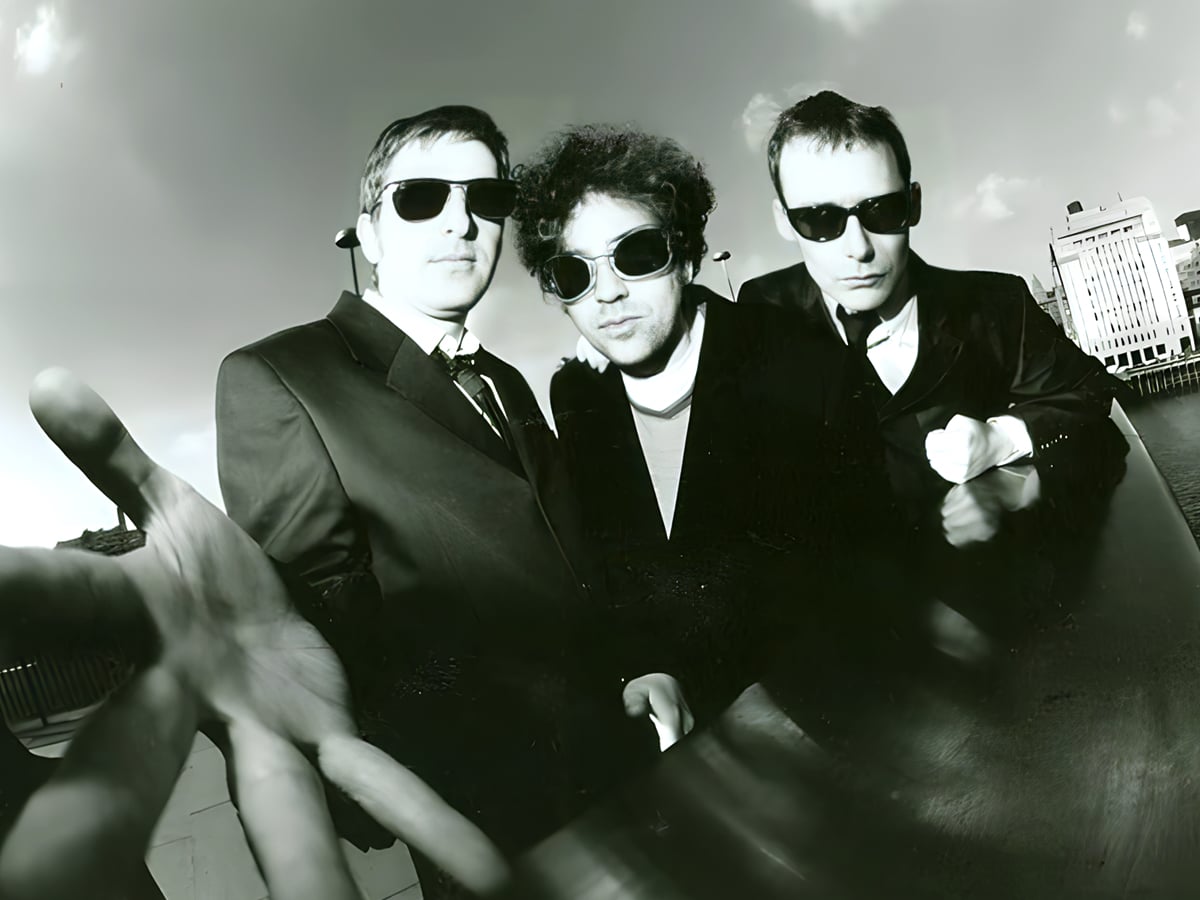
While Reich may have tested the patience of his audience with one performance, Scottish shoegaze forefathers The Jesus and Mary Chain seemed to do it routinely at the start of their career. It was their choice to make their performances incredibly brief, awash with droning feedback, and frequently playing with their backs to the crowds, but they were certainly a strange, if not captivating, spectacle to behold during this early period of their career in the mid-1980s.
Unfortunately, their chaotic approach reached a point where their reputation preceded them, and after a riot broke out at one of their first London shows at the Three Johns in 1984, violence suddenly became a staple of the band’s shows. Similar outbreaks took place at subsequent shows in the UK capital in 1985 at the north London Polytechnic and Electric Ballroom, with attendees often coming along with the intent of causing damage either to the venue or the band themselves. It eventually became all too much for frontman Jim Reid, who decided that they probably ought to tone things down if they were to keep making it out of their shows unscathed.

Never Miss A Tale
The Far Out Bob Dylan Newsletter
All the latest stories about Bob Dylan from the independent voice of culture.
Straight to your inbox.