


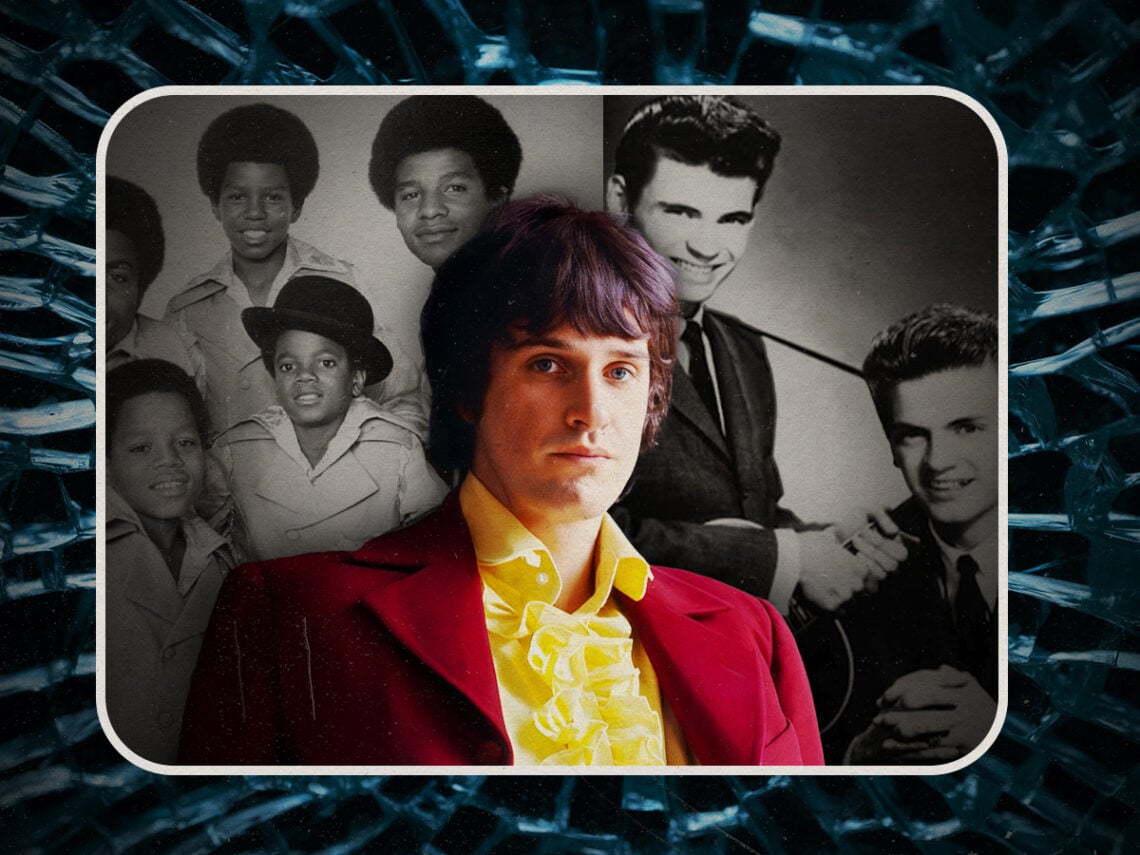
Five family bands that ended in a blood feuds

It’s rarely been discussed in the British music press over the past 30 years, but brothers Noel and Liam Gallagher of Oasis don’t get along with each other very well.
Despite growing up under the same roof with a shared passion for certain chord progressions and haircuts, they consistently annoy the shit out of each other, which I guess explains why they didn’t play a gig together for 15 years. Who knew? During Oasis’s original run from the mid-1990s to the early 2000s, the argument was occasionally made that the Gallagher brothers were strategically leaning into their blood feud as a proven marketing ploy; that maybe they didn’t actually have all that much genuine hate in their hearts.
The fact was, if they released a new single, it might generate a few brief reviews in the music rags, but if they promoted that single by also airing their dirty laundry in a heavily quotable, piss-taking interview, that new single would be mentioned on the front cover of those magazines, and in newspaper headlines, and on the BBC, and in the earliest iterations of internet clickbait. Presumably, the fact that Liam and Noel effectively stopped talking to one another for a decade or so in the 2010s dispelled those sorts of conspiracy theories. Even if some of the insults they hurled at each other were produced for entertainment purposes, the sentiment was almost certainly coming from a real place, and quite a familiar one in music history, for that matter.
While the Gallaghers might win the trophy for the best soap operatic family feud in the annals of pop, their dynamic isn’t all that unique among siblings who found their ‘family bands’ thrust into the spotlight. In any family unit, a lot of subconscious energy is often expended, from early childhood, trying to carve out your place in the household, particularly if you’re growing up with older siblings. Transferring that dynamic out of the family home and onto a stage doesn’t exactly give everyone a fresh start, even if success and fame follow. If anything, it can exacerbate existing imbalances in the family band’s hierarchy, opening up old wounds that go back way further than your average band of ego-driven high school mates.
Some family bands found power in numbers, as revered groups like the country bluegrass legends of the Carter Family or the gospel-soul pioneers in The Staple Singers managed to transfer a pleasant kitchen table vibe into their performances. In the majority of cases, though, pop success winds up turning family members back into little kids, fighting over their toys and, if all else fails, smashing those toys and running off to mommy.
Five classic cases of family band blood feuds:
Proto Gallaghers: The Kinks and The Everlys
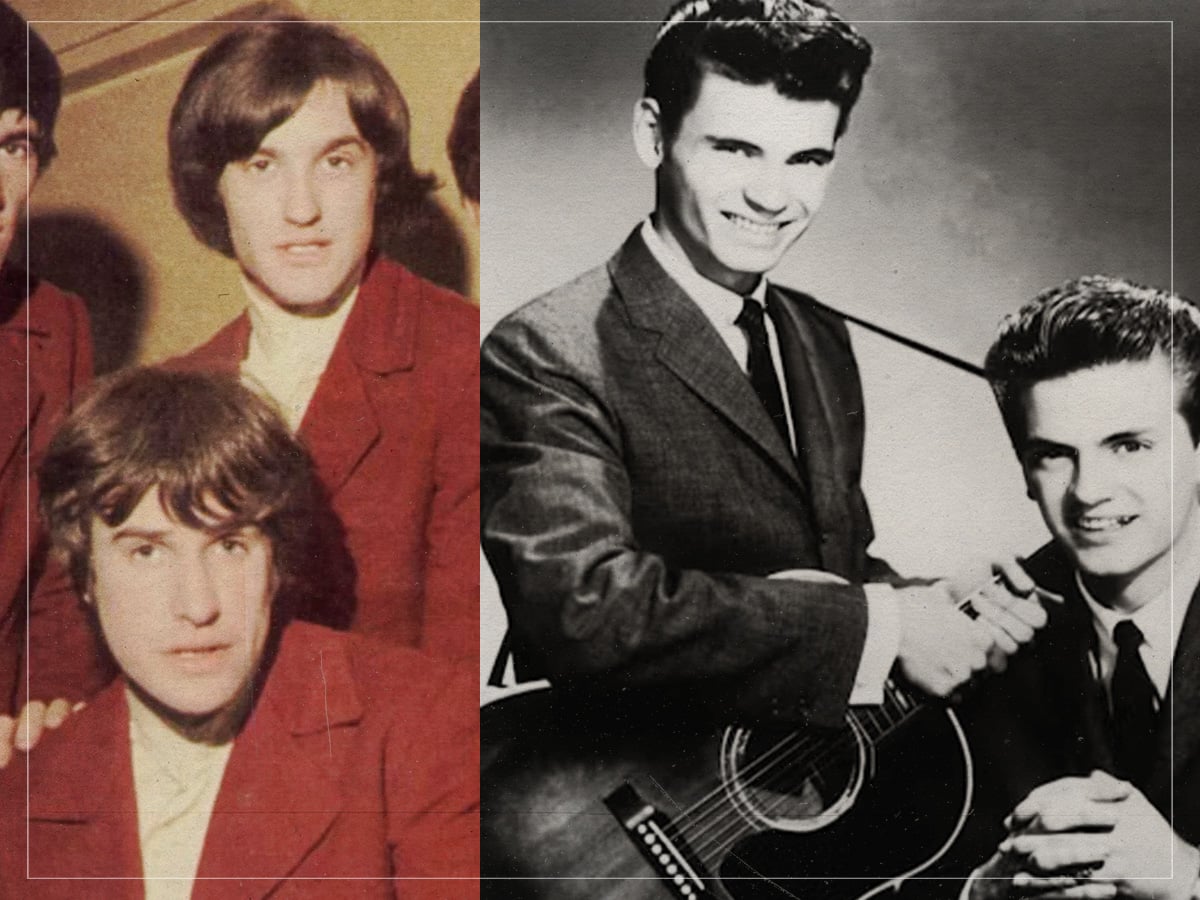
Some say Oasis were Beatles wannabes, or Stone Roses retreads, but their sibling rivalry chops were more reminiscent of the fabled Davies brothers, founders of one of the pillars of British rock, The Kinks, with the only slight twist that older brother Ray Davies, in this case, was the frontman and songwriter, while the younger Dave Davies handled the lead guitar.
Either way, the brothers still set the bar as the Cain and Abel of English rock, turning internal warfare into part of their band’s identity. Onstage fights, insults in interviews, and outright refusals to work together plagued the group from the height of their 1960s success well into their later work, leading to Oasis-style break-ups and reunions all the way into the ‘90s, when the brothers finally parted for good.
On the other side of the pond, meanwhile, were The Everly Brothers, a duo known for the angelic harmonies that had inspired The Beatles and countless other bands in the early ‘60s. There was decidedly less harmony within the relationship of Don and Phil Everly, unfortunately. Years of tension over money, creative control, and personal habits culminated in a now-legendary 1973 show where Phil smashed his guitar onstage and stormed off, leaving Don to finish the set alone. They didn’t speak for a decade afterwards, but got back together for that sweet reunion money in the ‘80s.
Acrimony in The Andrews Sisters?
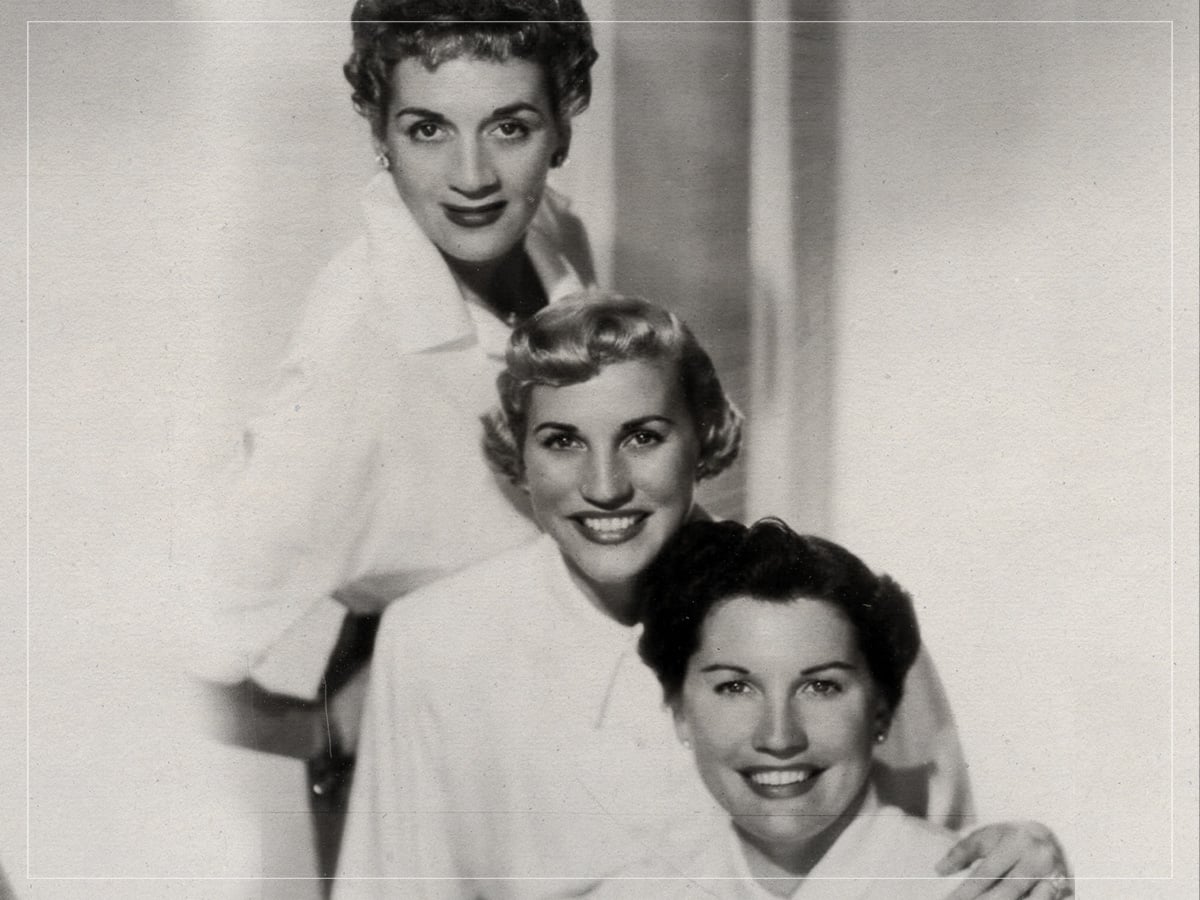
Real-life sisters LaVerne, Maxene, and Patty Andrews formed one of the defining, squeaky-clean vocal groups of the swing era, selling millions of records and entertaining troops during World War II, but things took an unexpected turn in 1951, when the youngest sister Patty decided she wanted to break out on her own and get out from her big sisters’ shadows. That might have been something LaVerne and Maxene would have understood, if not for the fact that Patty told the press of her plan before discussing it with them.
The rift was serious enough that the sisters remained on bad terms for several years, as LaVerne and Maxene tried to carry on as a duo while feuding with Patty not just over music, but over their late parents’ estate, as Patty filed a lawsuit against them for a larger piece of the inheritance. This was not the sort of feel-good boogie-woogie their fans had bargained for, and eventually, the sisters were compelled to reconcile.
‘Til The Cowsills Come Home
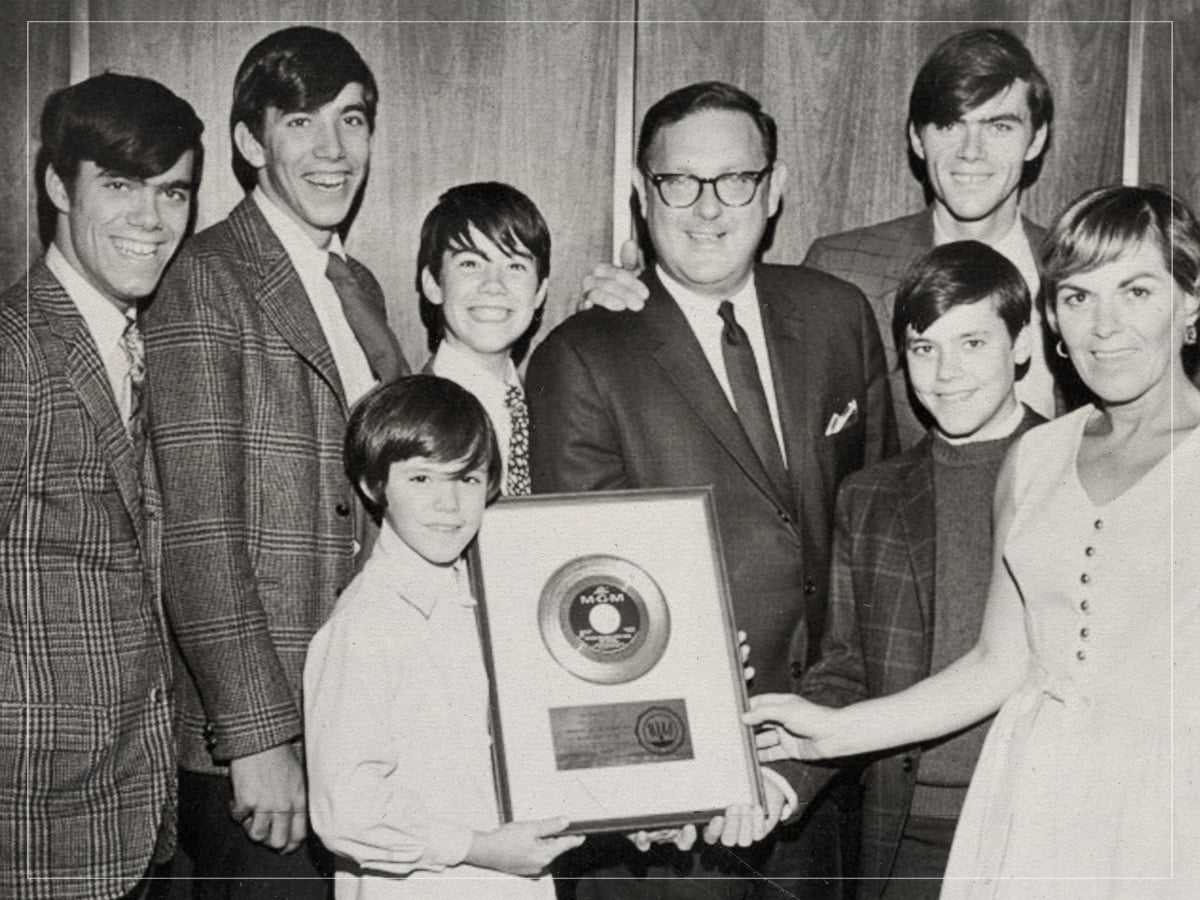
The Cowsills were famously the real-life blueprint for The Partridge Family, a wholesome, hit-making family band with multiple siblings and a strong parental presence, but unlike their fictional counterparts, their story was less ‘Together is Better’ and more ‘Breaking Up is Hard to Do’.
Managed by their father, Bud Cowsill, the group operated under strict and often abusive control, with both physical and emotional mistreatment shaping their upbringing and careers. Bud was even arrested for assault in 1970 after attacking his eldest son and lead singer, Bill, during a backstage argument at one of the group’s shows in Las Vegas.
As the band’s popularity faded in the early 1970s, so too did any illusion of unity. Several members later spoke openly about the trauma they experienced, and relationships within the family were deeply strained for decades. While some reconciliation occurred later in life, and various reunions of the siblings helped change those old dynamics, the scars remained.
Jealousy and the Jackson Five
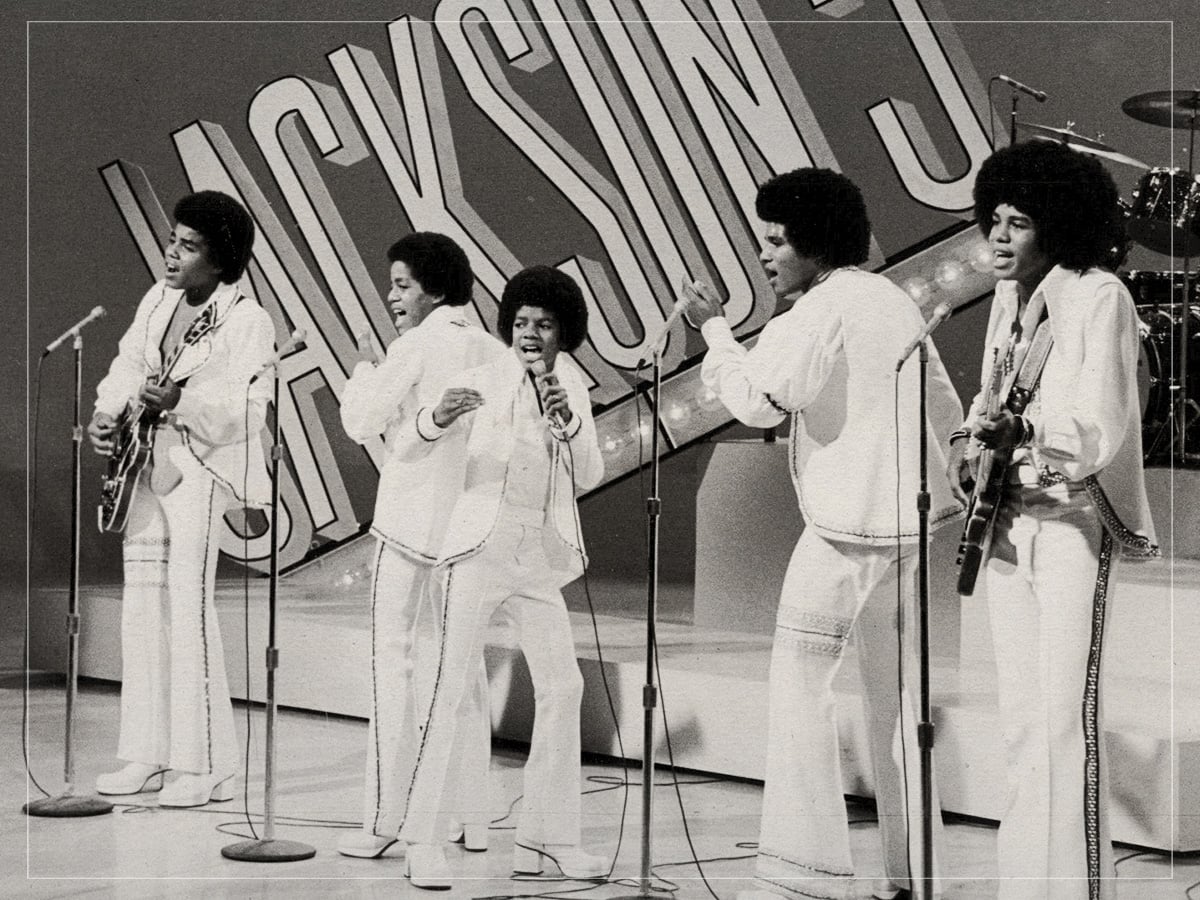
The Bud Cowsill of Gary, Indiana, was Joe Jackson, another brutal taskmaster patriarch who built a successful family band with little regard for the potential consequences on his kids. The Jackson Five were, of course, one of the most commercially successful family acts of all time, launching the career of Michael Jackson and turning the Jackson name into a global brand, but their father-manager’s strict discipline and alleged abuse set the tone for years of damaged egos and bad blood.
As Michael’s solo career exploded in the late 1970s and ’80s, tensions within the family intensified, as The Gloved One now seemed to exist in his own separate reality, while his brothers struggled in their own careers. It got particularly cringey in 1991, when Jermaine Jackson recorded ‘Word to the Badd!!’, a diss track aimed at his superstar brother, including references to the latter’s plastic surgery: “Reconstructed / Been abducted / Don’t know who you are / Think they love you / They don’t know you / Lonely superstar”.
Beach Boys beefs
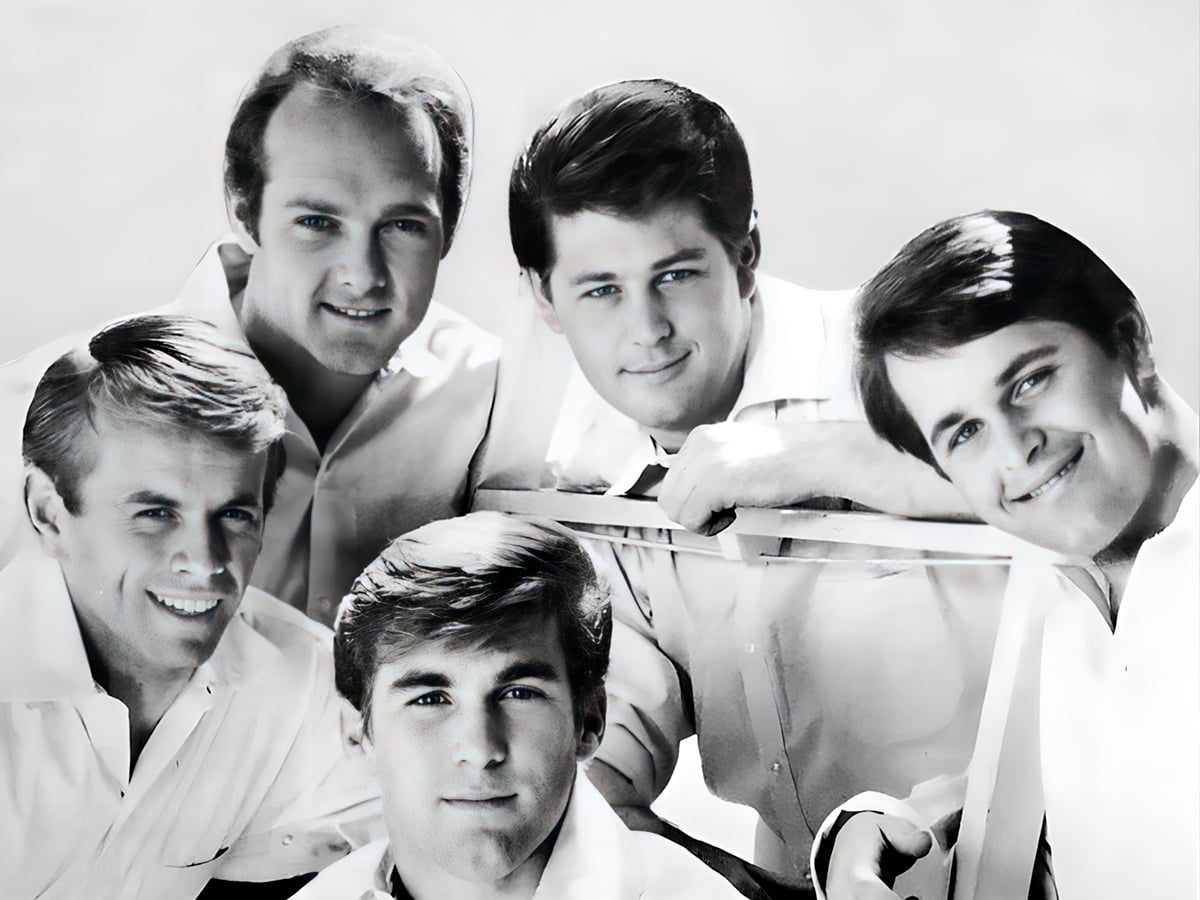
At their peak, The Beach Boys embodied the easy-going attitude of the Southern California surf life, despite having no surfing skills themselves, but internally, the Wilson family dynamic was anything but serene, thanks in large part to yet another toxic father figure in the form of Murry Wilson. His sons Brian Wilson, Dennis Wilson, and Carl Wilson, along with cousin Mike Love, managed to expel Murry as their manager by way of a band mutiny in 1964, but a fresh minefield of creative tension, drug problems, and business disputes awaited them in the years that followed.
Brian’s increasing withdrawal due to mental health issues and substance abuse shifted the band’s balance of power, leading to conflicts over musical direction, particularly between Brian’s experimental ambitions and Mike Love’s preference for poppier, commercial material. Dennis’ erratic behaviour and eventual tragic death added further strain, along with legal battles over songwriting credits and touring rights that persisted for decades, with many fans seeing Love as the greedy profiteer of the band, only interested in their marketability and largely bored by their best ventures into real art. “For those who believe that Brian walks on water,” Love once told Vanity Fair, “I will always be the Antichrist”.
Love had much kinder things to say about Brian Wilson after the latter’s death in 2025, and maybe the same will be true of the Gallagher brothers when one of them is laid to rest on some distant day; one final verbal insult, though, would feel just as fitting.
