


Five Easy Masterpieces: An introduction to American primitivism

While many people pick up the guitar as their first instrument, expecting the task of learning a few chords or classic rock lead breaks to be a doddle, it has to be said that these expectations undermine the real capacity that the instrument has to offer.
You don’t need me to explain to you that guitar playing doesn’t have to always revolve around a commitment to hard riffing, nor does it have to evoke the idea of sitting around the campfire as one gently fingerpicks some lilting arpeggios while telling folk stories. Guitar playing can be a delicate, minimalistic craft, and equally, it can be a virtuosic display of raw and emotive expression – those who are able to understand that pushing the boundaries with the instrument will often produce the most spellbinding results.
One such form that routinely falls into both camps, displaying both a delicate touch and also the tendency to devolve into hypnotic explosions of sublime technique, is the style known as American primitivism, a form that has existed since the 1950s. Developed by John Fahey and subsequently adopted by a select handful of gifted players, the practice is heavily informed by country, blues and folk, but also incorporates elements of classical music from around the world, allowing it to combine some of the oldest features from the Western sphere while adding in elements such as drones that are more synonymous with Indian traditions.
As American primitivism has evolved over the years, players have often seen fit to introduce other instrumentation to the form rather than simply relying on fingerpicked strings as the sole producers of sound, with the likes of Hayden Pedigo, William Tyler and Jack Rose being 21st-century examples of those who have brought an added ambience to the style. However, many have stuck to the roots of the style, keeping its avant-garde blend of intricate solo performance and unique approach to melodicism through a single instrument.
Beginning with one more contemporary example of the traditional American primitive guitar style and working our way backwards towards its roots, here are five masterpieces that will get you hooked on the complex yet gorgeous world of the genre, and that will ultimately help to expand your view of what it’s possible to create on a fretboard.
Five masterpiece albums to get you into American primitivism:
Gwenifer Raymond – ‘Last Night I Heard the Dog Star Bark’ (2025)
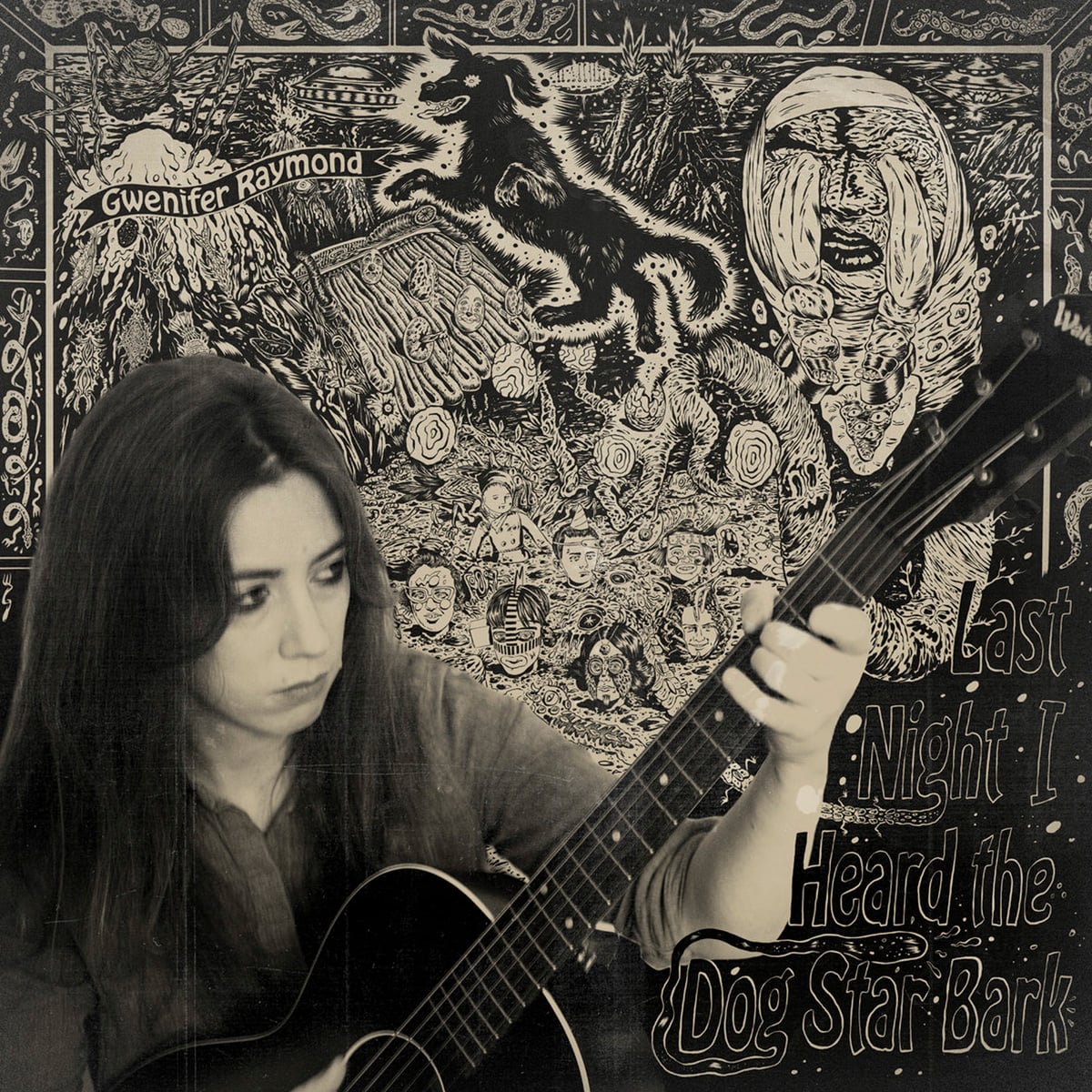
Despite being a modern example, and indeed hailing from Wales rather than America, Gwenifer Raymond is perhaps the most faithful player of the American primitive style in the contemporary sphere, bringing forward elements of the style that have been present since its nascent years and performing them through a 21st-century lens. While some of her early works are exemplary in terms of her performance, her composition reaches an entirely new level on her latest album.
There’s an extreme rawness and aggression to her style, and the rapid-fire way she contorts her fingers while maintaining a constant droning rhythm in the bass part is a joy to behold. It must be said, not many people can seem so intrinsically connected to their instrument in the way that Raymond does, and the compositions on Last Night I Heard the Dog Star Bark are frankly some of the best the genre has ever produced.
Robbie Basho – ‘Visions of the Country’ (1978)
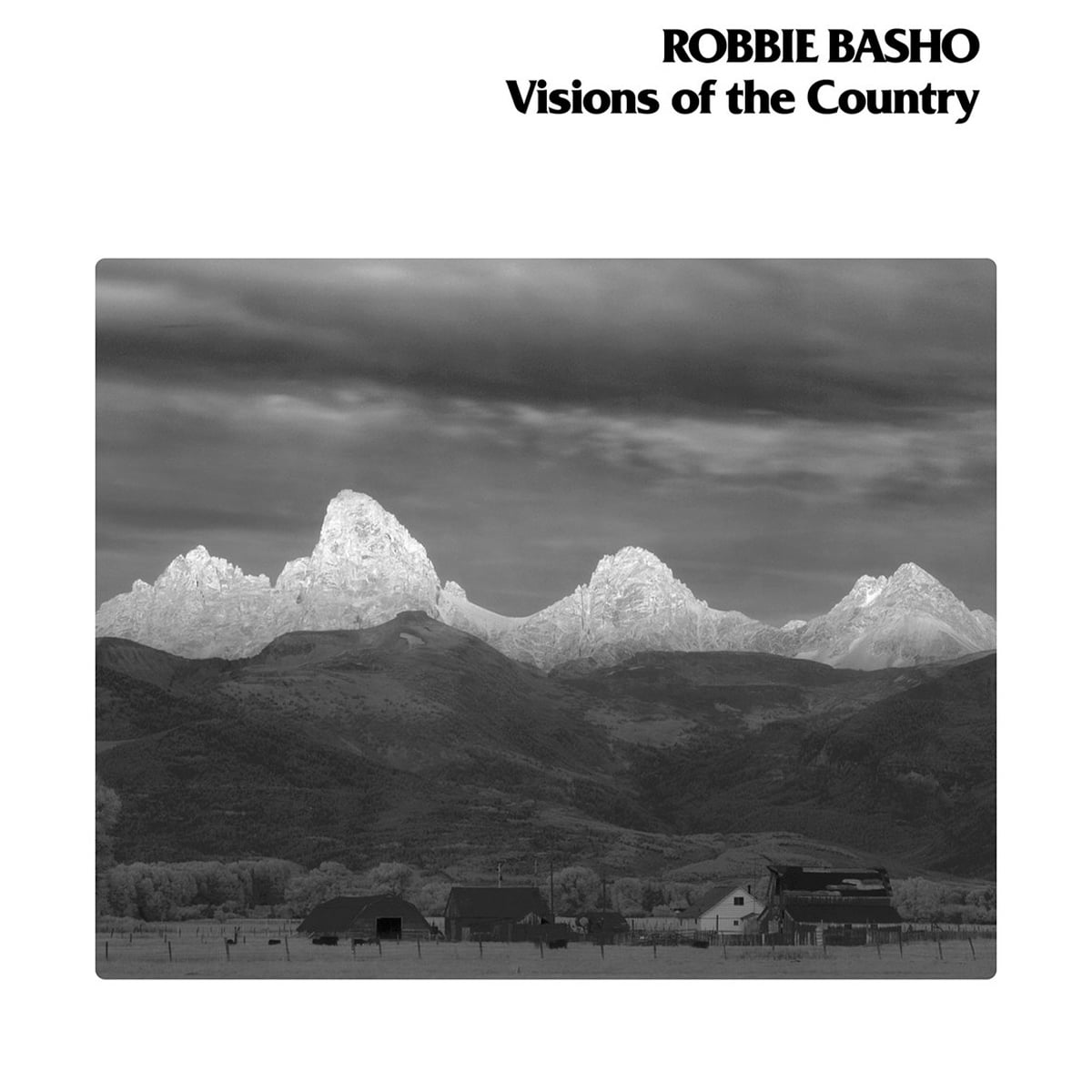
One thing about American primitive music that has always been a recurring feature is its innate relationship to the natural world, and how that environment can be both a soothing yet cruel place to find yourself due to its unpredictability. What Robbie Basho manages to do on his opus, Visions of the Country, is evoke all of the various moods of nature, constructing a panorama of the world around him through stark compositions that fluctuate between moods.
The only example on this list to also feature vocals, which is a dramatic and vibrato-filled delight as it soars over the top of the picturesque landscapes that he conjures up, this late ‘70s masterwork is a stunning collection of songs that will undoubtedly exacerbate your spiritual connection to the world around you and simply make you feel blessed to be alive.
Peter Lang – ‘The Thing at the Nursery Room Window’ (1973)
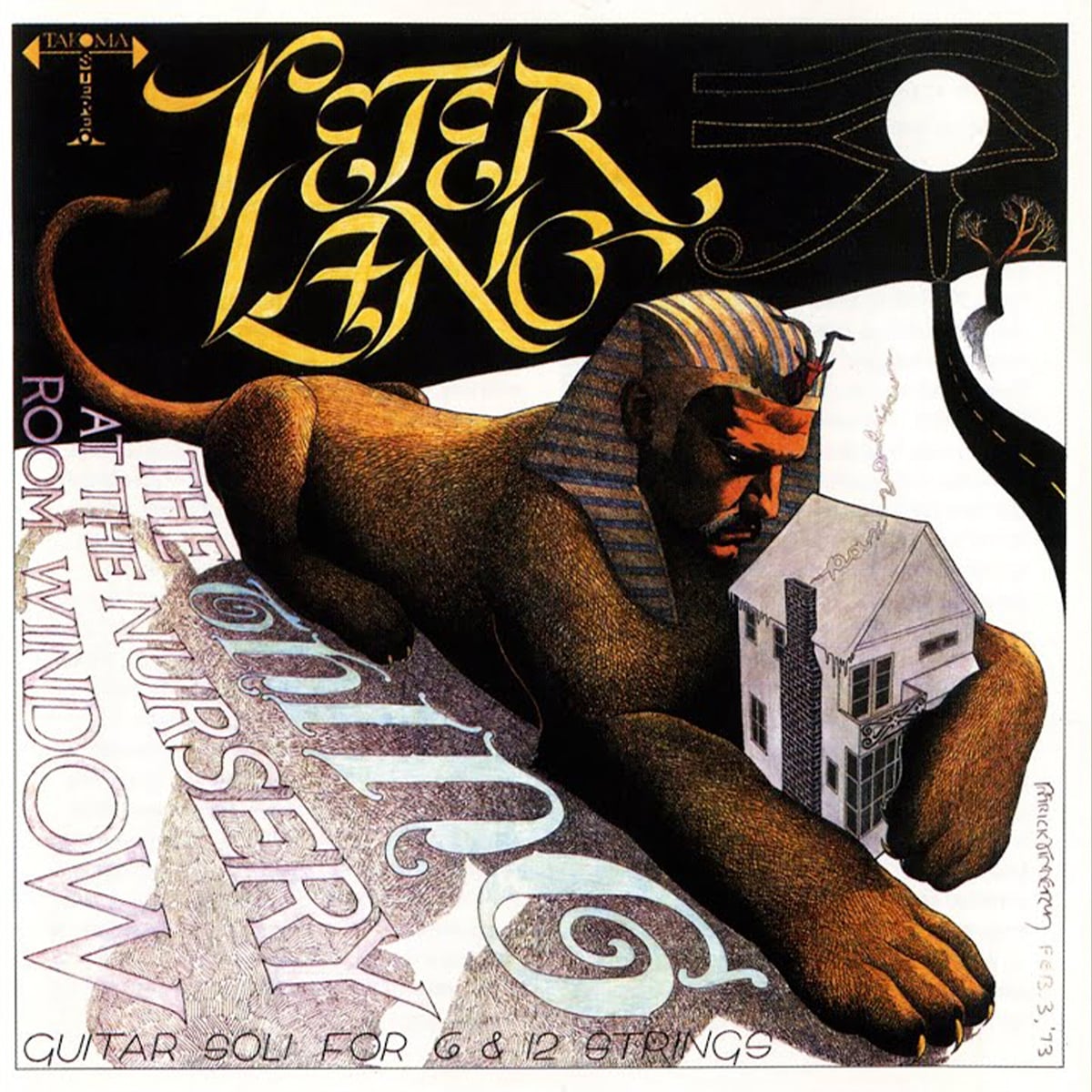
Perhaps the most overtly bluegrass and country-influenced record on the list, Peter Lang’s debut album, The Thing at the Nursery Room Window, is a vibrant celebration of all of the elements that inspired the movement in the first place, packed into a handful of concise compositions. There’s so much joy in the way he approaches the instrument, and he’s clearly having a blast as his imaginative approach to creation runs wild, with this being apparent from the opening moments on ‘Snow Toad’, a galloping rag that barely scrapes a minute in length.
The brevity of these songs is perhaps one of the most unusual aspects of the album, with many others in the genre choosing to play with form in ways that see their work evolve over drawn-out passages of droning improvisation. Lang instead gets right to the point and delivers his take on the form in a succinct manner, and the crispness and clarity of his picking is of a level that most could only dream of being able to replicate.
Leo Kottke – ‘6 and 12 String Guitar’ (1969)
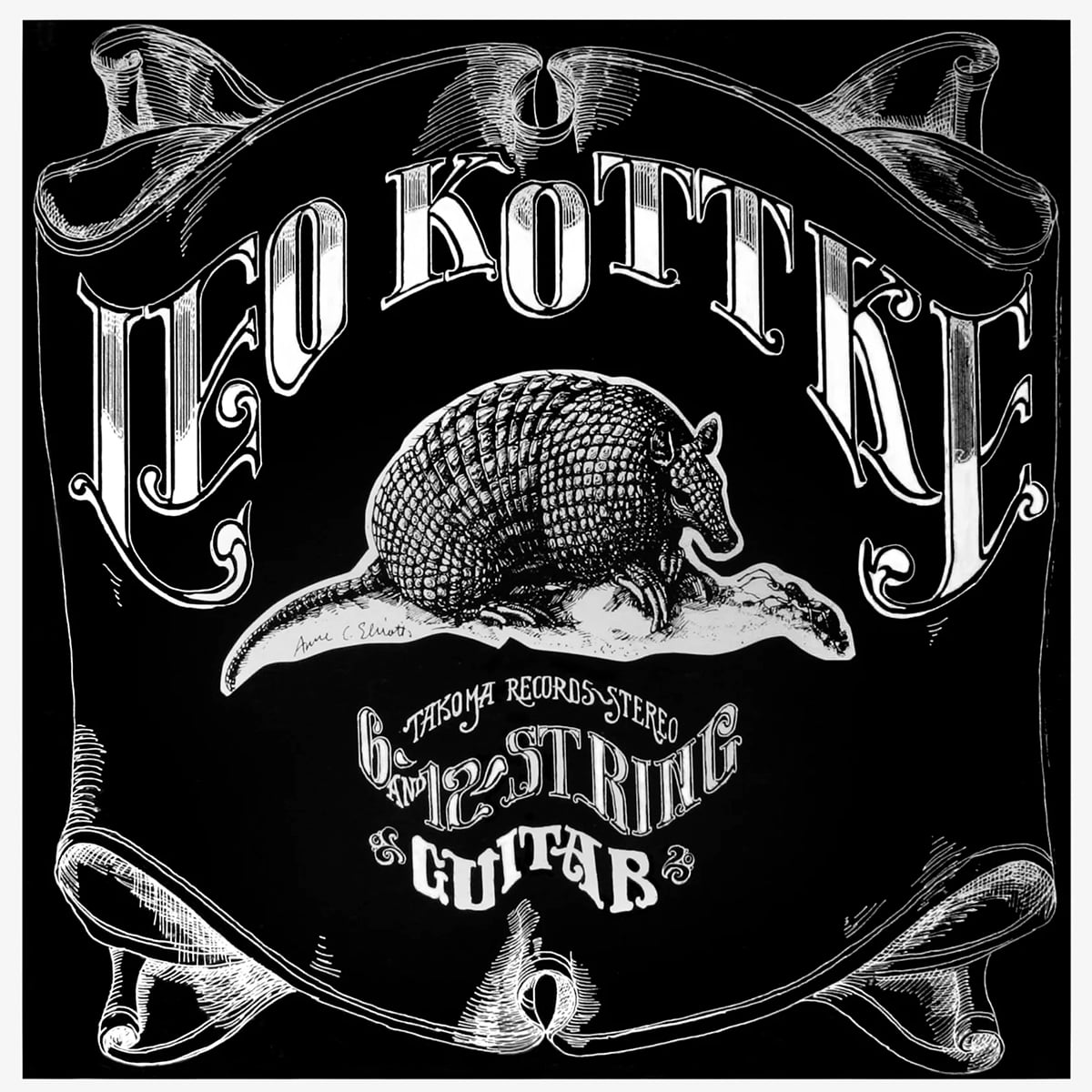
Once described by Eagles’ Joe Walsh as “untouchable”, Leo Kottke’s maverick approach to guitar is about as technical and knotty as the genre gets, with him not only employing a frenetic fingerpicking style that seems to stumble through passages of melody, but also bringing the use of slides into play, giving a countrified edge to his efforts.
6 and 12 String Guitar is a masterpiece because of all the tonic variation that Kottke manages to introduce into his work, with the difference between the number of strings used on different songs and the bottleneck slides adding so much character to what Kottke conjures up. The way it jumps around may be disorienting for newcomers to the genre, but once you’re comfortable facing the more challenging aspects of hearing guitar being played in such a loose and freeform style, you won’t be able to do anything but marvel at Kottke’s superlative ability.
John Fahey – ‘Volume 6: Days Have Gone By’ (1967)
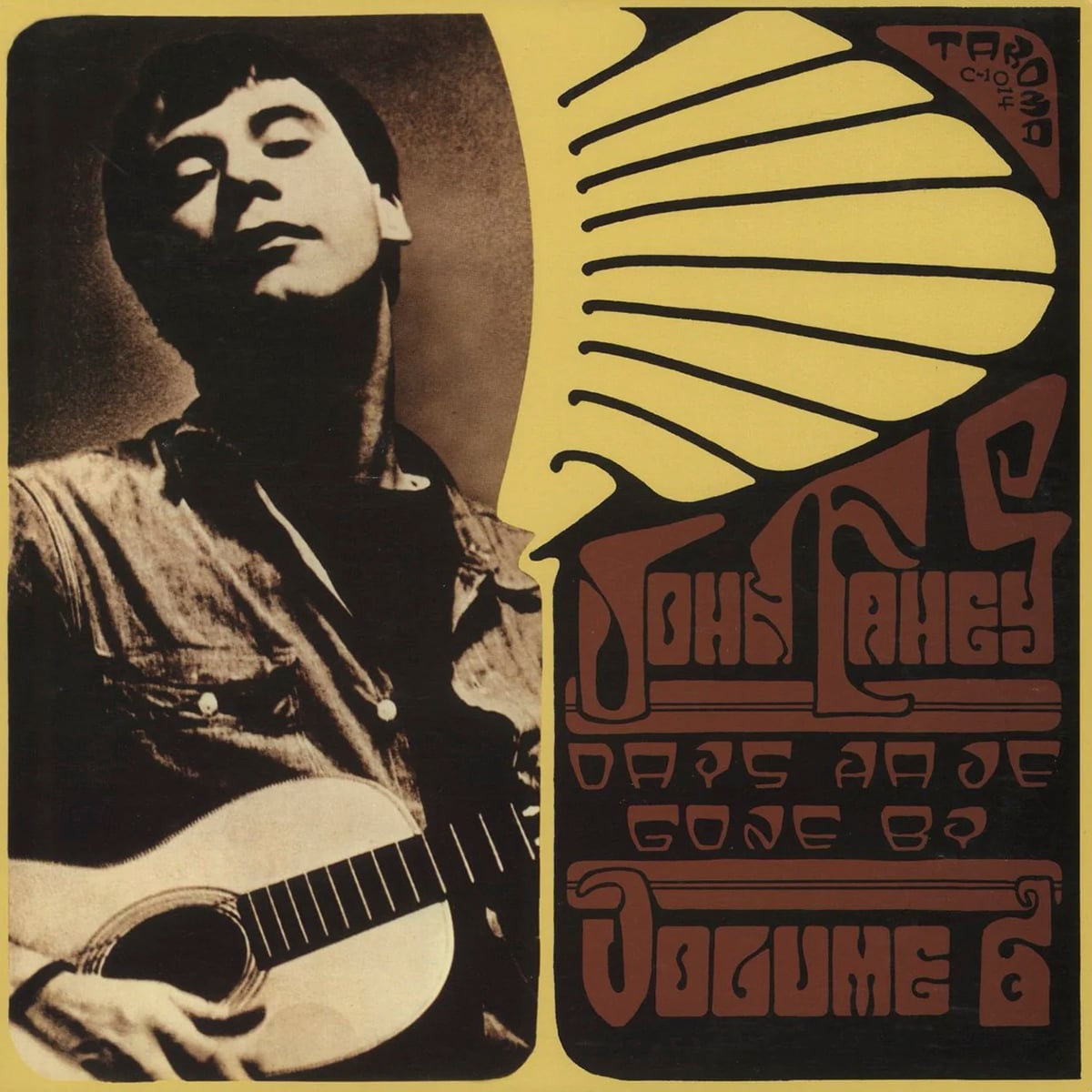
The originator and the master, American primitivism wouldn’t be where it is today without the exploits of John Fahey. His works date back as far as the 1950s, when he began creating pieces inspired by 20th-century classical composers like Charles Ives and Béla Bartók, and applying these forward-thinking elements to what he had learned through the blues and Appalachian folk music. His own style may not be as complex as some of the players who came after him, but nobody has really exhibited a feel like Fahey before or after.
It’s as much in the way he crafted his compositions as it is the technical skill involved that makes him one of the most important guitarists to have ever lived, and a true innovator whose influence is still felt to this day. While some of his later and more spiritually guided works may appeal more to those looking for something more challenging or cerebral, the straightforwardness of Fahey’s style on Days Have Gone By really hammers home all of the things that he excels at.
